

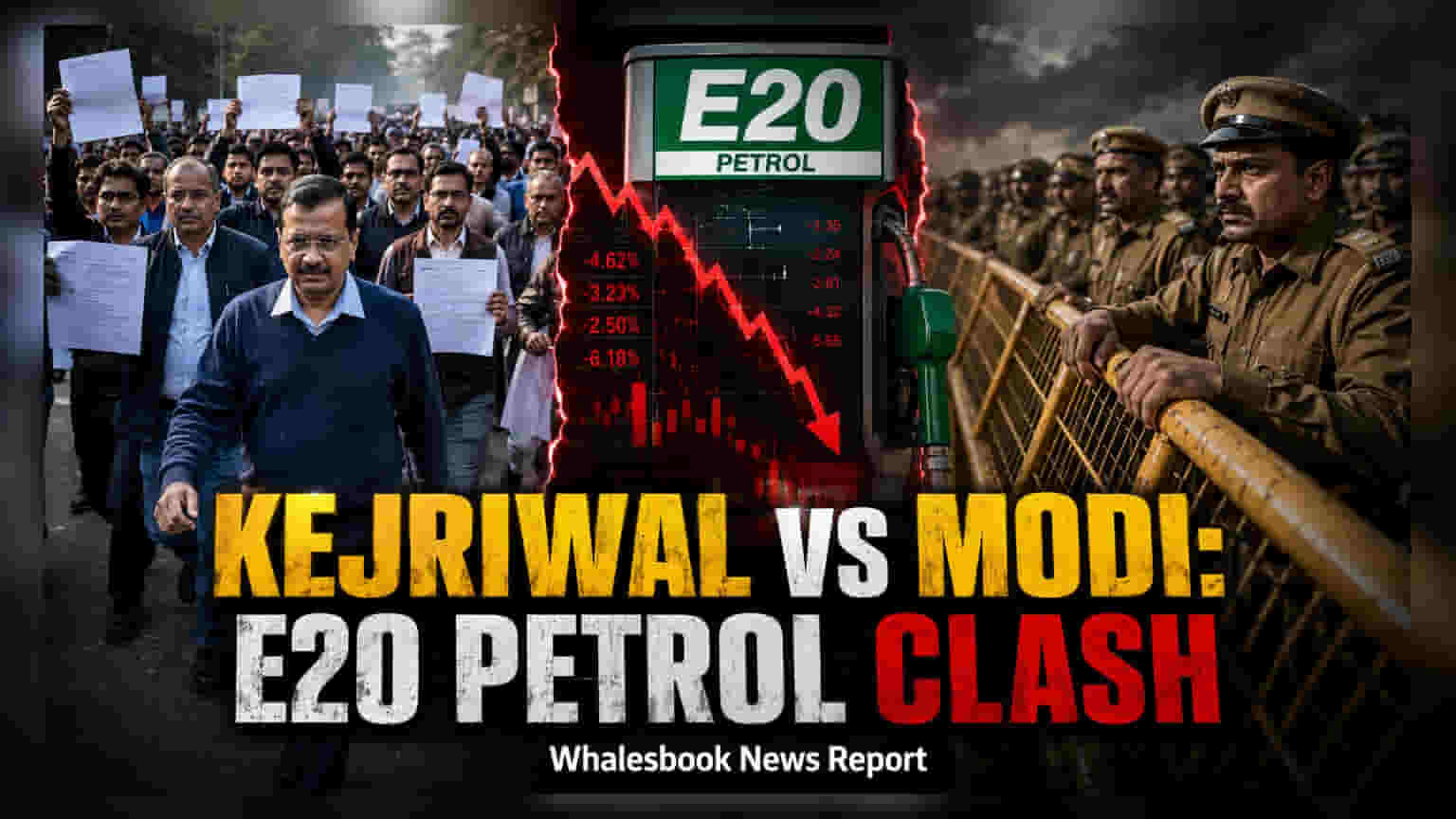
Delhi Police have denied permission for AAP’s march to the Prime Minister’s residence regarding E20 petrol policies. While primarily a political event, the ongoing campaign raises questions about potential shifts in India's ethanol-blended fuel roadmap, which is a significant part of the government's energy strategy.
Aam Aadmi Party (AAP) chief Arvind Kejriwal has announced plans to lead a march to the Prime Minister’s official residence on August 4. The protest is intended to deliver petitions against the government's E20 petrol policy, which mandates the blending of 20% ethanol into gasoline. However, the Delhi Police have officially denied permission for this procession, citing security concerns and a lack of authorization for the demonstration.
Impact on India's Ethanol Roadmap
This protest highlights a persistent point of friction regarding the government’s energy policy. The E20 petrol mandate is a core pillar of India's strategy to reduce crude oil imports and lower carbon emissions. By blending ethanol—mostly derived from sugarcane—with petrol, the government aims to support domestic agriculture and improve the national trade balance. Critics, including the AAP leadership, have expressed concerns regarding potential effects on vehicle performance, engine maintenance costs for consumers, and the overall pace of the implementation. Investors in the sugar and distillery sectors, which have benefited significantly from the government's push to increase ethanol production capacity, should be aware that political opposition can occasionally lead to shifts in public sentiment or regulatory scrutiny.
Sector Context for Sugar and Distillery Stocks
Companies in the sugar and distillery sector have invested heavily in expanding their ethanol production units over the last several years to meet the government's blending targets. While the E20 policy has provided a reliable revenue stream and helped companies manage surplus sugar stocks, the financial success of these firms remains tied to government-set ethanol prices and the continued scale-up of the blending program. Any significant political or regulatory pushback that leads to a pause or slowdown in the E20 rollout could impact the expected return on the capital spent on these new distillery projects.
Monitoring Regulatory and Policy Updates
For investors, the key monitorable is not the protest itself, but whether such campaigns influence the government's long-term energy policy or pricing mechanism for ethanol. To date, the central government has remained committed to its ethanol-blending targets, viewing them as essential for energy security. Investors may track future communications from the Ministry of Petroleum and Natural Gas and any formal updates on blending milestones to assess if there are any material changes to the current roadmap. While this event reflects heightened political activity, official policy documents and parliamentary discussions remain the most reliable sources for tracking the future of the ethanol mandate.