

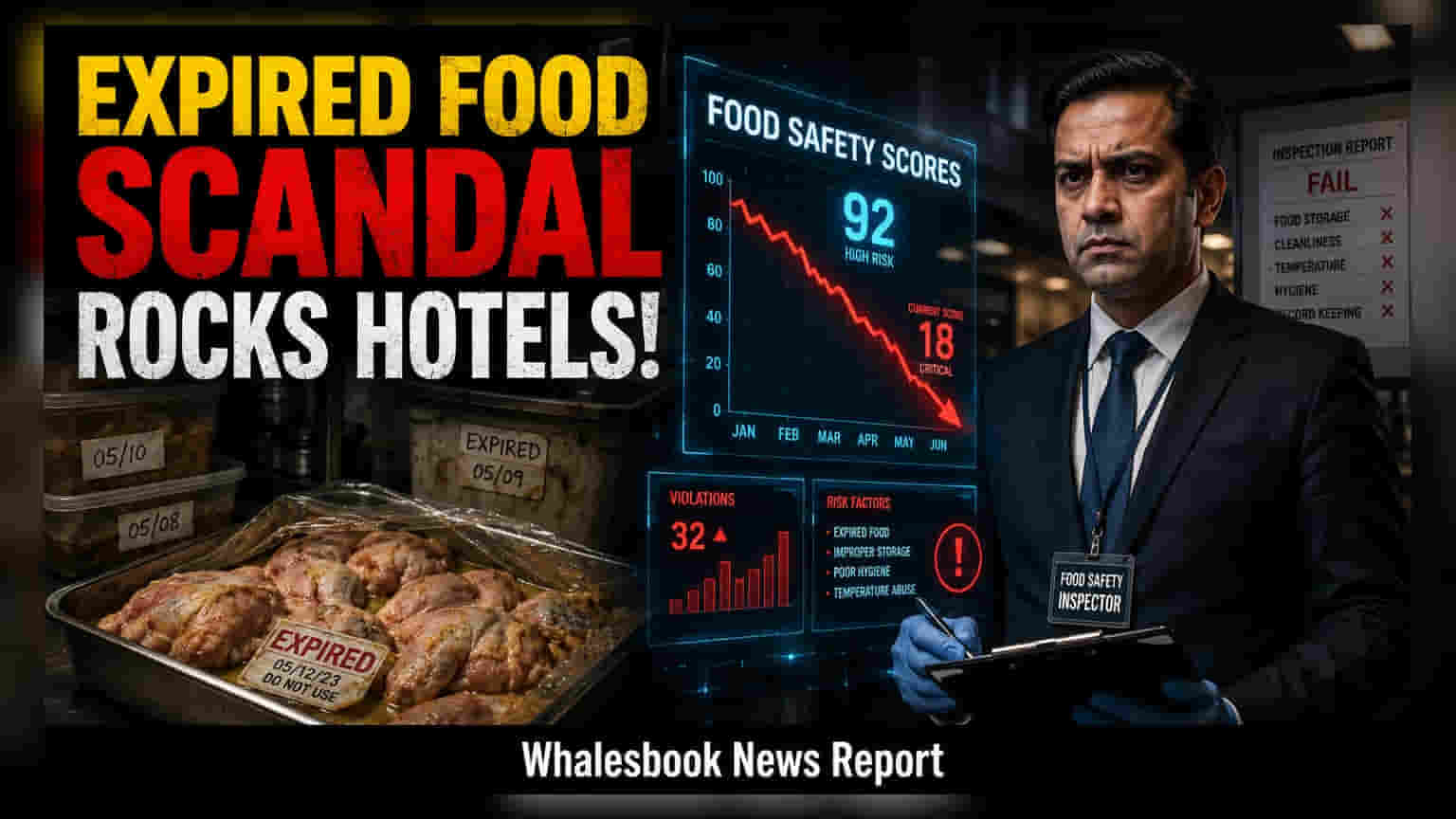
Karnataka food safety authorities are intensifying a statewide crackdown, seizing expired meat and produce from various hotels and eateries in Mysuru, Mangaluru, and Bengaluru. This enforcement drive highlights strict compliance requirements under the Food Safety and Standards Act. For food and hospitality operators, the ongoing inspections pose risks related to brand reputation, potential closures, and the necessity for enhanced hygiene and supply chain management.
Karnataka's food safety department has expanded its statewide enforcement drive, conducting surprise inspections that have led to the seizure of over 1,000 kg of expired and unsafe food products. The operation, aimed at ensuring compliance with the Food Safety and Standards Act, 2006, has reached multiple districts, including Bengaluru, Mysuru, and Mangaluru, affecting a wide range of establishments from luxury hotels to quick-service outlets.
In recent operations in Mysuru, authorities inspected several high-profile properties, including the Rio Meridian Hotel and the Grand Mercure Hotel, where inspectors reported the discovery of expired chicken, meat, and other perishable items. A Q Star Hotel branch in the region was also cited during the checks. In a separate development in Mangaluru, a KFC outlet located in City Centre was inspected following a consumer complaint regarding the quality of food. These actions demonstrate a clear shift toward stricter oversight of food storage, kitchen hygiene, and inventory management practices across the hospitality sector.
Business and Operational Risks
For companies operating in the food and beverage space, these regulatory actions carry significant weight. While the immediate impact involves the confiscation of goods and the issuance of show-cause notices, the broader business risk lies in the potential for reputational damage. Customers increasingly prioritize hygiene and food safety when choosing where to eat or stay, and public reports of violations can affect footfall and brand trust.
Beyond brand perception, there are tangible operational risks. When kitchens are flagged for non-compliance, they face the possibility of temporary closures, suspension of food licenses, and the requirement to undergo costly compliance audits. Maintaining standardized food quality and storage protocols across multiple locations is a challenging aspect of scaling restaurant and hotel businesses. The current crackdown serves as a reminder that regulatory pressure is rising, and operators are now under increased scrutiny to ensure that their supply chain and cold storage processes meet health standards without fail.
Regulatory Context and Investor Monitorables
The enforcement drive covers a broad spectrum of entities, ranging from five-star hotels to government-run canteens and quick-commerce storage facilities. This suggests that the government's focus is on systemic compliance rather than targeting specific brands. For investors and stakeholders, the next important update will be how these establishments respond to the findings. Companies that can demonstrate quick remediation, such as upgrading kitchen infrastructure or improving staff training on food safety, may mitigate the risks associated with these inspections. Investors may monitor future disclosures from operators regarding any material impact on their business licenses or sustained closures resulting from these ongoing hygiene audits.