

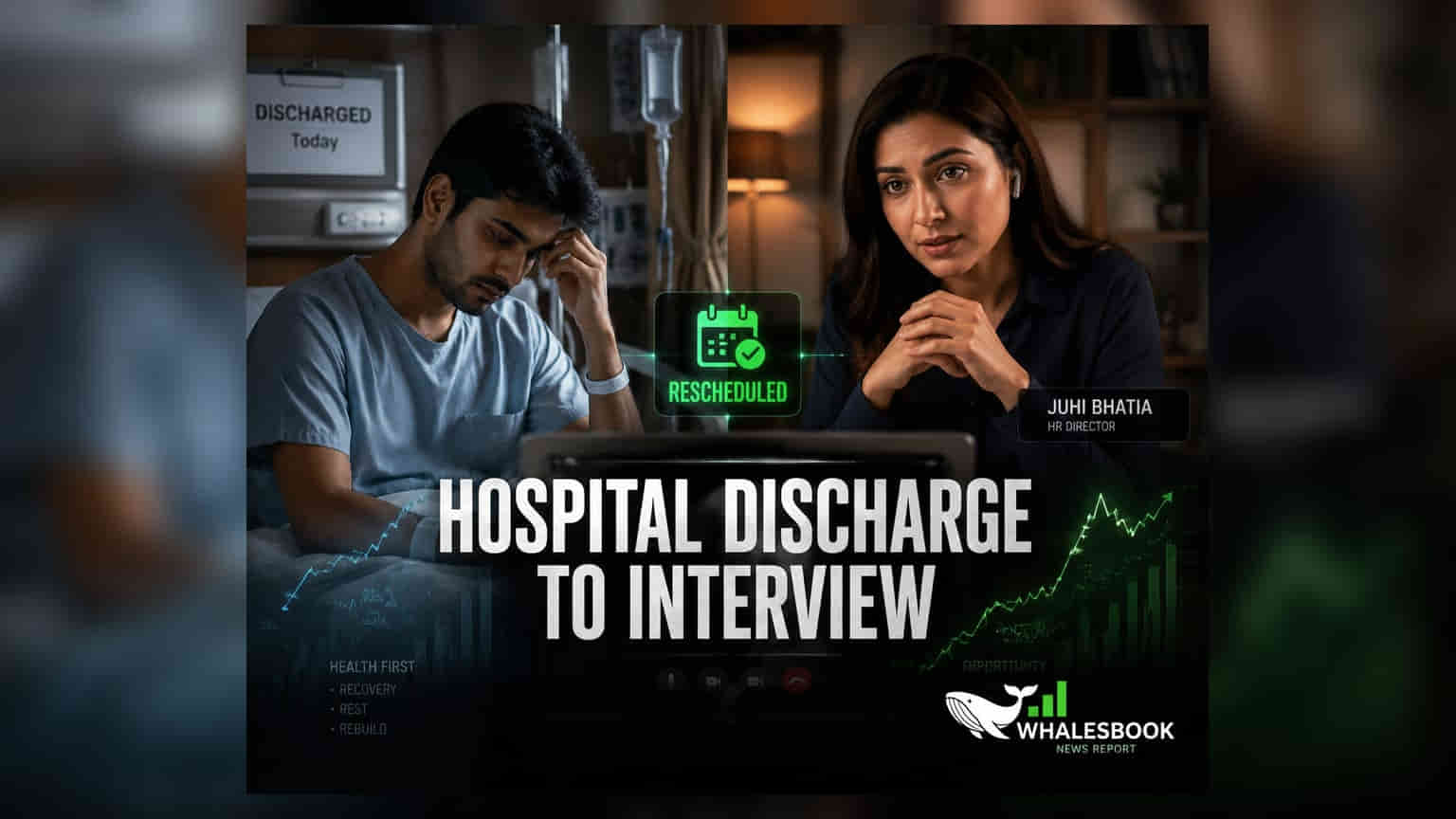
A candidate recently attended an interview immediately after hospital discharge, fearing that a request to reschedule would lead to rejection. This incident highlights the intense pressure job seekers currently face in a competitive labor market. The situation has prompted recruiters to advocate for more human-centric and empathetic hiring practices to ensure talent is not lost to fear-driven decisions.
What Happened
A job candidate recently attended a professional interview immediately after being discharged from the hospital. The individual, fearing that asking for a delay would negatively affect their chances of securing the position, chose to prioritize the interview over necessary recovery. The recruiter, Juhi Bhatia, noticed the candidate’s low energy and, upon learning about the recent hospital visit, immediately halted the process. The interview was officially rescheduled, and the candidate was assured that their health-related request would not be held against them during the evaluation process.
Why This Matters for the Labor Market
This event highlights a growing concern regarding the intensity of the current job market. Many job seekers are under significant financial and professional pressure, leading them to believe that even a minor request—such as needing to reschedule due to illness—could be interpreted as a lack of dedication or result in an automatic rejection. When candidates feel they cannot be honest about their personal health, it creates a misalignment between employers and prospective talent, potentially leading companies to overlook qualified individuals who are simply facing temporary personal challenges.
The Impact of Automated Hiring Systems
Beyond personal anxieties, modern hiring practices are increasingly influenced by automated systems and keyword-driven filters. These tools, while efficient for processing high volumes of applications, often lack the capability to handle human nuance. Critics in the recruitment sector argue that such systems can depersonalize the process, making it difficult for candidates to communicate life circumstances. When automated systems prioritize rigid timelines over candidate well-being, the risk of losing valuable talent increases, as candidates may choose to push through illness rather than engage with a process they perceive as inflexible.
Promoting Empathetic Recruitment
The incident has sparked a discussion among professionals about the need for more humane hiring frameworks. Empathetic recruitment involves recognizing that candidates are individuals who may face unforeseen emergencies. Companies that cultivate a reputation for being understanding and flexible may find it easier to attract and retain top-tier talent in a competitive environment. By fostering a culture that encourages open communication, recruiters can ensure that they are evaluating skills and potential rather than a candidate's ability to navigate high-pressure, inflexible systems.
What Professionals Should Track
For job seekers and HR professionals, the key monitorable remains the evolution of hiring policies. Investors and business observers may track whether companies are adopting more flexible, human-centric interview protocols as part of their talent management strategy. The shift toward more compassionate hiring could serve as a indicator of a company’s overall organizational culture and its long-term approach to human capital management.