

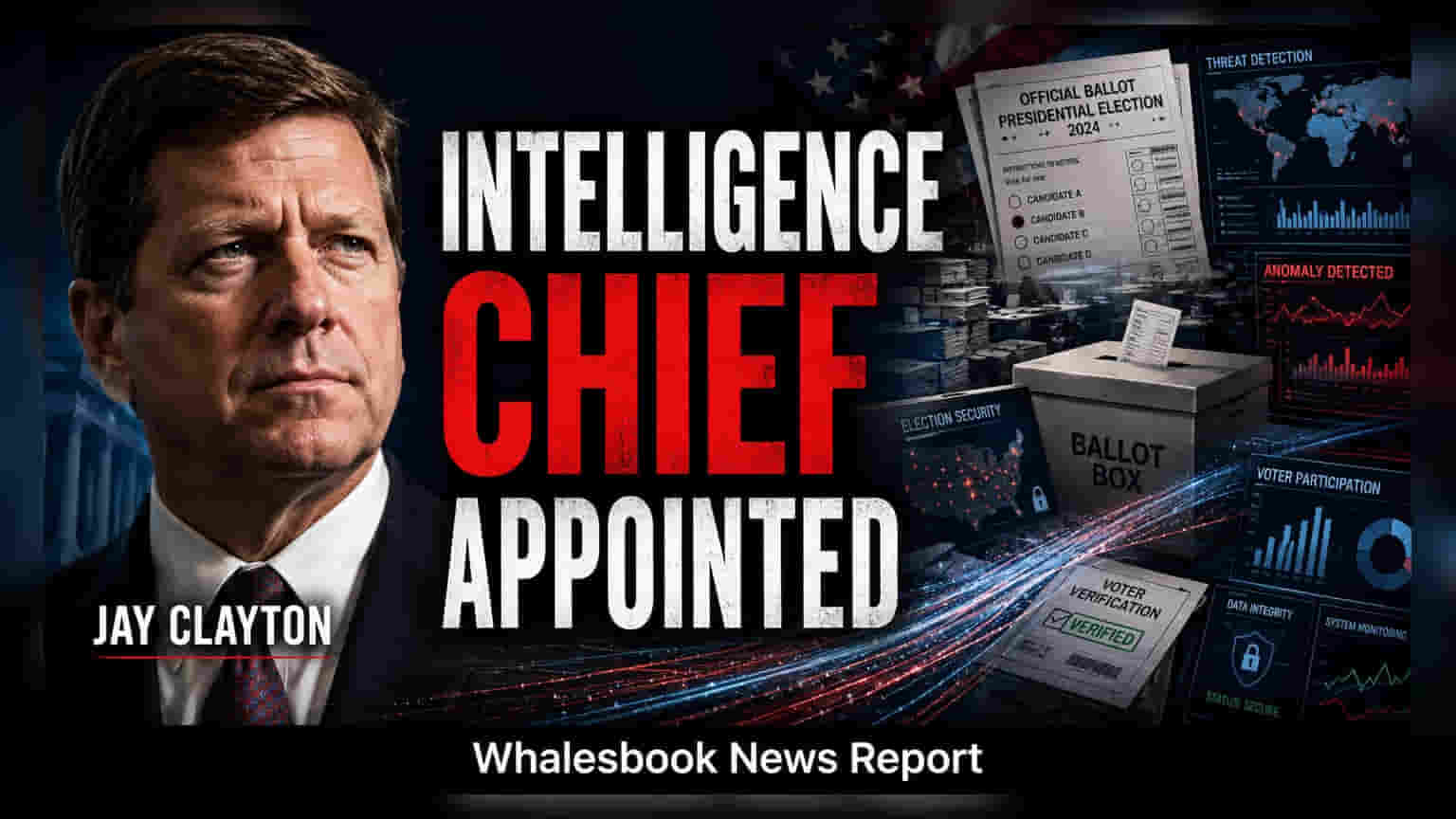
The U.S. Senate has confirmed Jay Clayton as Director of National Intelligence following a party-line vote. This move ends a period of interim leadership under Bill Pulte that sparked criticism over agency staff reductions and election-related discourse. Investors often monitor such high-level appointments for potential shifts in U.S. foreign policy and national security priorities, which can influence geopolitical stability and international markets.
The United States Senate has officially confirmed Jay Clayton as the Director of National Intelligence in a 51-47 vote. This appointment fills a critical leadership void that had persisted for several weeks following the departure of previous officials. Clayton, a former Chair of the Securities and Exchange Commission and U.S. Attorney, now takes over a permanent leadership role within the U.S. intelligence community.
Transition from Interim Leadership
Clayton's confirmation follows the tenure of Bill Pulte, who served as the interim head of the agency. Pulte’s brief time in the role faced intense scrutiny from lawmakers on both sides of the aisle, particularly regarding reports of significant staff reductions within the Office of the Director of National Intelligence. These organizational changes occurred during a period marked by political tension, including official discourse questioning the outcomes of the 2020 presidential election. The agency now faces the challenge of stabilizing its internal structure following these departures.
Senate Deliberations and Political Context
During his confirmation hearing, Clayton faced pointed questions from Democratic senators, including Senator Mark Warner and Senate Democratic Leader Chuck Schumer, regarding his position on the 2020 election results. Clayton did not definitively affirm the election outcome, stating instead that the results were certified for Joe Biden. This response led to criticism from Democratic committee members, who expressed concerns over his alignment with administration narratives regarding election integrity.
Conversely, Republican support for Clayton was spearheaded by Senate Intelligence Committee Chairman Tom Cotton, who emphasized Clayton's background in national security and law enforcement as key qualifications for the role. Proponents of the nomination argue that his experience in overseeing complex regulatory environments, such as his tenure at the SEC, provides the necessary administrative rigor to lead the intelligence community.
Future Monitorables
For market observers and investors, the key area to watch will be how the intelligence community manages its administrative and operational priorities under new leadership. The agency's focus on China's interference capabilities and broader national security threats—topics highlighted by the outgoing interim leadership—is expected to remain a focal point. Any further restructuring of the Office of the Director of National Intelligence or shifts in how the agency balances its intelligence-gathering mission with political pressure will be central indicators of the department's future direction. Investors will continue to track how these high-level personnel changes influence broader U.S. foreign policy, as stability in national security leadership is often a factor in managing geopolitical risks that can affect global trade and market sentiment.