

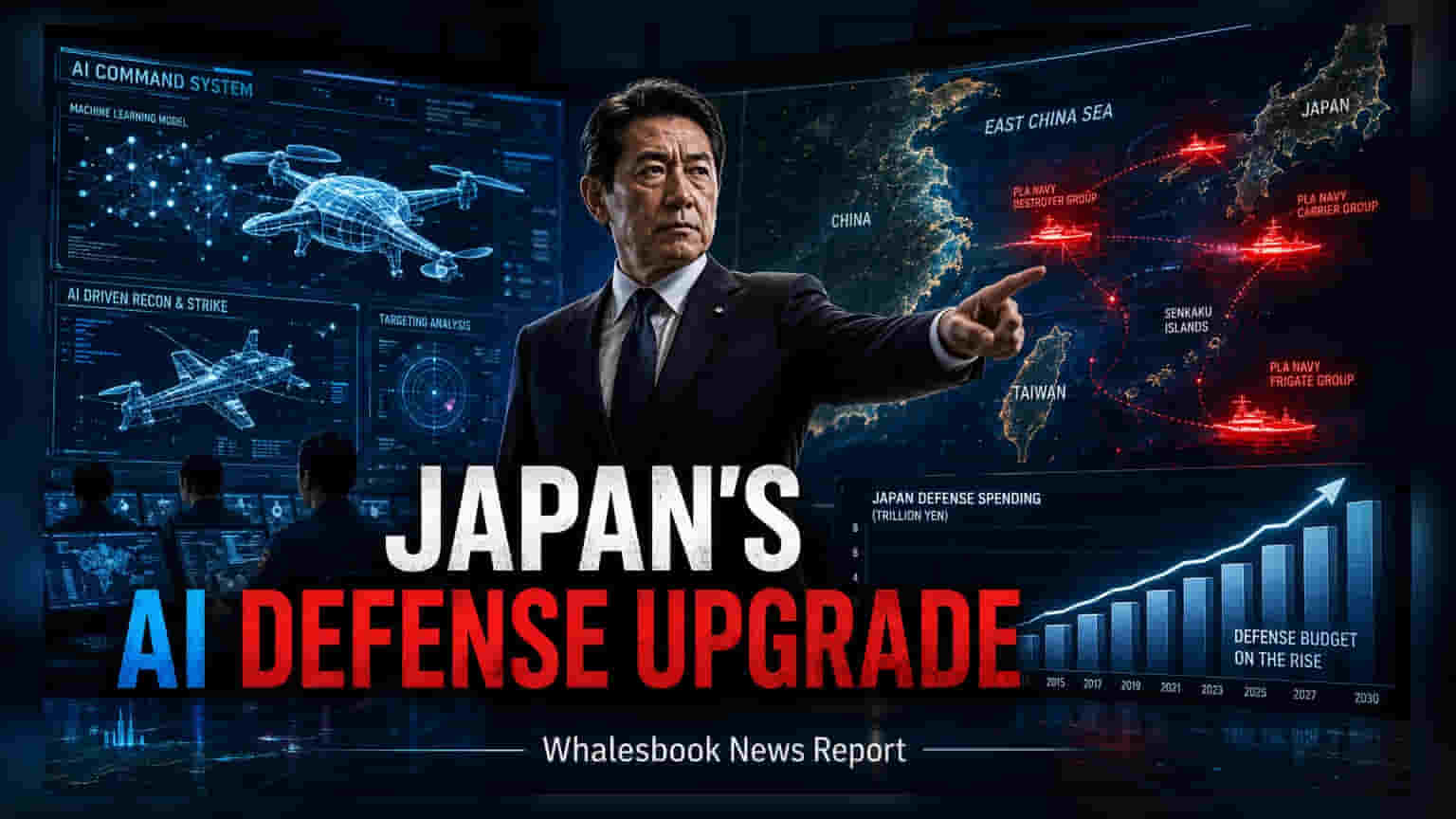
The Japanese Cabinet adopted a 2026 defense white paper on Tuesday, naming China its primary strategic challenge. Tokyo is now prioritizing AI and domestic drone manufacturing to counter security threats and a shrinking workforce. This shift aims to boost the local defense industry, though it faces fiscal and supply chain hurdles.
Japan’s government officially adopted a new defense white paper on August 4, 2026, marking a shift in its national security policy. Prime Minister Sanae Takaichi’s administration has identified China as the country’s "greatest strategic challenge." To address this, the new strategy emphasizes the urgent need to integrate artificial intelligence and autonomous drone technology into the national defense infrastructure.
The white paper highlights that modern warfare, including conflicts observed in Ukraine and the Middle East, requires rapid technological adaptation. Japan faces a unique demographic challenge with a shrinking population, which has reduced the number of available military personnel. Consequently, Tokyo views automation and uncrewed systems as essential tools for maintaining effective coastal and border defense with fewer human resources.
Industrial and Fiscal Impact
A central component of this strategy is the effort to strengthen Japan’s domestic defense industrial base. The Acquisition, Technology and Logistics Agency has initiated a rapid development program for combat drones to accelerate local production. From a pool of 38 applicants, four manufacturers have been selected for naval trials, which are scheduled to begin in August 2026. This move includes encouraging collaboration between traditional industrial giants and agile startups. For example, Toshiba and the startup Prodrone announced a partnership on July 31, 2026, specifically to develop domestic interceptor drones.
To support these companies, the government has begun easing restrictions on the export of lethal weapons. This policy change is intended to allow Japanese firms to scale their production and collaborate more freely with international partners, which could improve the long-term commercial viability of the sector.
Challenges and Risks
The pivot to domestic production involves several material risks. One significant issue is supply chain dependency; Japan’s current commercial drone market is heavily reliant on lower-cost imports, much of which originates from China. Transitioning to a secure, fully independent supply chain for defense drones is a complex, high-stakes task that requires sustained investment.
Furthermore, the increase in defense spending raises concerns about fiscal pressure. Prime Minister Takaichi’s administration must balance these military needs against Japan’s existing national debt levels and long-term interest rates. Geopolitical tensions also present a risk, as China has criticized these policy shifts, potentially leading to further diplomatic strain.
Investors and market participants will track the results of the upcoming naval trials and the ability of firms like Toshiba to successfully navigate the defense sector's regulatory and manufacturing requirements. The effectiveness of government support for startups and the actual capacity to ramp up domestic production will determine the success of this strategy in the coming years.