

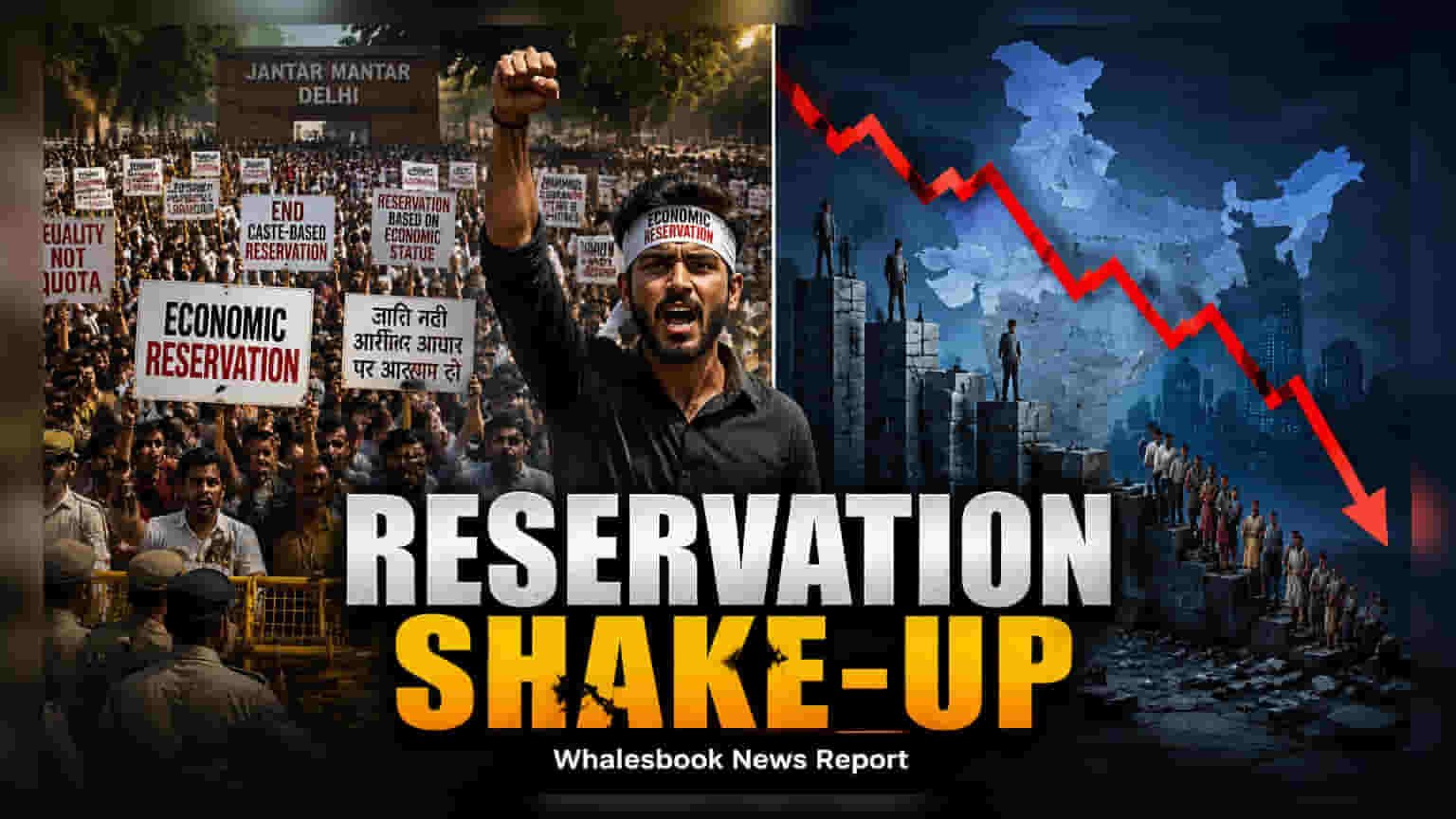
On August 21, 2026, thousands participated in the 'Reservation Hatao Andolan' at Jantar Mantar to demand a shift from caste-based to economic-based reservation criteria. The demonstration proceeded despite Delhi Police denying permission and invoking Section 163 of the Bharatiya Nagarik Suraksha Sanhita (BNSS). The event underscores public debate surrounding current social policies and their implementation.
New Delhi’s Jantar Mantar witnessed a large gathering on August 21, 2026, as protesters under the 'Reservation Hatao Andolan' banner assembled to demand major reforms to India’s reservation system. The participants, largely representing unreserved groups, called for the government to transition from caste-based benefits to a system grounded in economic status.
The gathering occurred despite explicit instructions from local authorities. Delhi Police had denied permission for the protest at the Jantar Mantar site, citing the imposition of Section 163 of the Bharatiya Nagarik Suraksha Sanhita (BNSS), which restricts public assemblies to maintain law and order. While officials had granted a no-objection certificate for a regulated, smaller demonstration at Ramlila Maidan, the organizers and protesters chose to remain at the high-security Jantar Mantar zone.
The core demands of the movement include the removal of current caste-based reservation quotas in favor of economic criteria. Protesters also voiced opposition to specific University Grants Commission (UGC) norms—which have since been stayed—and expressed dissent regarding the Scheduled Castes and Scheduled Tribes (Prevention of Atrocities) Act. The speakers argued that the current legal framework is prone to misuse and advocated for a revision of these policies.
Security personnel were heavily deployed around the area, using barricades to manage the crowd and enforce the prohibitory orders. The situation resulted in significant monitoring of public spaces in central Delhi. For the public and local businesses, the event highlights the ongoing tension and debate around national social policy. The primary monitorable for citizens and local authorities remains the impact of such unauthorized gatherings on public movement, traffic, and the potential for disruption in the capital’s administrative corridors.