

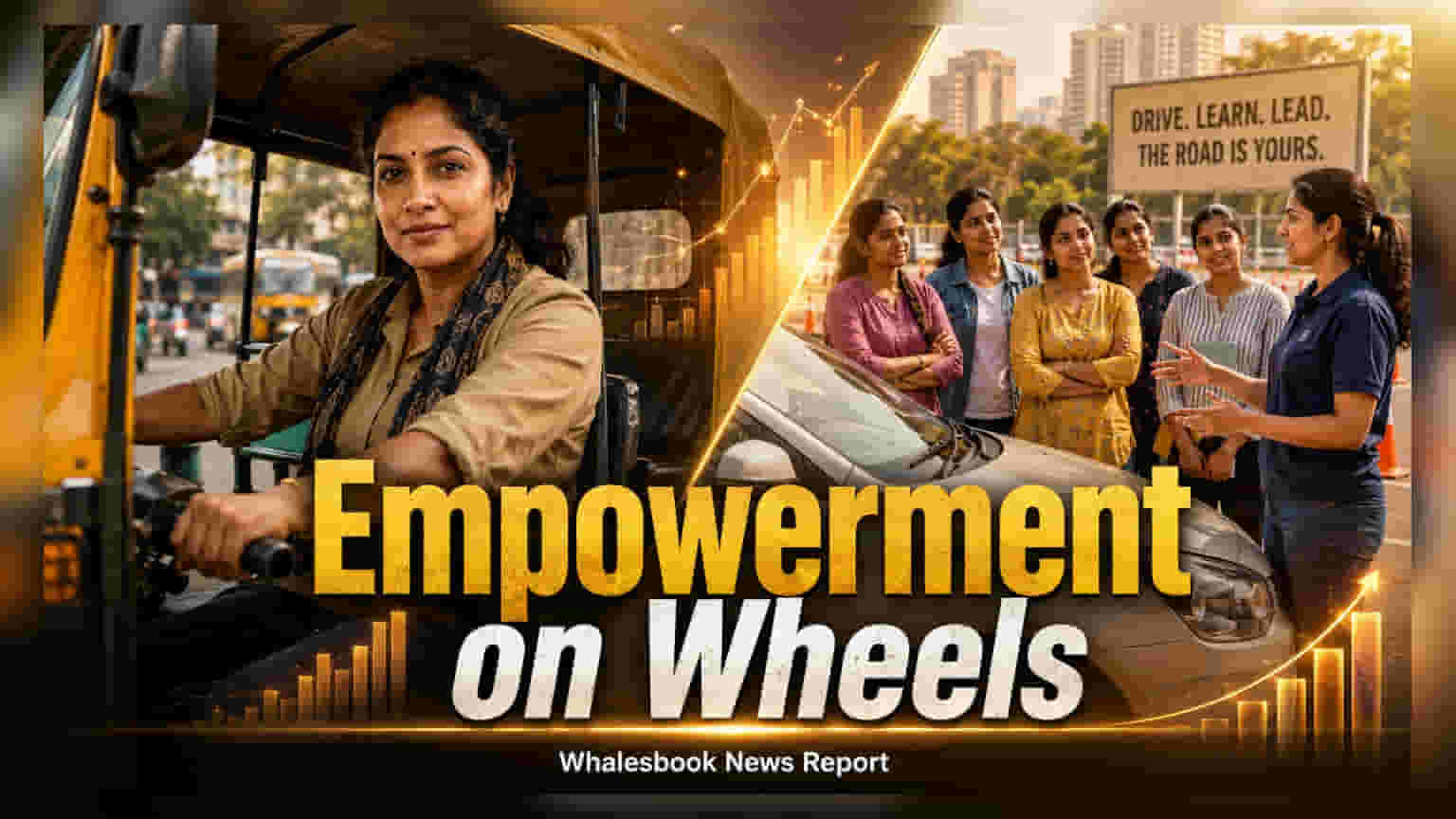
Jancy BV, a Bengaluru auto-rickshaw driver, is empowering women by providing free driving training. Since starting her initiative, she has helped approximately 50 women gain the skills needed to find independent work. Her journey from financial hardship to mentorship highlights the growing role of women in urban transport and the gig economy.
Jancy BV, an auto-rickshaw driver in Bengaluru, has turned a challenging personal journey into a community initiative by training other women to drive. Her story reflects the broader shift toward women entering the urban transport and gig economy sectors to seek financial independence.
Jancy’s path to the driver’s seat was born out of economic necessity. After the death of her father when she was young, she initially supported herself through tailoring. However, the financial impact of the COVID-19 pandemic on her family’s auto-rickshaw business proved to be a turning point. Facing significant financial pressure and the need to repay vehicle loans, she chose to learn driving with the encouragement of her husband, Vinod.
Her transition into a male-dominated field was not immediate, but she successfully obtained a commercial driving license and began operating in the city. This experience eventually led her to join Uber, providing her with the flexibility and income to support her family.
In 2021, Jancy began observing that many women she encountered at regional transport offices were eager to work but lacked access to proper training or guidance. This observation inspired her to launch a grassroots initiative to teach other women how to drive. To date, she has successfully trained approximately 50 women, aiming to help them move away from low-paying roles and into professions that offer greater control over their earnings.
This initiative highlights the growing importance of skill-based independence for women in urban India. As gig platforms become more accessible, women are increasingly looking for ways to enter sectors like ride-hailing and last-mile delivery. While this creates new income opportunities, the primary challenge remains the lack of formal training facilities tailored to women. Jancy’s effort addresses this gap, focusing on practical skills that translate directly into earning potential.
For those monitoring the changing nature of urban employment, the focus remains on how such individual-led initiatives can complement broader skill development programs. The success of this model depends on continued demand from women seeking flexible work and the availability of resources for safety and vehicle access. As Jancy continues her work, the key trackable element will be the ability of these trained women to transition successfully into full-time or part-time driving roles within the city's transport network.