 Whalesbook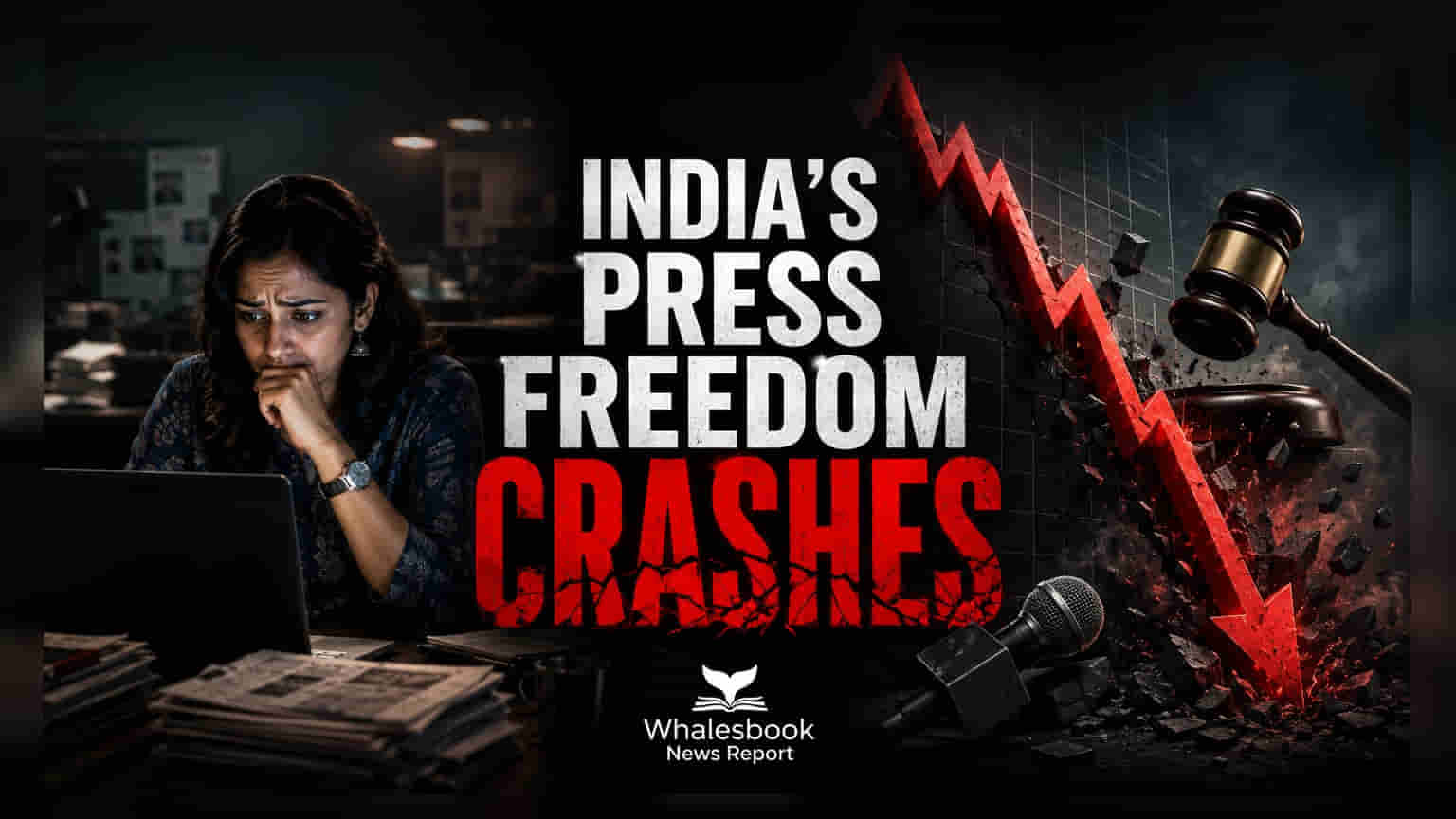


India's position on the World Press Freedom Index has dramatically worsened, now standing at 157th out of 180 nations. This significant drop, as reported by Reporters Without Borders, reflects a widening trend of diminished transparency under the current government.
Government Secrecy Fuels Disinformation
While past government operations included regular briefings, recent information gaps, attributed to operational sensitivities, are reportedly contributing to the spread of disinformation and public unease. This pattern indicates a move towards greater information control beyond standard media engagement, impacting public perception and trust.
RTI Framework Under Strain
The effectiveness of the Right to Information (RTI) framework is also being compromised. A reduction in forthcoming responses, coupled with new legislative measures such as exemptions for personal information within the Digital Personal Data Protection Act, may restrict information accessibility further. These developments collectively weaken the public's capacity to obtain essential data, a cornerstone of an informed citizenry.
Compliant Media and Diminished Accountability
The emergence of a more compliant media environment raises serious questions regarding democratic oversight. When the press, often termed the Fourth Estate, faces limitations in its scrutinizing function, governments can operate with reduced public accountability. The transformation of information from a public service to a commodity, detached from its societal role, presents a substantial obstacle in our current information-centric era. This shift risks creating an environment where critical information is less accessible, potentially impacting public discourse and governance.