

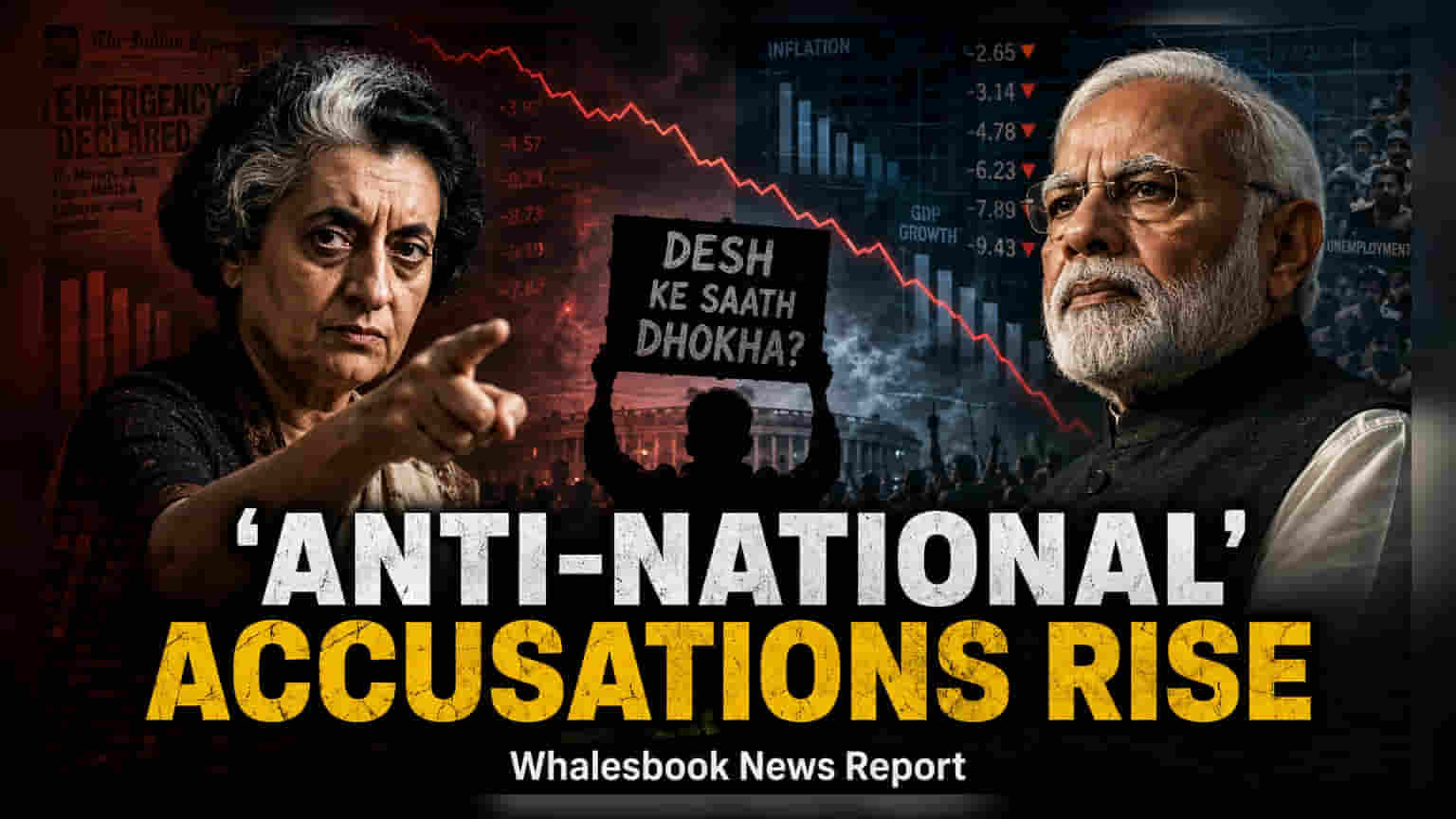
Ongoing protests by the 'Cockroach Janta Party' and the resignation of the Union Education Minister have increased political pressure. Concurrently, the government has tightened IT rules, requiring social media platforms to remove sensitive content within two hours. While the RBI maintains steady growth forecasts, these regulatory and social developments remain key monitorables for market sentiment.
The Indian political landscape is currently marked by significant developments that are drawing investor attention toward regulatory and social stability. The protest movement led by the 'Cockroach Janta Party' (CJP) has intensified at Jantar Mantar, New Delhi, following widespread dissatisfaction over examination paper leaks and high unemployment. This movement recently culminated in the resignation of Union Education Minister Dharmendra Pradhan, a change that highlights the sensitivity surrounding the education and employment sectors.
Simultaneously, the regulatory environment is undergoing a notable shift. The government has amended the IT Rules, 2021, significantly shortening the window for social media platforms to remove sensitive content to just two hours. For market participants, this move introduces a new layer of operational and compliance risk for digital and media companies, as the shortened timeline may necessitate higher investment in content moderation teams and automated monitoring systems.
Despite this political and regulatory volatility, the broader macroeconomic picture remains anchored by official policy. The Reserve Bank of India’s (RBI) Monetary Policy Committee recently held the repo rate steady at 5.25%, maintaining a neutral stance. The central bank continues to project a GDP growth rate of 6.7% for the fiscal year 2027. This suggests a divergence between current macroeconomic performance and the localized political unrest, with the former showing resilience while the latter creates potential headline risks for the market.
Political discourse in the country has also become increasingly polarized. The use of inflammatory labels to describe critics, combined with the ongoing arrests of opposition figures such as Tamil Nadu Leader of Opposition Udhayanidhi Stalin, has created a high-tension environment. Analysts often monitor such periods for potential impacts on foreign direct investment (FDI) sentiment and the perception of policy consistency. When political rhetoric dominates the news cycle, it can sometimes cloud the visibility of long-term economic reforms, making it essential for investors to differentiate between short-term political noise and structural economic shifts.
Investors are currently balancing these factors. While the RBI's steady policy provides a sense of stability, the tightening of digital regulations and the persistence of the CJP-led protests suggest a challenging environment for sentiment-sensitive sectors. The primary monitorable for the coming months will be the government's approach to these social grievances and whether the tightened IT regulations impact the ease of doing business for digital platforms. Market observers will also watch for any potential spillover effects from the education sector crisis into the broader labor and youth employment narrative.