

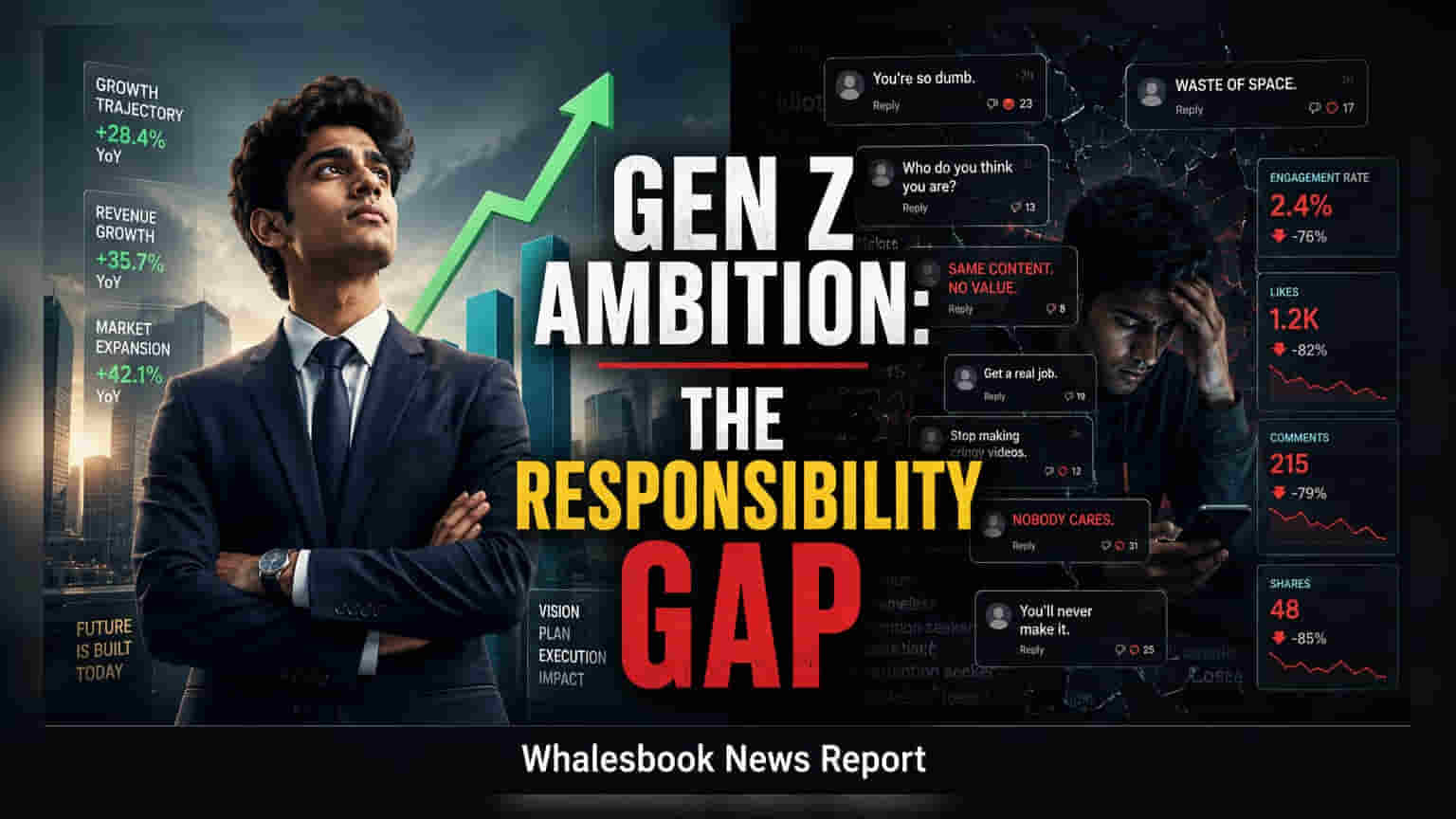
As India's Gen Z demographic enters the workforce, their impact on national productivity becomes a focal point for economic observers. While their ambition and global connectivity are significant, market analysts suggest that the development of professional soft skills and workplace values will be crucial in sustaining India's long-term economic growth.
India is currently leveraging a significant demographic dividend, with Generation Z forming a core part of its expanding labor force. As this technologically empowered generation takes on professional roles, their ambition and educational background are becoming key drivers for the country's economic trajectory. For market observers and long-term analysts, the productivity of this cohort is a critical factor in forecasting potential growth across various service-oriented and tech-led industries.
In the professional environment, the ability to translate individual ambition into organizational success often requires a combination of technical capability and interpersonal aptitude. Recent discussions among experts regarding the professional development of young Indians highlight a shift in focus. While technical skill sets remain essential, there is a growing emphasis on the value of empathy, patience, and professional discipline. These traits are increasingly seen as vital for effective team leadership and corporate governance.
For investors and corporate leaders, the transition of this generation into the workforce is a macro trend to monitor. The integration of high-energy, digitally native talent into the existing corporate structure often presents both opportunities and challenges. Organizations that successfully mentor these employees—focusing on both skill development and professional conduct—are generally better positioned to maintain high levels of operational efficiency and innovation.
Ultimately, the sustainability of India's growth story will be influenced by how effectively this demographic integrates traditional professional values with modern working styles. The ability to engage in respectful dialogue, maintain professional accountability, and foster collaborative environments will likely influence how companies build long-term value. Market participants often monitor these workforce trends, as they provide insight into the qualitative strength of the labor market that supports the nation's overall economic health.