

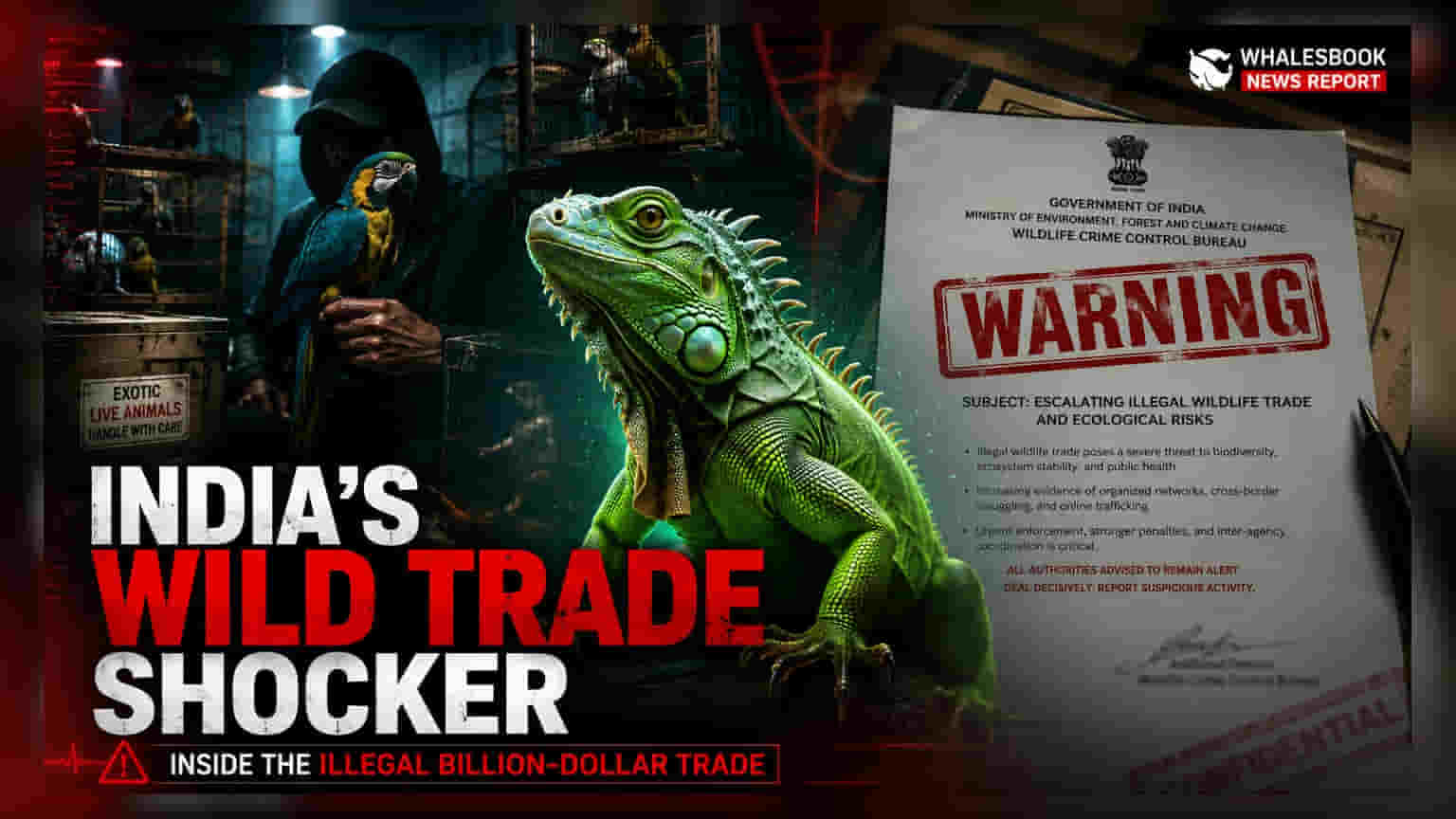
India's exotic pet trade is expanding rapidly, reaching an estimated $42.6 million in 2024 with projections to hit $75.8 million by 2030. While demand for species like reptiles and birds rises, the sector faces significant regulatory challenges, illegal trafficking concerns, and public health risks from zoonotic diseases.
What Happened
The market for exotic pets in India has grown into a substantial industry, currently valued at approximately $42.6 million as of 2024. Industry projections suggest this figure could reach $75.8 million by 2030, growing at an annual rate of 10.2 percent. This expansion is driven by a rising preference for exotic animals—including reptiles, birds, mammals, and invertebrates—which are increasingly viewed as status symbols in major urban centers. However, this commercial growth is occurring alongside significant legal and regulatory gaps, with reports highlighting a complex mix of authorized trade, illegal smuggling, and organized crime networks operating across the country.
The Legal And Regulatory Landscape
India’s current legal framework, primarily anchored by the Wildlife (Protection) Act, 1972, is being tested by the scale of this emerging sector. While there have been amendments to address CITES-listed species, experts point to a lack of a comprehensive national policy to govern the ownership, breeding, and traceability of exotic animals. The absence of standardized breeder licenses and clear tracking mechanisms allows wild-caught animals to sometimes be blended into purportedly legal, captive-bred stocks. This lack of transparency complicates enforcement and oversight for authorities.
Ecological And Public Health Risks
Beyond the business and legal aspects, the trade presents tangible risks to India’s native biodiversity and public health. The introduction of invasive alien species, such as Alligator Gar and Green Iguana, poses a threat to local ecosystems where these animals may displace native species. Furthermore, the rising popularity of exotic animal cafes and petting zoos increases the risk of zoonotic disease transmission. Pathogens such as Salmonella, Avian influenza, and Chlamydia psittaci can be passed to humans through close contact, particularly when veterinary screening and animal welfare standards are inadequate.
Trafficking Routes And Enforcement Challenges
India’s geography serves as a transit point for international wildlife trafficking, with porous borders and major international airports acting as primary hubs. Cities like Chennai, Bengaluru, and Mumbai have been identified as key transit and redistribution points for animals arriving from Southeast Asia, Australasia, and the Americas. The surge in illegal activity is evidenced by increased seizures; for instance, WWF-India documented 56 separate seizure events involving roughly 4,000 animals in 2022 alone. The challenge for authorities is compounded by the difficulty of managing seized live animals, as existing rescue centers and zoos often lack the resources to accommodate them.
What To Watch Next
For those monitoring the sector, the key focus will be on potential government action to create a more robust national framework. Investors and stakeholders should track developments regarding standardized breeder licensing, mandatory traceability requirements, and more rigorous risk assessments for invasive species. Any tightening of regulations or increased enforcement at transit hubs could shift the economics of this trade, potentially impacting the viability of businesses currently operating in this space.