

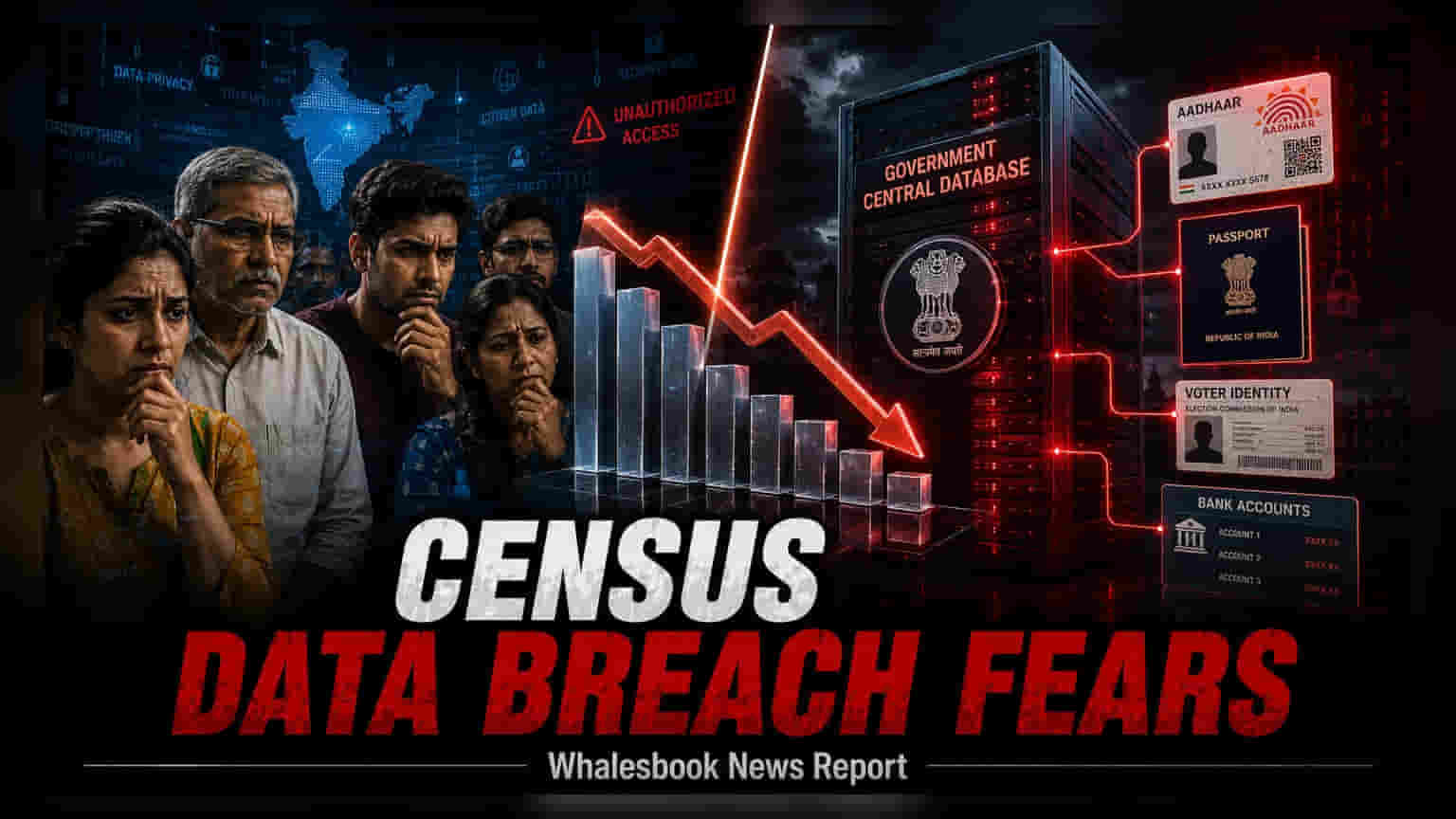
India's Census 2027 will transition to a fully digital format featuring 40 questions, including sensitive data like Aadhaar, voter ID, and bank account details. While the government cites the need for better policy planning, the inclusion of these identifiers has sparked significant debate regarding data privacy, potential surveillance risks, and the cybersecurity of the centralized digital infrastructure.
The Registrar General and Census Commissioner of India has officially released the schedule for the 2027 Census, marking the nation's first fully digital decennial exercise. The updated questionnaire includes 40 distinct queries, a notable expansion from the 29 questions used in 2011, intended to gather comprehensive data for public policy formulation and welfare planning.
The most significant change in this year’s census is the collection of sensitive personal identifiers. For the first time, enumerators will record Aadhaar numbers, voter identity card details, passport numbers, and bank account counts. The exercise also includes a nationwide caste enumeration, the first of its kind since 1931. The process has been moved entirely to mobile-based applications and a web portal, aiming to streamline data collection and minimize human error.
The government has stated that these specific data points are essential for improving the reach of welfare schemes and ensuring accurate, data-driven governance. Officials have emphasized that the Census Act, 1948, mandates the confidentiality of individual information, and that the data will be released only in aggregated, anonymized formats to protect citizen privacy.
Despite these assurances, the collection of such sensitive information has drawn criticism from privacy advocates and experts. The core concern revolves around the potential for creating a centralized, interconnected database of highly personal information. Critics argue that linking identifiers like Aadhaar and bank details with caste and migration data creates risks of extensive state surveillance or unauthorized voter profiling. They maintain that statutory confidentiality clauses may not be sufficient to prevent data misuse if security vulnerabilities exist within the centralized system.
The shift to a fully digital format also introduces technical challenges regarding cybersecurity. With millions of connected devices expected to be used by enumerators, experts have warned that any security lapse could expose citizens to risks such as phishing, identity theft, or financial fraud. The reliance on this digital infrastructure places a high burden on the government to ensure that encryption, role-based access controls, and data protection measures are robust enough to withstand potential cyber threats.
For the broader policy and economic landscape, the data generated from this census will likely influence future infrastructure, social planning, and market demand analysis. Investors and industry analysts often use demographic data to gauge regional economic activity and social trends. The success of this digital roll-out will depend heavily on public participation and trust. Consequently, stakeholders will be monitoring how the government manages data security, addresses concerns about data deletion, and implements transparent protocols to safeguard the privacy of the millions of citizens participating in the exercise.