 Whalesbook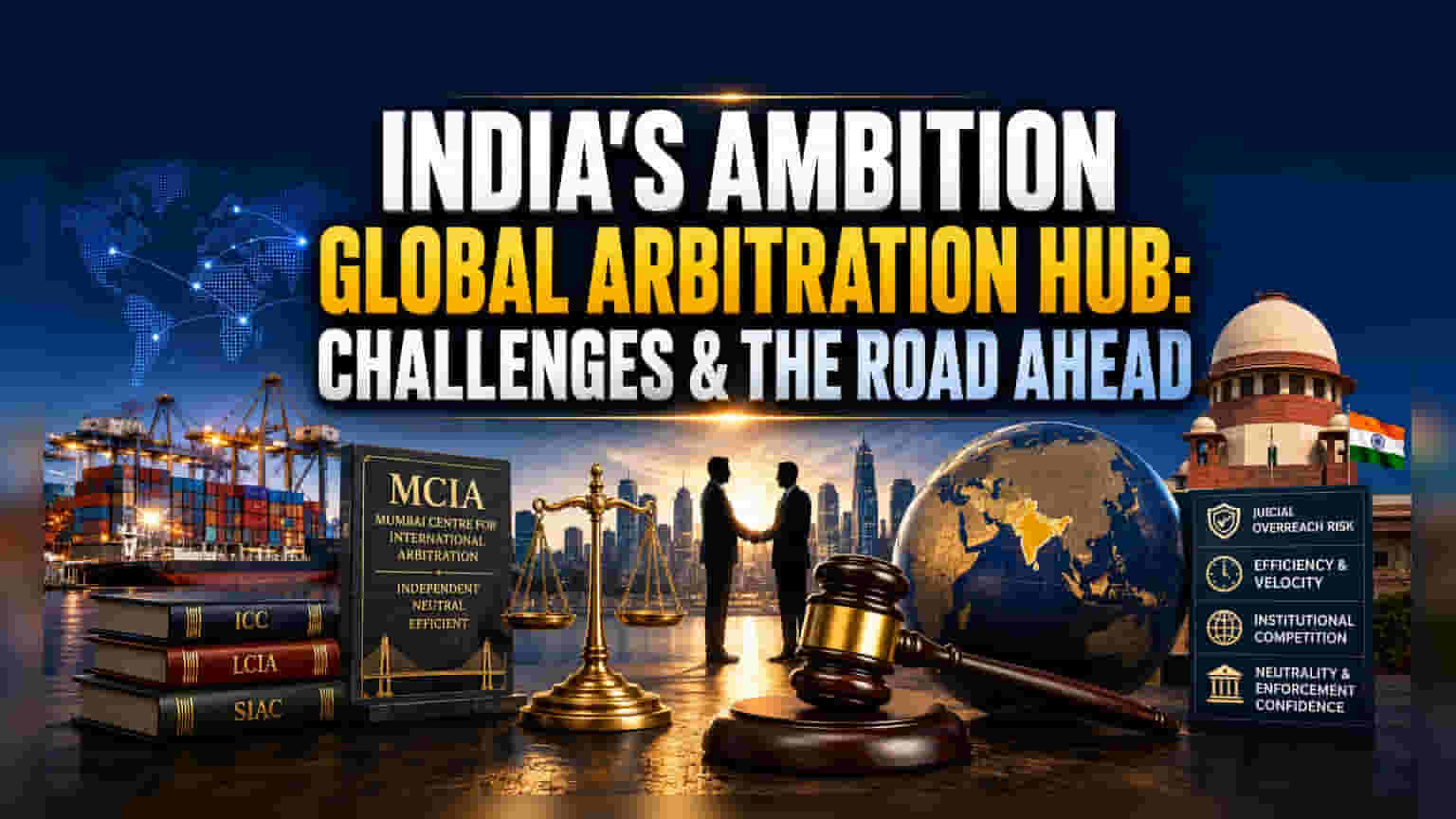


The Credibility Deficit
The ambition to transform India into a Tier-1 international dispute resolution hub remains constrained by perceptions of judicial overreach and procedural friction. While the Mumbai Centre for International Arbitration (MCIA) is actively rebranding as a neutral, independent entity, the broader market concern is not the lack of domestic centers, but the underlying reliability of the seat itself. Foreign investors frequently cite the risk of protracted court interventions in arbitration proceedings as a primary deterrent, often preferring traditional jurisdictions where the judiciary plays a limited, supportive role.
Efficiency as the New Currency
The discourse surrounding the global dispute ecosystem has shifted decisively toward management efficiency rather than nominal cost savings. Institutional leaders now emphasize that a higher fee structure is an attractive trade-off for a streamlined, predictable process. This creates a challenging environment for newer, less established centers attempting to gain market share solely through competitive pricing. In the current 2026 operating environment, users are prioritizing the velocity of case resolution, as long-drawn-out battles frequently erode the commercial value of the underlying claims, regardless of the eventual award.
The Institutional Arms Race
Incumbent powerhouses like the ICC, LCIA, and SIAC maintain dominance through a combination of brand equity and established case law that provides parties with a high degree of certainty. The data suggests that these institutions are also aggressively diversifying their portfolios; for instance, the ICC has seen significant traction in smaller-value disputes, debunking the myth that global centers are reserved exclusively for mega-cap corporate litigation. This expansion forces regional centers to fight a two-front war: proving their institutional independence while simultaneously demonstrating that they can handle complex cross-border caseloads with the same level of sophistication as their Western and Southeast Asian counterparts.
Structural Risks and the Sovereign Shadow
Prospective users remain cautious regarding the potential for government influence, regardless of the private status of specific centers. The historical lack of separation between state interests and commercial arbitration in some developing markets casts a long shadow over India’s aspirations. To successfully scale, local institutions must navigate a complex regulatory environment where the perception of neutrality is as critical as the reality. Without a demonstrable track record of non-interference and rapid enforcement of arbitral awards, the risk remains that India will continue to serve primarily as a venue for domestic disputes, failing to capture the high-value, international cross-border flow that drives global hub status.