

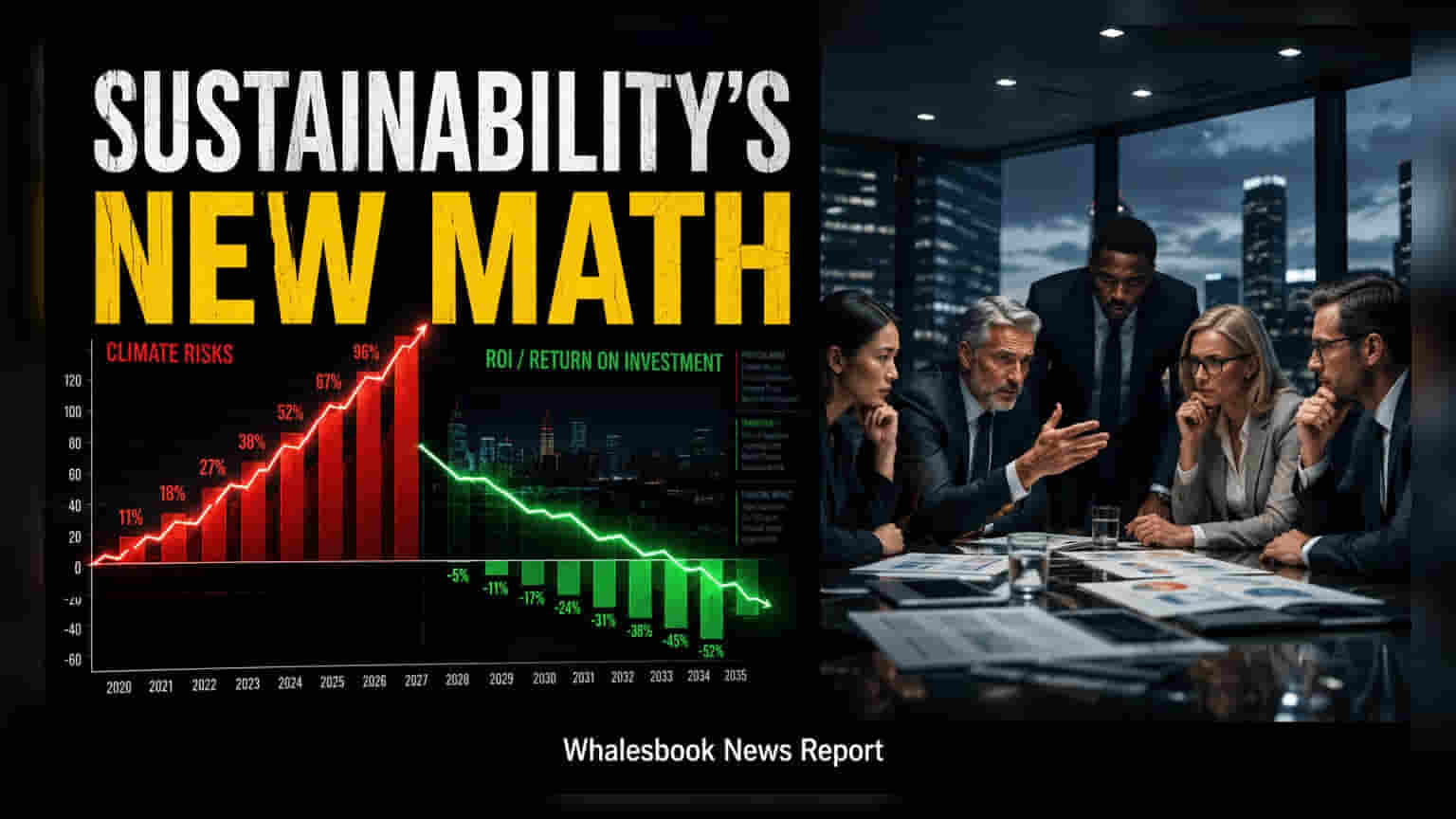
Business leaders at the Mint Sustainability Impact Summit are focusing on the financial returns of green investments. As global geopolitical and energy challenges rise, companies are balancing decarbonization with operational competitiveness. Investors are increasingly looking for measurable outcomes from climate-related spending to ensure long-term value.
The fifth Mint Sustainability Impact Summit held in Mumbai on July 29 has highlighted a pivotal shift in how Indian corporations approach environmental, social, and governance goals. Rather than treating sustainability as a secondary commitment, industry leaders are increasingly focusing on the 'ROI of Responsibility'—ensuring that investments in decarbonization and resource efficiency translate into measurable financial and operational advantages.
Challenges to Traditional Sustainability Models
Modern corporate strategies are currently being tested by several external pressures. Geopolitical instability, volatile energy security, and the rapid adoption of artificial intelligence are forcing companies to rethink their transition plans. While decarbonization remains a long-term goal, businesses are now prioritizing resilience and cost efficiency to maintain their market position in a tightening global economic environment. These factors have transformed climate risks into direct operational costs, affecting supply chains and resource availability.
Balancing AI Growth and Energy Demands
The rise of artificial intelligence is creating a unique conflict with net-zero targets. AI infrastructure requires massive amounts of electricity and water, which complicates corporate efforts to lower emissions. Discussions at the summit, featuring representatives from major power and data service providers, centered on how to reconcile the heavy energy footprint of new technologies with the commitment to renewable energy. For investors, this signifies that technology spending now carries a greater environmental cost, which may impact future profit margins if not managed through grid modernization or energy-efficient solutions.
Supply Chain Transparency and Financial Returns
Reducing Scope 3 emissions—those produced by a company’s suppliers and partners—is becoming a central hurdle for large industrial players. Executives from major manufacturing and retail firms discussed the difficulty of maintaining transparency across complex value chains. The consensus among participants, including leaders from banks and engineering firms, is that sustainability strategies are now being scrutinized by lenders more strictly. Attracting capital for net-zero projects is no longer just about environmental impact; it is increasingly tied to the ability of a firm to demonstrate that these projects improve long-term financial stability and reduce regulatory risk.
What Investors Should Track
As companies continue to integrate sustainability into their core business models, investors should focus on several key areas. First, monitor how firms report the actual financial returns from their sustainability projects versus the initial capital spending. Second, keep an eye on how companies manage the rising energy costs associated with digital and AI expansions. Finally, evaluate whether a company’s sustainability initiatives are truly reducing supply chain volatility or merely increasing administrative costs. The ability of management to turn climate resilience into a competitive differentiator—rather than a compliance expense—will be a critical indicator of future performance.