

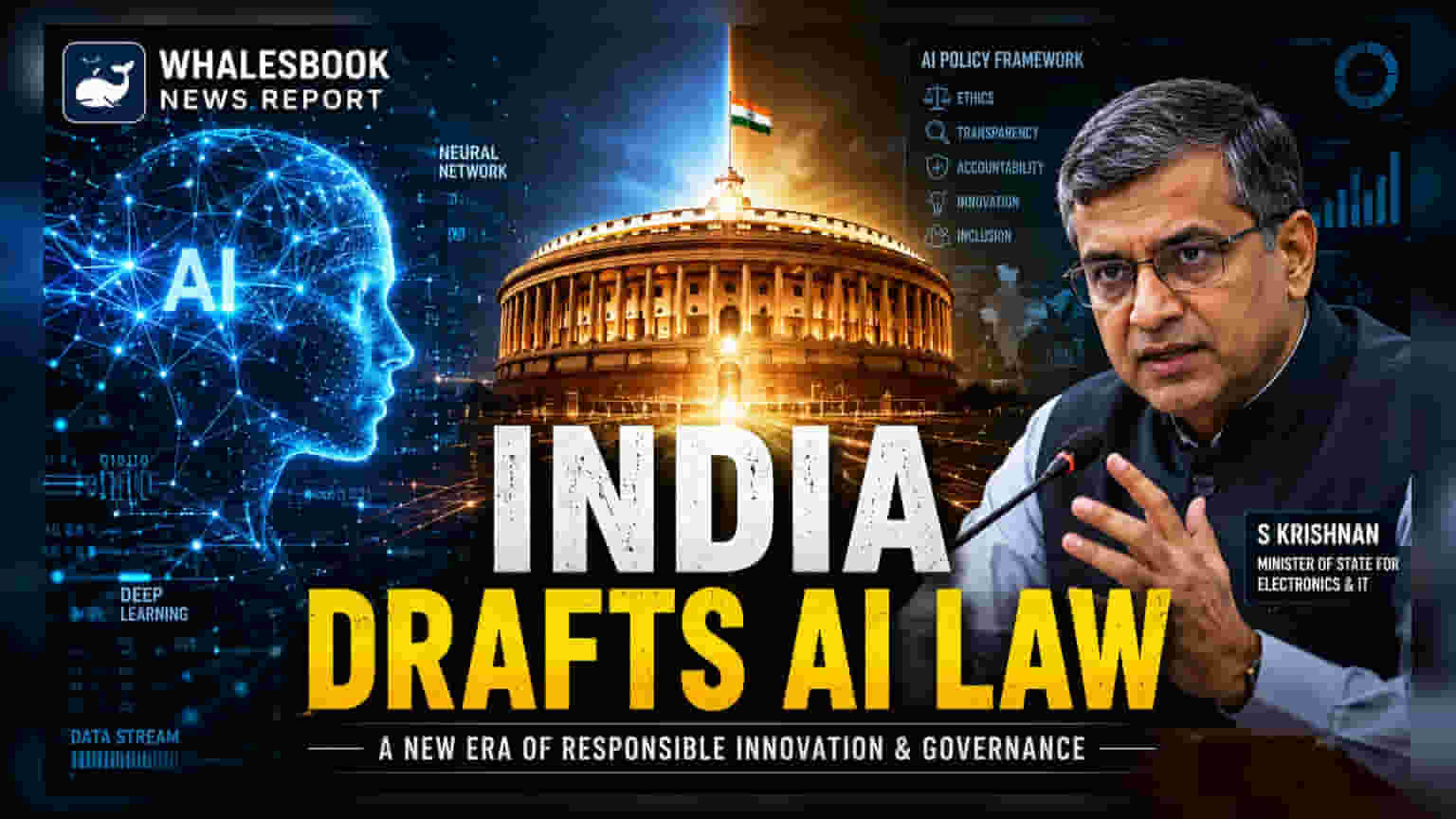
The Ministry of Electronics and Information Technology is considering a standalone legal framework for artificial intelligence. This shift marks a move away from relying on existing IT laws to govern the rapidly evolving sector. The change could influence how companies develop AI technology and manage data within the country.
What Happened
India’s government has indicated a significant shift in its regulatory strategy for artificial intelligence. S. Krishnan, Secretary at the Ministry of Electronics and Information Technology (MeitY), stated that the government is now exploring the creation of dedicated legislation for AI. This announcement marks a departure from the previous "light-touch" approach, which relied on existing frameworks like the Information Technology Act and the Digital Personal Data Protection Act to handle issues such as misinformation and deepfakes.
Why The Shift Matters
Until now, the government prioritized avoiding early regulation to ensure that local innovation and the IndiaAI Mission were not held back by strict compliance burdens. The new move suggests that the government now views the risks associated with AI, such as data privacy concerns and ethical challenges, as too significant to be managed by legacy laws. For technology companies, this means the future operating environment may involve specific licensing, safety audits, or algorithmic transparency requirements that were not previously in place.
The Global Context
India is aligning its strategy with global developments. The European Union has already adopted the AI Act, which categorizes systems based on risk levels. Meanwhile, the United States has focused on executive orders and voluntary agreements with major AI developers, and China has implemented specific rules for generative AI and recommendation engines. India’s decision to draft its own laws suggests a need for a balanced approach that protects citizens while maintaining a competitive environment for domestic and international AI developers.
International Partnerships
Alongside domestic regulatory efforts, the government is actively working to integrate India into the global AI ecosystem. Discussions are currently underway with the U.S. government and the AI firm Anthropic. The primary goal is to gain access to frontier AI models, which are among the most advanced systems available today. Securing this access is part of the broader objective to ensure Indian developers and researchers can utilize world-class infrastructure, regardless of the tightening regulatory environment.
What To Watch Next
Investors and industry observers should track the release of the government's draft regulation. Key areas of focus will be how the law defines "high-risk" AI, what compliance costs are imposed on startups versus large technology firms, and whether the framework allows for international collaboration. The timeline for public consultation and the final enactment of the bill will be the next major markers for the domestic technology sector.