 Whalesbook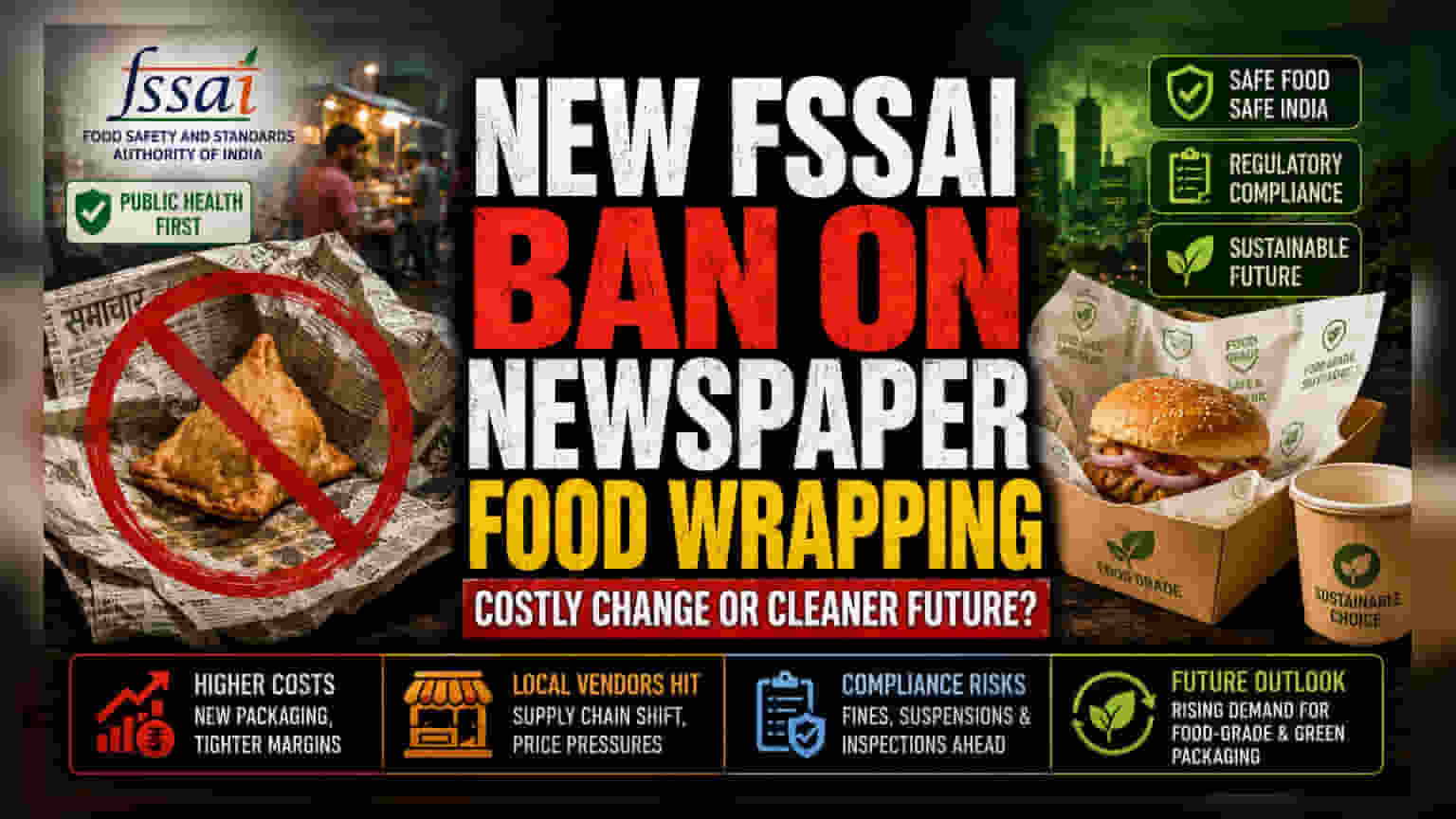


The Operational Shift in Food Packaging
The formal prohibition by the Food Safety and Standards Authority of India (FSSAI) regarding newspaper-based wrapping marks a shift toward standardized food handling compliance. While this mandate focuses on public health, the secondary effect is a forced transition from zero-cost, repurposed newsprint to regulatory-compliant, food-grade materials. This shift is particularly impactful for the informal food sector, where packaging cost-efficiency has historically functioned as a buffer against volatile raw material inflation.
Economic Implications for Local Vendors
The sudden removal of newsprint as an operational tool presents a structural cost challenge. Small-scale food enterprises operate on razor-thin margins where every component of the COGS is optimized for minimum overhead. For these entities, moving to certified grease-resistant or food-grade paper products involves not only a direct price hike per unit but also creates a supply chain requirement for vendors who have traditionally operated outside of formal procurement channels. Unlike large-scale quick-service restaurants that have long integrated compliant packaging into their capital structure, the fragmented street-food sector now faces a logistical hurdle that may lead to localized price adjustments to offset the regulatory compliance costs.
Structural Risks and Compliance Hurdles
Beyond the immediate cost increase, the directive exposes a significant oversight in the regulatory-to-retail pipeline. Compliance with the Food Safety and Standards (Packaging) Regulations of 2018 requires the use of food-grade plastics or paper that meet migration limits for chemical safety. Vendors currently bypassing these standards are now categorized as high-risk, potentially opening the door for increased scrutiny from local municipal health inspectors. The risk for individual businesses lies in the potential for license suspensions or fines if legacy packaging practices persist. Historical data from similar regulatory shifts in hygiene standards suggests that enforcement cycles are often accompanied by a temporary surge in administrative costs, which can stifle smaller businesses that lack the liquid capital to transition supply chains rapidly.
The Future Outlook
Expect a medium-term increase in demand for standardized, food-grade packaging suppliers in tier-two and tier-three urban markets. While this change favors larger institutional suppliers of packaging materials, it simultaneously acts as an inflationary pressure on the final retail price of street-side food items. Investors should watch for increased interest in sustainable, biodegradable packaging alternatives, as these products may benefit from the combined tailwinds of FSSAI enforcement and broader national shifts toward reduction in plastic waste. As the regulatory climate tightens, the disparity between formal, compliant vendors and informal market participants will likely widen, creating a period of instability for traditional micro-enterprises.