 Whalesbook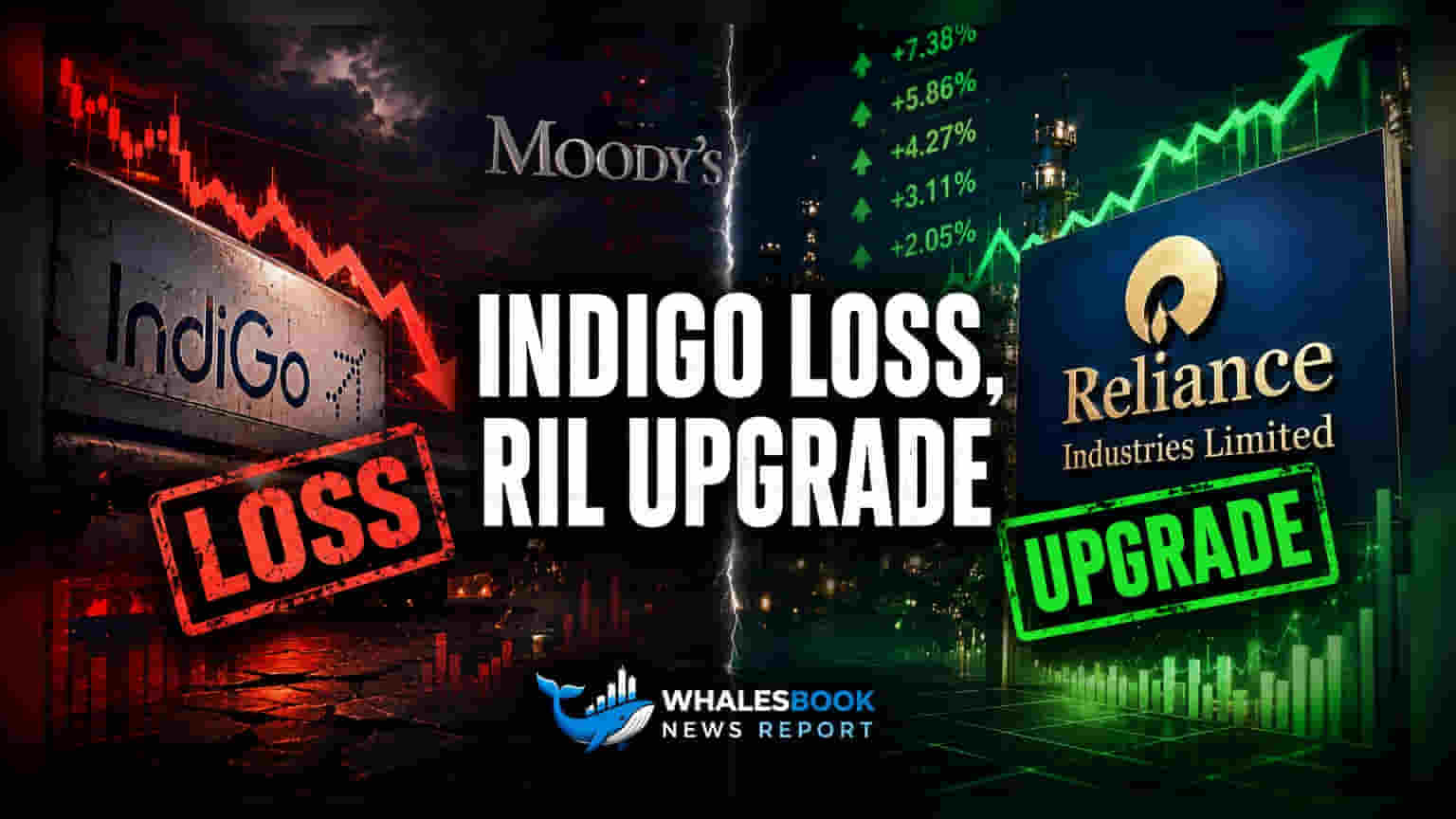


The Valuation Gap and Aviation Volatility
InterGlobe Aviation, known as IndiGo, faces a critical re-evaluation after reporting a net loss of Rs 2,536.9 crore for the final quarter, a sharp reversal from the Rs 3,067.5 crore profit captured in the prior year. While the 1.3% revenue uptick to Rs 22,438.4 crore signals that demand remains intact, the operational reality suggests that cost pressures—likely tied to fuel and maintenance—are effectively eroding margins. For investors, the disconnect between top-line stability and bottom-line erosion marks a structural shift in the airline industry's profitability threshold, forcing a move away from growth-at-all-costs metrics toward stricter cost-per-available-seat-kilometer (CASK) analysis.
Commodity Outperformance and Macro Tailwinds
In contrast to the aviation sector, the resources space exhibits clear strength. NMDC’s 36% profit growth to Rs 2,017.6 crore, backed by a 61.9% revenue spike, highlights the leverage these firms maintain over pricing power in current supply-constrained environments. Simultaneously, Reliance Industries (RIL) provides a defensive backbone for the broader index. The decision by Moody’s to elevate RIL to Baa1 reinforces institutional confidence in the company’s deleveraging trajectory. By trading two notches above the sovereign ceiling, RIL secures a lower cost of capital, providing a tangible competitive advantage over peers who remain tethered to tighter credit conditions.
The Forensic Bear Case: Structural Risks
Corporate governance remains a point of friction that requires careful observation. Suzlon Energy’s intent to contest a Rs 28.95 crore SEBI penalty at the Securities Appellate Tribunal keeps a cloud over the stock, as historical allegations of financial misrepresentation continue to weigh on investor sentiment. Firms embroiled in regulatory disputes often trade at a permanent discount to their peers, regardless of operational improvements. Furthermore, the block deal involving a 1% stake divestment by PB Fintech co-founders, totaling Rs 665 crore, serves as a liquidity warning. While founders often sell for personal diversification, significant equity outflows frequently signal a ceiling on near-term price appreciation.
Strategic Shifts and Operational Revivals
Beyond the headline numbers, tactical pivots define the current activity. Hindustan Copper’s partnership with Lohum Materials to revitalize the Gujarat Copper Plant via a revenue-sharing model represents a low-capex strategy to unlock dormant capacity. Such asset-light approaches are increasingly favored by institutional analysts over aggressive debt-fueled expansion. Similarly, the diversification of EKI Energy Services into power trading indicates a search for stable, non-cyclical revenue streams in a volatile energy market. As the market digests these results, focus will likely shift to the sustainability of operating margins rather than mere revenue growth, particularly for firms navigating post-pandemic demand normalization.