

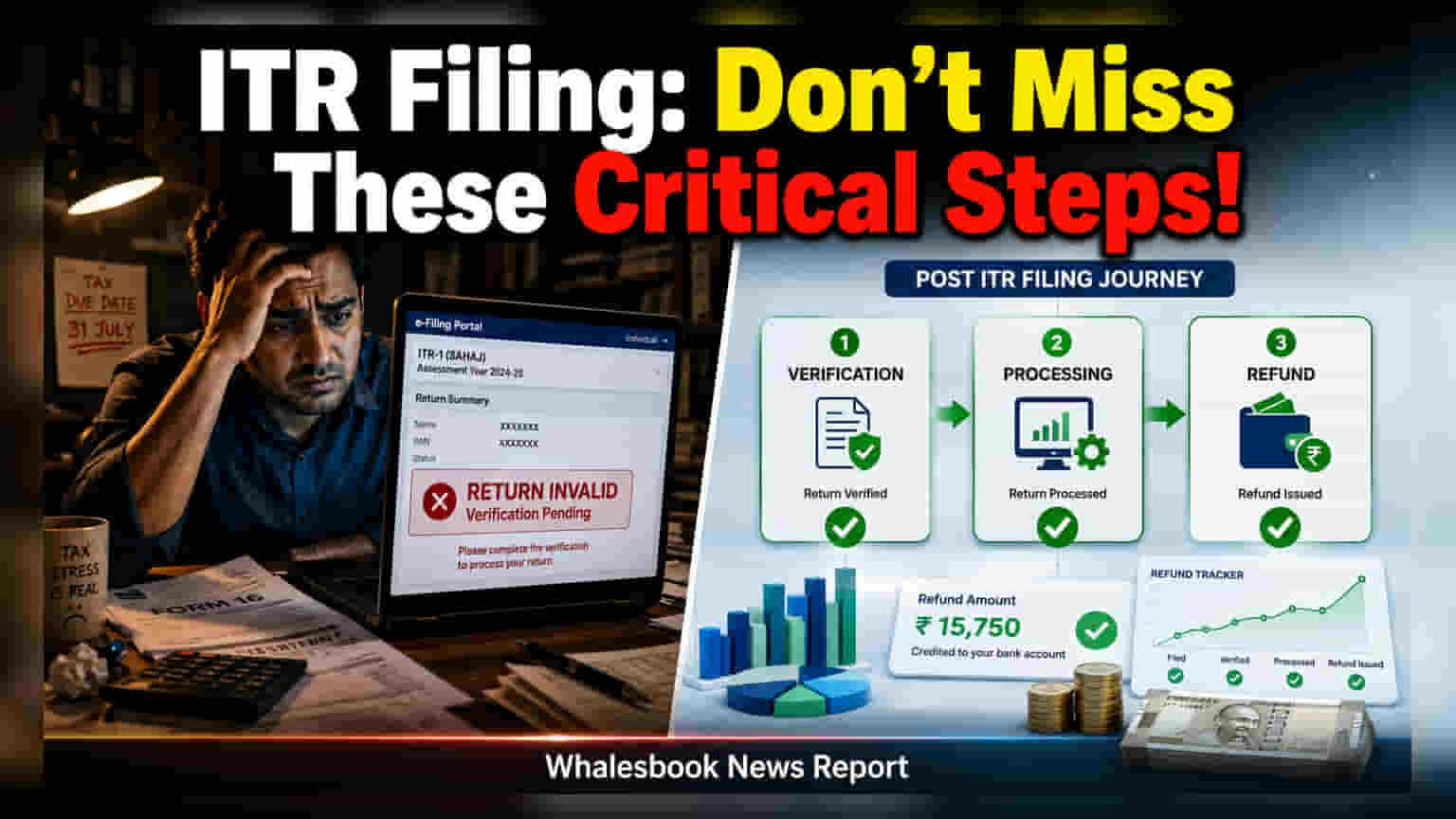
Taxpayers must complete e-verification within 30 days of filing to ensure returns remain valid. Monitoring for Section 143(1) intimations and rectifying potential mismatches in Form 26AS or the Annual Information Statement is essential to avoid penalties and secure timely refunds.
For millions of Indian taxpayers, hitting the submit button on the income tax portal is only the first stage of the compliance cycle. The Income Tax Department mandates that all e-filed returns must be verified within 30 days of submission. If this verification is missed, the department deems the return as invalid, effectively treating the filing as if it never occurred. This can lead to the loss of the original filing date, potentially attracting penalties and resetting the clock on interest claims for delayed refunds.
The Importance of Section 143(1) Intimation
Once a return is verified, it enters the processing queue at the Centralised Processing Centre. The department then sends an intimation under Section 143(1) of the Income Tax Act. This document serves as the official reconciliation between the figures declared by the taxpayer and the data available in the department’s records. It is a critical check for taxpayers to identify any discrepancies, such as TDS mismatches where the tax deducted does not align with Form 26AS, or errors regarding interest income and financial transactions listed in the Annual Information Statement (AIS).
Discrepancies often arise from common oversights like failing to report dividend income, errors in claiming the Section 87A rebate, or missing landlord PAN details for House Rent Allowance (HRA) exemptions. Taxpayers who receive a demand notice following this intimation have two primary paths: either agree and pay the tax within 30 days, or initiate a rectification process under Section 154 if they believe the department's computation contains an error. This rectification window remains open for approximately four years, providing a safety net for genuine reporting mistakes.
Handling Defective Returns and Refunds
Another significant risk for taxpayers is receiving a notice under Section 139(9) for a 'defective return.' This happens when the department finds the filing incomplete or inconsistent. Taxpayers are given a strict 15-day window from the date of the notice to file a response and rectify the errors. Failing to address these notices within the stipulated time can result in the return being treated as not filed, which invites late fees and potential further scrutiny.
Beyond compliance, the post-filing period is vital for managing refunds. The department processes refunds primarily through pre-validated bank accounts that are linked with both PAN and Aadhaar. If a bank account is not pre-validated or if there is a mismatch in account details, the refund payment often fails, leading to a 'refund reissue' process that requires manual intervention. Staying vigilant by tracking the status of returns on the e-filing portal helps taxpayers spot these failures early and allows them to update account details before interest loss or processing delays accumulate.