

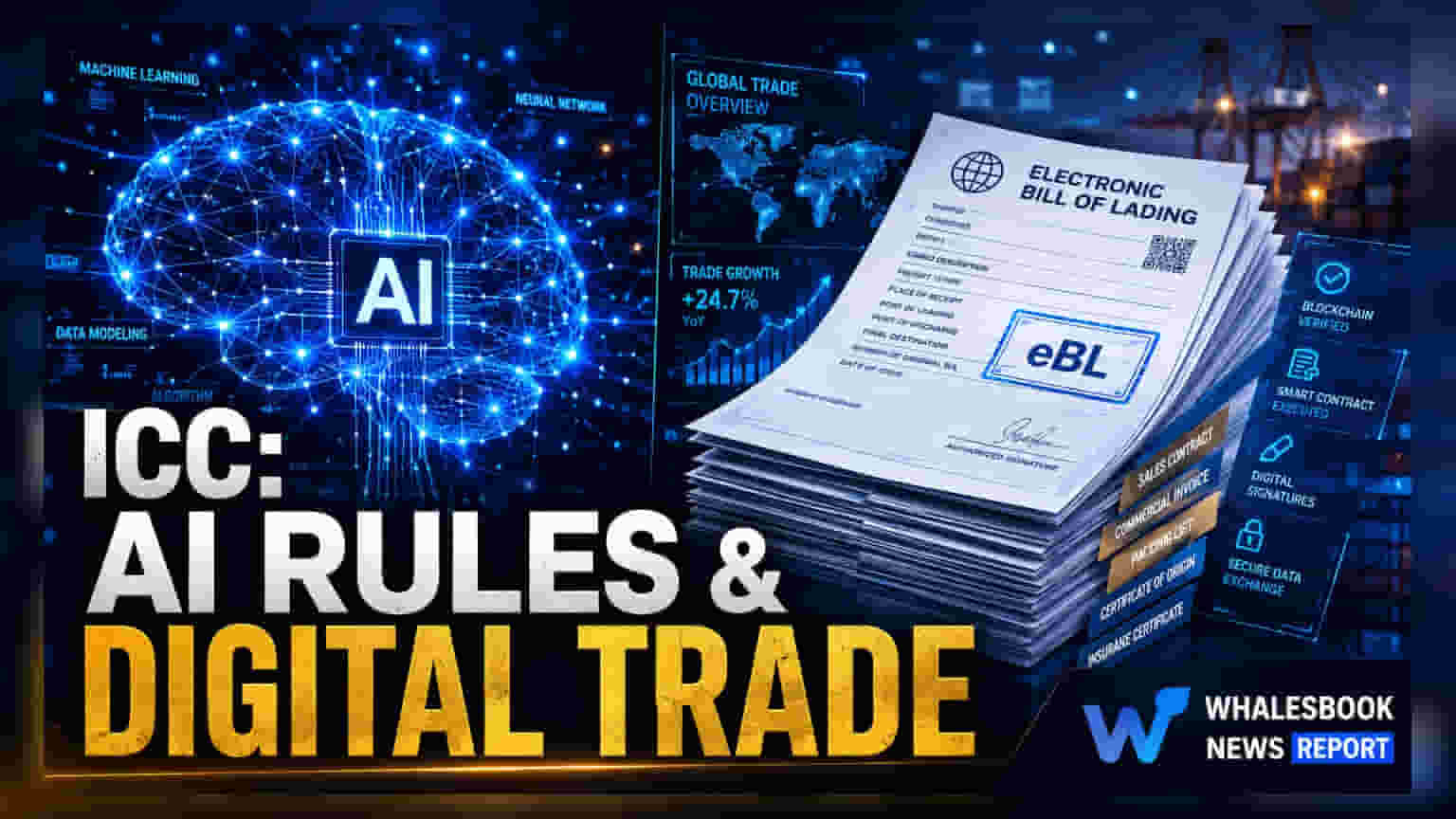
Harsh Pati Singhania, CMD of JK Paper, has assumed the role of Chair at the International Chamber of Commerce (ICC). His two-year agenda prioritizes global artificial intelligence governance and the digitization of trade documentation to reduce costs for businesses. His appointment marks only the fourth time an Indian has led the Paris-based global business body, signaling a potential increase in advocacy for emerging economies.
What Happened
Harsh Pati Singhania has officially assumed the role of Chair at the International Chamber of Commerce (ICC), the world's largest business organization representing millions of companies across 170 countries. The appointment, confirmed during the ICC World Council meeting in Paris, marks a significant milestone as he becomes only the fourth Indian leader to head the century-old institution. Singhania, who is also the Chairman and Managing Director of JK Paper, succeeds Philippe Varin. His leadership mandate is expected to span two years, during which he intends to reshape global trade policies and influence how businesses navigate the transition to a more digital, AI-driven economy.
The Focus on AI and Digital Trade
Under his leadership, the ICC has outlined a clear agenda to modernize international commerce. Singhania has emphasized that global artificial intelligence governance is a primary objective. He noted that while AI offers immense potential for innovation, there is an urgent need to establish internationally recognized norms and boundaries to prevent disruption. The organization plans to facilitate dialogue between governments, technology companies, and the private sector to develop standards that support responsible AI adoption.
Another critical pillar of his tenure is the ICC’s Digital Standards Initiative (DSI). Despite the advancement of digital tools, an estimated 80% to 90% of global trade documentation—such as bills of lading and certificates of origin—remains paper-based. The ICC has already digitized 21 of the 36 key trade documents identified for reform. Singhania highlighted that completing this transition is essential to reducing compliance costs, streamlining logistics, and improving market access for small and medium-sized enterprises (SMEs) that often struggle with the high burden of manual paperwork.
Why This Matters for Global Trade
Singhania’s background is expected to bring a heightened focus on the challenges faced by emerging economies and smaller businesses. During his initial statements, he highlighted that small and medium enterprises are often disproportionately affected by complex regulations and a lack of access to affordable trade finance. By advocating for reforms in areas like Basel III norms—which currently can make trade finance more expensive for SMEs—the ICC aims to lower the barrier to entry for businesses in developing nations.
His role also positions him to advocate for more inclusive global trade governance, potentially pushing for more plurilateral agreements to bypass decision-making blockages at major international forums like the World Trade Organization (WTO). This shift could lead to more practical, business-friendly outcomes in international trade disputes and policy frameworks.
What Investors Should Track
For investors and market participants, the ICC’s policy work can have long-term implications for global digital standards and trade efficiency. Key developments to monitor include the pace of adoption of the ICC’s digitized trade documents by various national governments and banks, as widespread interoperability is crucial for cost savings. Additionally, updates regarding the ICC's advocacy for trade finance reforms and AI policy frameworks will provide insight into how global trade rules might evolve in the coming years. For Indian companies, particularly in the tech, logistics, and export sectors, the alignment of global digital standards with Indian public infrastructure could potentially open new avenues for streamlined cross-border operations.