

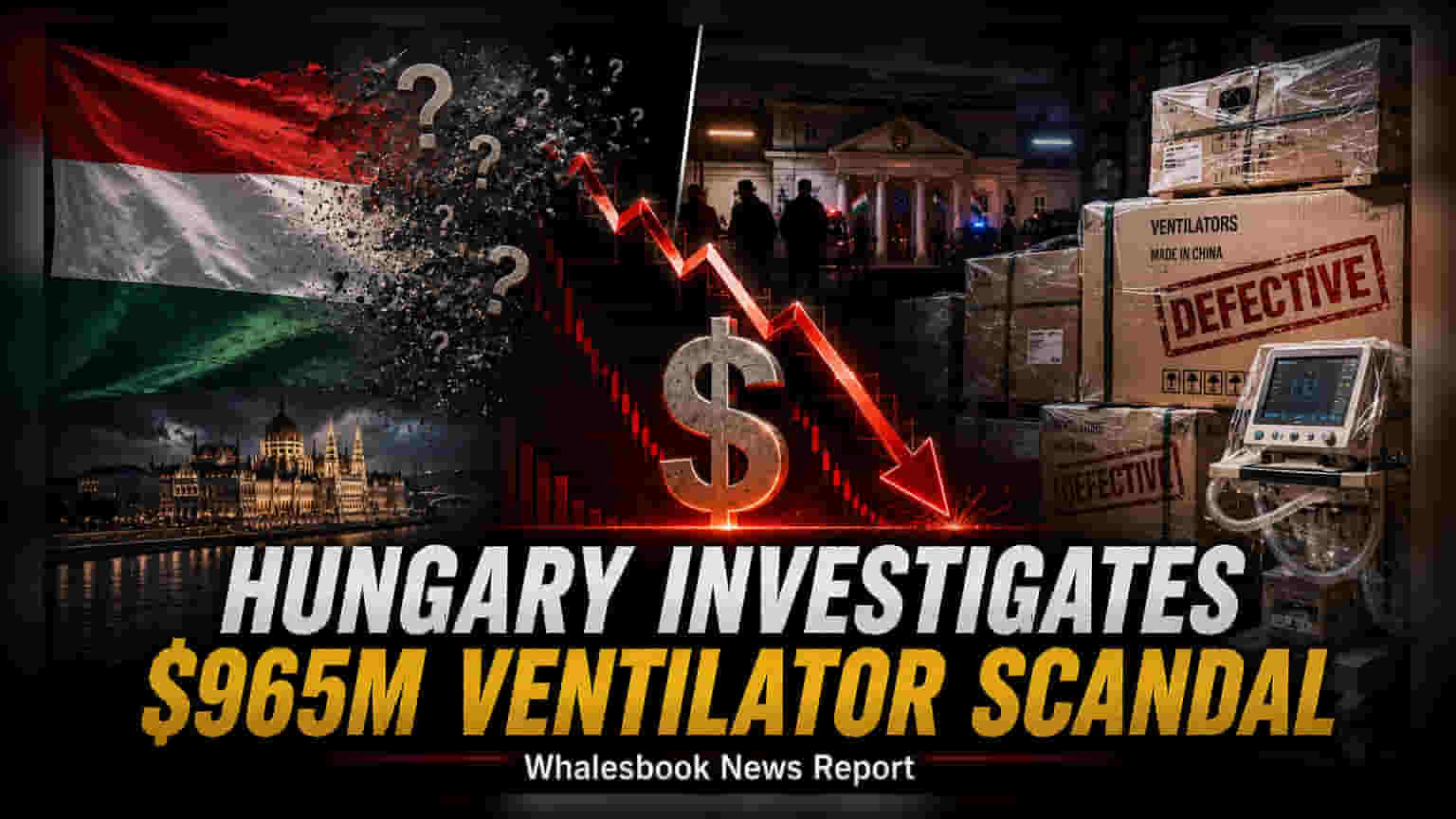
Hungarian authorities have filed a criminal complaint regarding a 2020 government purchase of 17,000 ventilators worth $965 million, citing fraud and mismanagement. The investigation highlights governance risks as officials audit past deals, including contracts negotiated by former leadership now associated with foreign firms. Investors may monitor the outcome of this probe for its potential impact on state-backed foreign investment policies.
Hungarian authorities have officially launched a criminal investigation into a 2020 government deal for ventilators, valued at approximately $965 million. The Ministry of Foreign Affairs filed the complaint, citing suspicions of breach of financial responsibility and potential criminal offenses linked to the procurement process.
Irregularities in Pandemic Procurement
During the early stages of the pandemic, the Hungarian government purchased around 17,000 ventilators from China. According to the ongoing investigation, the deal was marked by irregularities, including the use of intermediary firms that reportedly saw significant revenue increases from the transaction. The government statement noted that a large portion of the equipment was found to be defective, while a substantial number of units were never put into use, incurring ongoing storage costs for the state.
Governance and Conflict of Interest Concerns
For investors, the event highlights the risks associated with large-scale government procurement often executed during crisis periods. The inquiry has also brought renewed attention to the actions of former Foreign Minister Péter Szijjártó. Szijjártó, who oversaw this ventilator purchase as well as other major foreign deals, recently resigned from parliament to join the Chinese automaker BYD.
The current government is now reviewing state subsidies and investments negotiated during Szijjártó’s tenure, including those involving BYD. This situation serves as a reference for governance risk, where a change in administration often leads to audits of past deals. Such reviews can create uncertainty for companies that were previously involved in state-backed agreements, as terms and subsidies may be subject to retroactive scrutiny.
The immediate monitorable for investors is the progression of this legal investigation and whether it leads to wider probes into other state-negotiated contracts. The government's willingness to review past subsidy deals with multinational corporations could signal a shift in how foreign investments are monitored in Hungary, which may influence the risk profile for companies with significant exposure to state-negotiated projects in the region.