 Whalesbook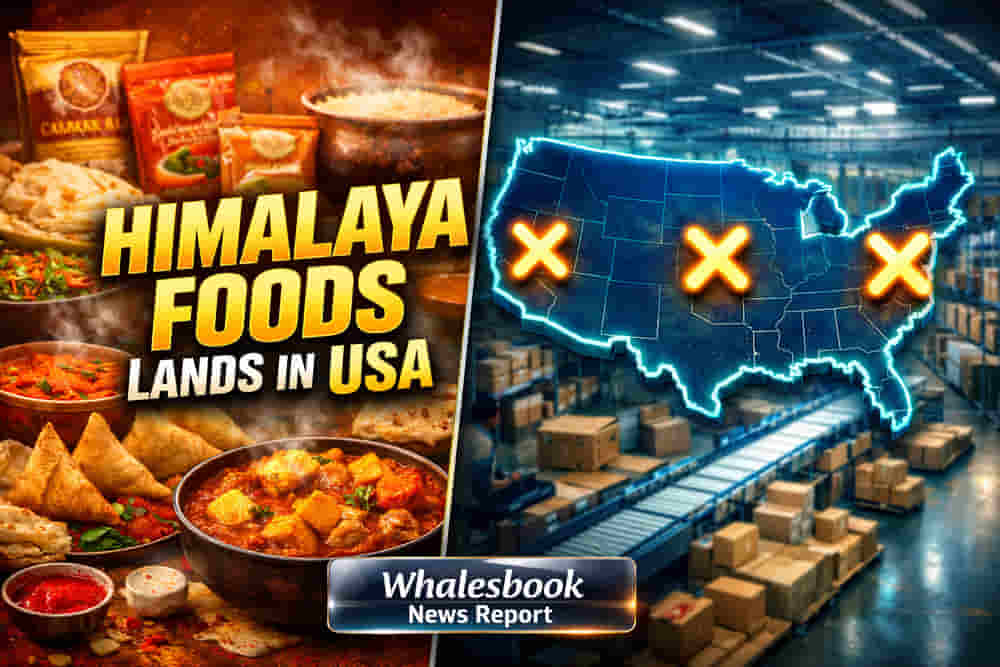


Strategic Analysis & Impact
Himalaya Food International Ltd. has made a significant stride by officially entering the lucrative United States market. The company announced it has successfully completed product registration and achieved the status of a 'Regular Approved Vendor' with US Foods, one of the largest foodservice distributors in the U.S..
This achievement is a critical step for Himalaya Food International, moving beyond mere export possibilities to establishing a formal supply chain relationship within the vast American foodservice industry. Being an approved vendor means Himalaya Food's products will now be available to US Foods' extensive network of restaurants, hotels, and institutional clients across the United States. This greatly enhances the company's market visibility and opens up substantial growth prospects in North America, a market known for its demand for diverse and quality food products.
Historically, Indian food companies have focused on ethnic grocery channels in the US. However, partnerships with major distributors like US Foods allow for broader penetration into the mainstream foodservice sector, which is a much larger opportunity. This move signifies Himalaya Food International's ambition to scale its international operations significantly.
Risks & Outlook
While this expansion is a positive development, challenges lie ahead. Successfully navigating the competitive U.S. food market, meeting stringent quality and safety standards consistently, and managing complex logistics will be crucial. Building brand recognition and securing shelf space against established players will require sustained marketing efforts and product differentiation. Investors will be watching to see how quickly Himalaya Food International can translate this vendor approval into significant sales volumes and profitability.
Peer Comparison
The Indian packaged food sector has seen increased focus on exports. Companies like Britannia Industries and Nestle India (though a global entity with Indian operations) have established strong domestic bases and are also expanding their international footprints, often through diverse distribution channels. For smaller, specialized exporters, securing a deal with a major distributor like US Foods is a game-changer, potentially setting them apart from competitors who primarily rely on smaller ethnic stores or direct-to-consumer models in foreign markets. The success of Himalaya Food International's US venture will be a key indicator for other Indian food companies looking to tap into global markets. For instance, players like DFM Foods focus more on the domestic snacks market, while Prataap Snacks also has a significant domestic presence. Entry into a market as large as the US via a major distributor is a notable strategic play for a company of Himalaya Food's size within the Indian context.