 Whalesbook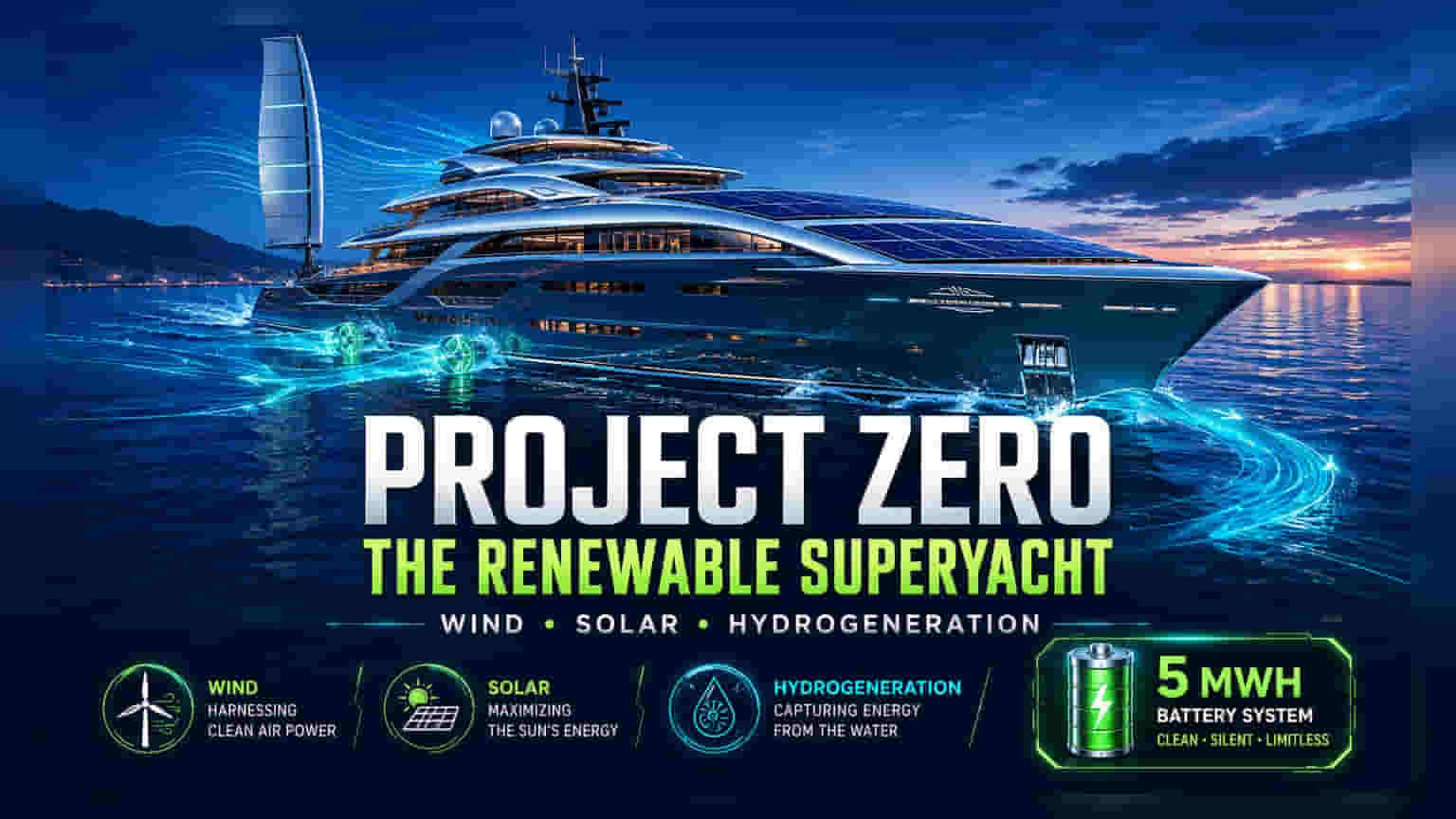


What Happened
Vripack, a Dutch design studio, is finalizing the construction of "Project Zero," a 230-foot superyacht that operates entirely on renewable energy. Built at the Vitters shipyard in the Netherlands, the vessel is designed to eliminate the need for traditional combustion engines. Instead, it relies on a combination of wind, solar, and hydrogeneration technology to power its systems. The yacht is equipped with a five-megawatt-hour battery storage system, which the company states is comparable to the capacity found in dozens of electric vehicles.
Why This Matters for Investors
While "Project Zero" is a private luxury project, it serves as a significant case study for the advancement of renewable energy and battery storage technology. Investors following the green energy transition often look to high-end, bespoke engineering projects for early signals on technological limits and capabilities. The ability to integrate such high-capacity energy storage into a mobile, marine environment demonstrates the maturing state of battery technology. For those tracking the broader clean energy market, the innovation here—particularly in managing high-density energy storage and renewable generation—parallels the challenges and developments currently facing the global automotive and industrial storage sectors.
The Technology Shift
The yacht integrates multiple energy-harvesting systems. A standout feature is the hydrogeneration system, where turbine propellers convert the vessel's movement through water into electricity. Combined with a displacement hull optimized with data from elite racing engineering, this design aims to maximize both speed and energy capture. The yacht also uses 1,076 square feet of solar panels and wind energy harvesting to maintain its power supply. This multi-source energy strategy is a common theme in the push for grid independence and efficiency, a goal that many companies in the renewable technology space are currently striving to achieve at a mass-market scale.
The Bigger Business Context
The maritime sector is under increasing pressure to reduce its carbon footprint, much like the automotive and aviation industries. As regulations regarding emissions tighten globally, companies that develop efficient propulsion systems, battery management software, and renewable energy integration tools are finding more opportunities. Projects like this highlight that the bottleneck for green transition is often not the lack of energy, but the efficiency of storage and conversion. The success or failure of such high-end projects provides real-world data on battery longevity, weight-to-energy ratios, and system reliability.
What Could Go Wrong
Even in high-end projects, the shift toward all-electric systems faces significant risks. The primary challenge remains the cost and weight of large-scale battery storage, which can impact the payload and performance of any vessel or vehicle. Furthermore, reliance on exotic or specific materials for battery manufacturing can lead to supply chain vulnerabilities. For the broader industry, there is also the risk of regulatory lag, where safety standards for high-capacity battery systems on moving vessels or in public grids may evolve slower than the technology itself, potentially leading to compliance hurdles or design changes.
What Investors Should Track
Investors interested in the green technology sector should monitor broader trends rather than individual private projects. Key monitorables include the decline in battery manufacturing costs, improvements in energy density, and the rollout of infrastructure that supports high-capacity renewable storage. Market trends in material costs—specifically for lithium, cobalt, and nickel—remain vital for understanding the profitability and scalability of electric propulsion systems. Additionally, advancements in energy harvesting efficiency, such as the hydrogeneration and solar techniques showcased here, will continue to be relevant for any company involved in the renewable energy supply chain.