 Whalesbook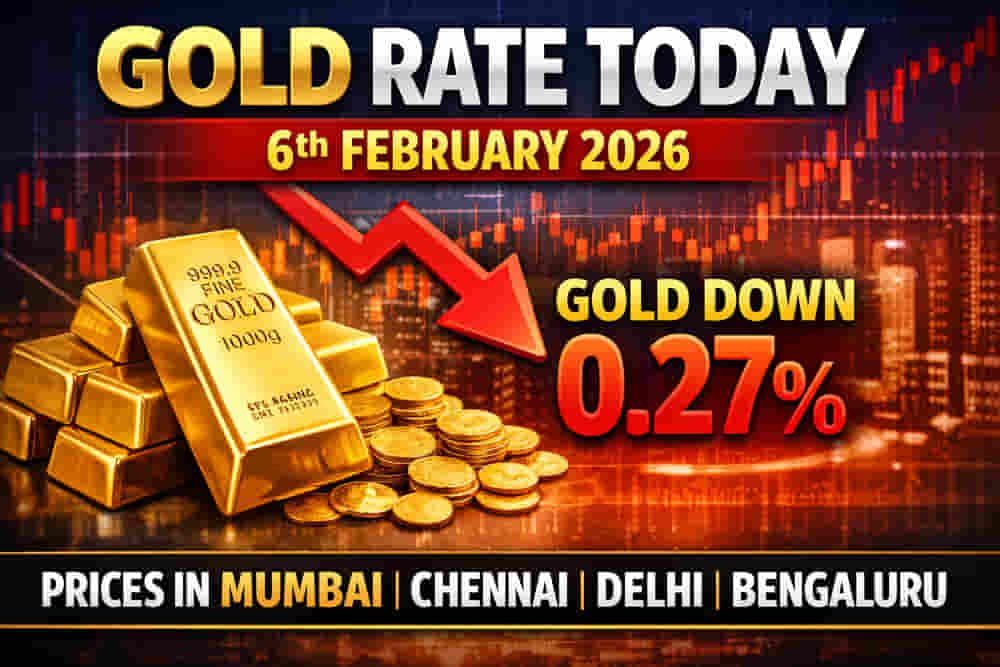
### The Valuation Disconnect
Gold prices experienced a downward correction on February 6, 2026, with 24-carat gold futures shedding value. This immediate pressure stemmed significantly from increased margin requirements implemented by the CME Group on gold futures contracts, rising to 9% from 8%. This technical adjustment aims to curb speculative excess and can accelerate price declines. Concurrently, a narrative of US dollar strength, purportedly buoyed by a sell-off in technology equities, contributed to making the precious metal more expensive for non-dollar holders, thereby dampening immediate demand. Despite a slight daily dip, the US Dollar Index (DXY) had been trading near two-week highs, reflecting a complex market sentiment driven by both economic resilience and geopolitical factors.
### Geopolitical Undercurrents and Safe-Haven Appeal
While immediate market sentiment was swayed by technical factors and dollar dynamics, the broader geopolitical landscape continues to underpin gold's appeal as a safe-haven asset. Easing tensions, such as anticipated talks between the US and Iran, and positive diplomatic exchanges between President Trump and President Xi Jinping, temporarily diminished gold's traditional role as a hedge against conflict [cite: Input text]. However, historical patterns demonstrate that geopolitical instability, including trade disputes and regional tensions, consistently fuels demand for gold. Central banks, particularly in BRICS nations, have continued to accumulate gold reserves, seeking alternatives to dollar-denominated assets amidst concerns over sanctions and currency stability.
### India's Persistent Gold Premium
Domestic gold prices in India remain notably higher than international benchmarks, specifically Dubai. On February 6, 2026, 24-carat gold in India was priced at ₹151,770 per 10 grams, a substantial premium of ₹8,287 or 5.78% over Dubai's rate of ₹143,483 [cite: Input text]. This persistent differential is largely attributable to India's import duties, taxes, and local market dynamics, making gold purchases more costly within the country compared to global hubs like Dubai.
### Fundamental Support: Rate Cut Expectations
A significant tailwind for gold persists in the form of anticipated monetary policy easing by the US Federal Reserve. The Fed maintained its benchmark interest rate in the 3.5%–3.75% target range in its January 2026 meeting, aligning with market expectations. While policymakers appear divided on the pace, markets are broadly pricing in rate cuts throughout 2026, driven by signs of a stabilizing labor market and persistent, albeit somewhat elevated, inflation. As a non-interest-yielding asset, gold typically performs well in an environment of lower interest rates, providing a fundamental floor for prices.
### Sector Performance and ETF Flows
In contrast to gold's relative resilience, silver and its associated ETFs have experienced a much sharper downturn. On February 5, 2026, silver ETFs saw declines ranging from 12% to over 21%, significantly outstripping the approximately 5.5% drop in gold ETFs. This disparity highlights silver's greater volatility, influenced by its dual role as an industrial commodity and a safe-haven asset. Despite the near-term price pullback, global physically-backed gold ETFs attracted substantial inflows in January 2026, reaching record assets under management and collective holdings, indicating sustained institutional interest.