

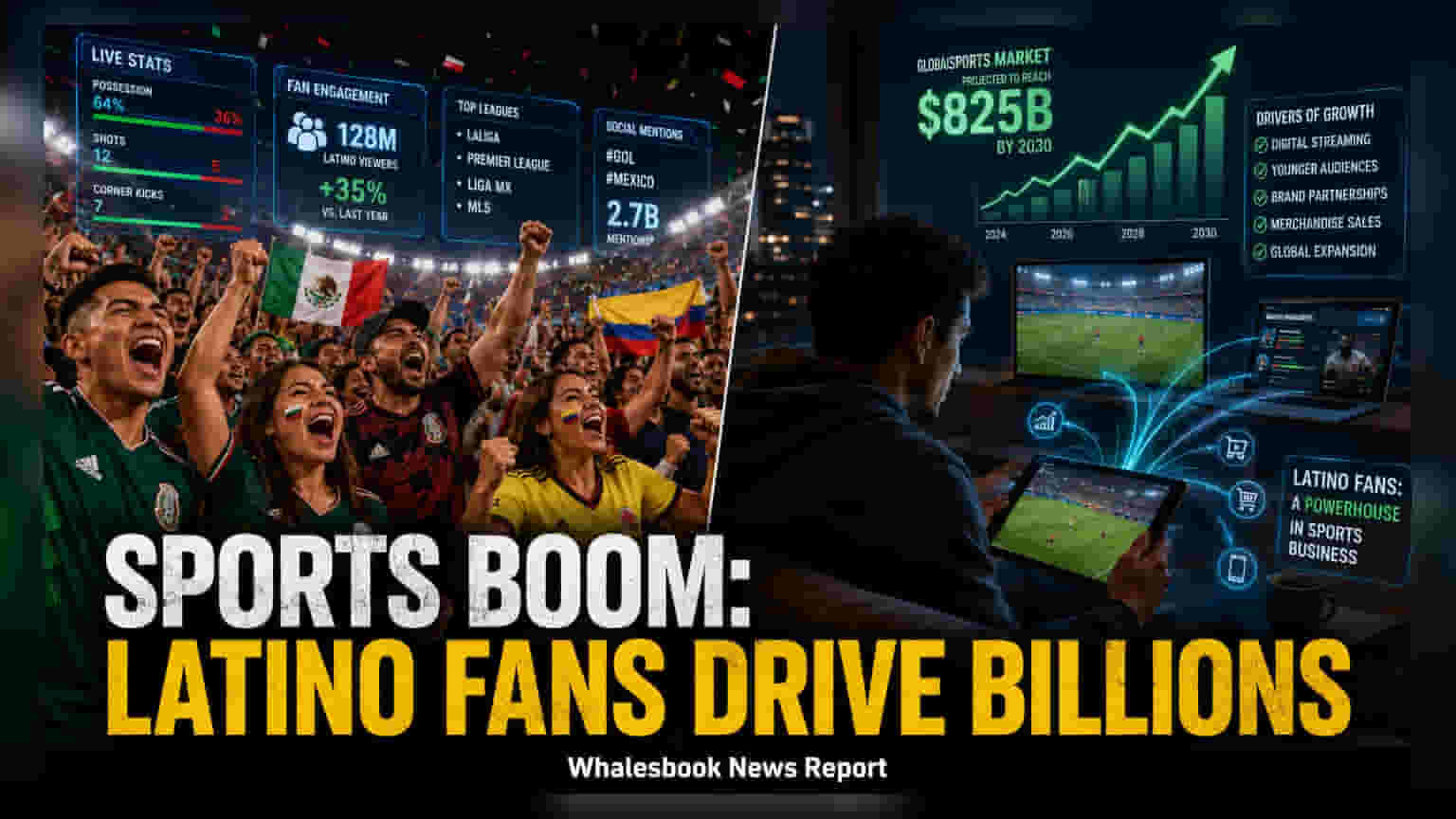
The global sports economy is set to grow from $165 billion to over $320 billion in the next decade. Latino consumers are expected to drive one-third of this expansion, creating new opportunities for sports leagues and brands. Investors should note that successful growth will depend on companies adapting to diverse, digitally-engaged audience preferences.
The global sports sector is entering a period of significant transition, with projections suggesting the market will nearly double in size over the next ten years. According to recent research from McKinsey, the industry is expected to expand from a valuation of approximately $165 billion to more than $320 billion by 2036. This growth trajectory is being shaped by changing consumption habits, with Latino audiences identified as a primary catalyst for future demand.
Latino Fan Base and Spending Patterns
The rising commercial influence of Latino fans is driven by their high level of engagement with sports content and a willingness to spend more on sports-related experiences compared to other segments. For these consumers, sporting events often function as core venues for community and family interaction. Major international events have demonstrated this influence, as high viewership and active participation in digital communities translate into deeper brand associations. As sports shift toward becoming platforms for identity and cultural representation, organizations that successfully connect with these community-driven values may see stronger long-term fan loyalty.
Strategic Challenges and Digital Engagement
While the growth potential is clear, the report cautions that a one-size-fits-all strategy is unlikely to succeed. Preferences among Latino fans vary significantly based on geography and cultural background. For example, sports organizations must navigate different regional passions, where soccer remains the dominant sport in much of South America, while baseball holds greater appeal in parts of the Caribbean. Furthermore, digital habits are playing a crucial role in how this demographic interacts with content. Many fans now engage through multiple channels, such as watching live broadcasts on television while simultaneously consuming supplementary digital content on mobile devices.
To capture this market, organizations are increasingly turning to advanced analytics and artificial intelligence. However, the use of these technologies comes with the risk of misinterpretation; poorly executed, non-culturally relevant campaigns can damage consumer trust. Companies are therefore balancing technological tools with human insights to deliver content that resonates in English, Spanish, or bilingual formats.
Monitoring Youth Participation and Infrastructure
Beyond direct fan engagement, youth sports are emerging as a vital sub-segment, currently accounting for about 15 percent of the total sports economy. Investment in youth leagues is viewed as a way to build long-term brand equity by influencing parental choices and fostering early participation. For investors and stakeholders, the key monitorables moving forward will be how major sports leagues and media companies adjust their infrastructure to support increased accessibility and diverse leadership. The ability of these entities to effectively segment their strategies to match diverse audience preferences will likely determine their share of this expanding global market.