

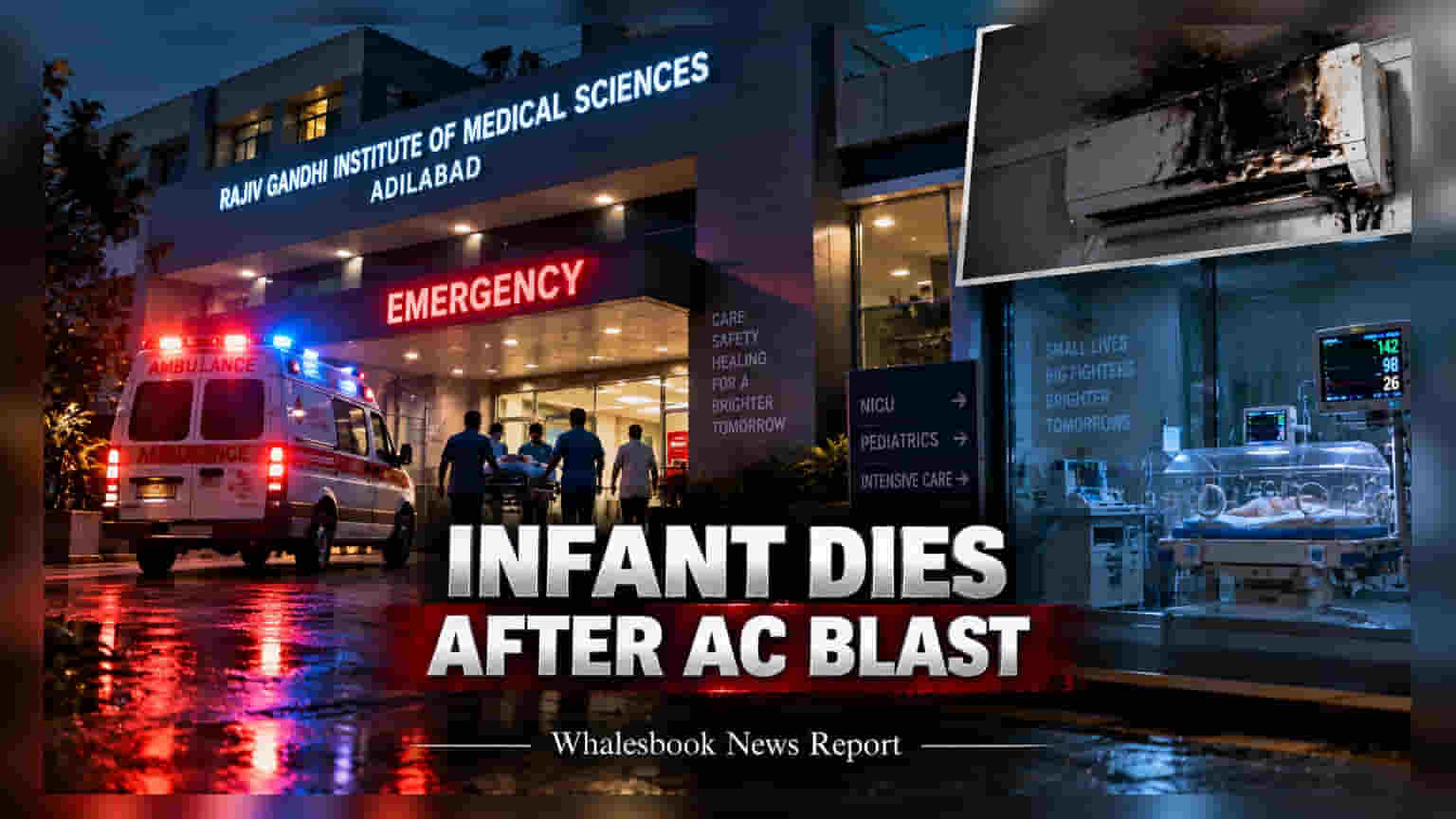
A short circuit in an air-conditioner at the Rajiv Gandhi Institute of Medical Sciences in Adilabad led to a fire, resulting in the death of a five-day-old infant. Authorities have launched a formal inquiry into maintenance and safety protocols. The incident raises concerns about fire safety standards in public healthcare infrastructure, similar to recent events in other states.
A fire caused by an air-conditioner malfunction at the Rajiv Gandhi Institute of Medical Sciences (RIMS) in Adilabad, Telangana, resulted in the tragic death of a five-day-old infant on Monday night. The fire, which broke out in the Neonatal Intensive Care Unit (NICU) around 11:40 pm, was reportedly triggered by an electrical short circuit. The incident led to immediate panic as smoke filled the ward, forcing an emergency evacuation of 24 newborns present in the facility.
Emergency Response and Inquiry
Local authorities, including police and fire department officials, collaborated with medical staff to rescue 23 infants during the evacuation. These infants were relocated to nearby healthcare facilities for monitoring and continued care. During the operation, three security personnel also sustained injuries while assisting in the rescue. Following the incident, District Collector Rajarshi Shah confirmed that the fire was contained without causing structural damage to the main hospital campus. The administration has initiated a formal inquiry to investigate the cause of the electrical fault and to determine if proper maintenance and safety protocols were being followed by the institution.
Healthcare Infrastructure and Safety Concerns
This incident highlights significant challenges regarding fire safety and equipment maintenance in public healthcare facilities. The recurrence of such events—notably the recent fire at the District Women's Hospital in Amravati, Maharashtra, which was also caused by a ventilator-related electrical issue—has put pressure on state authorities to conduct comprehensive safety audits. Ensuring that life-saving equipment and cooling systems in high-risk areas like NICUs meet current safety standards is critical for both patient safety and administrative accountability.
While this event involves a government-run hospital, it brings attention to the broader importance of fire compliance in the healthcare sector. Investors and industry observers often track how such systemic risks affect public policy, including the allocation of funds for infrastructure upgrades, fire safety compliance, and hospital maintenance. In the private hospital sector, which competes for patient trust, maintaining high safety standards is a key operational metric. Regulatory changes or stricter safety audits resulting from such tragedies can impact operational costs for healthcare providers as they update fire prevention systems and replace ageing electrical infrastructure.
Looking ahead, the focus will be on the findings of the inquiry into the Adilabad facility. Key monitorables for stakeholders include whether the state government will mandate a universal audit of NICU equipment and electrical safety systems across all public hospitals to prevent similar recurring tragedies.