

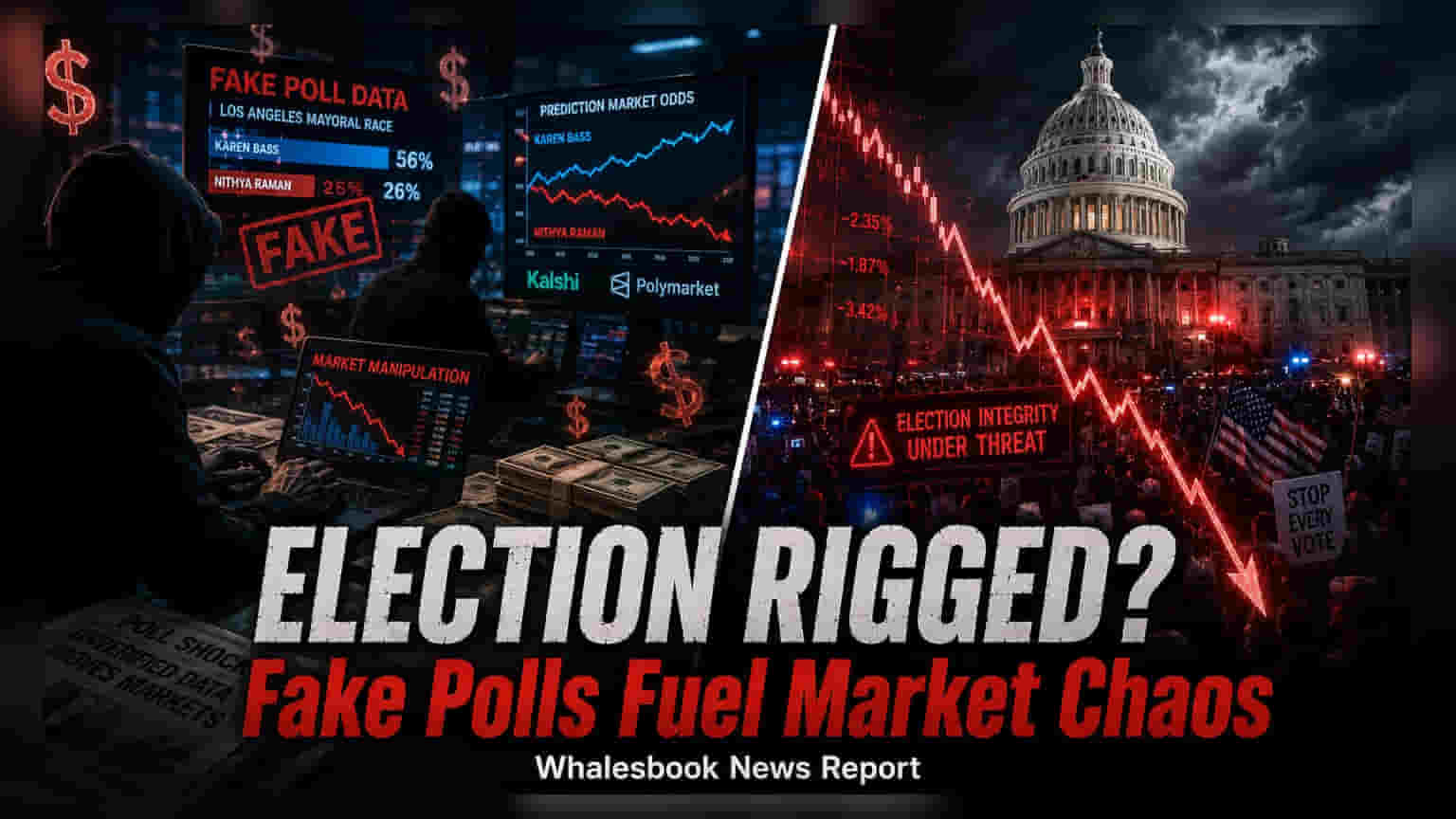
Fabricated polling data from 'Median Strategies' has infiltrated prediction markets like Kalshi and Polymarket, triggering alarms about market manipulation. This incident underscores the growing risk in election-betting platforms, as regulators weigh the integrity of these speculative assets against the threat of misinformation.
The rise of prediction markets as a way to wager on election outcomes has hit a major obstacle as bad actors turn to fabricated polling data to manipulate odds. Recent events involving a firm known as 'Median Strategies' have highlighted how easily misinformation can be injected into these platforms to influence investor perception and, potentially, financial outcomes.
Prediction markets like Kalshi and Polymarket allow users to place money on the results of future events, such as elections. These platforms have gained traction by positioning themselves as alternatives to traditional polling, often touting the 'wisdom of the crowd.' However, the incident involving Median Strategies, which admitted to releasing fake polls for the Los Angeles mayoral race, has exposed a critical vulnerability: these markets rely heavily on the accuracy of the information participants consume.
When fake data is introduced, it can cause rapid shifts in the odds traded on these platforms. In the case of the Los Angeles mayoral contest between Karen Bass and Nithya Raman, fabricated numbers suggested a lead that did not exist, leading to price movements that benefited certain market positions. While the specific financial impact on individual traders remains private, the incident proves that bad actors can attempt to profit by swaying market sentiment with unverified information.
Regulatory agencies are paying close attention to these developments. The Commodity Futures Trading Commission (CFTC) has previously expressed concerns that election betting markets lack the regulatory oversight necessary to prevent fraud and manipulation. As these platforms continue to grow, the risk of 'market-moving' misinformation creates a systemic issue for anyone viewing them as reliable indicators or, more importantly, financial investment venues.
The broader concern for the public and market participants is the erosion of trust. When prediction markets are used as proxies for political reality, their manipulation does not just affect the people betting; it can distort the public discourse by creating a false sense of momentum. For election officials, this represents a two-fold threat: the spread of election misinformation and the potential for these markets to be used as tools to undermine faith in democratic processes.
Looking ahead, the key monitorable for the industry is how regulators will respond to these events. The push to tighten oversight on prediction markets is likely to intensify, as authorities weigh whether the risks of manipulation and public misinformation outweigh the speculative utility of these platforms. Participants in such markets should expect increased scrutiny and potentially stricter rules regarding data verification and market integrity in the coming months.