

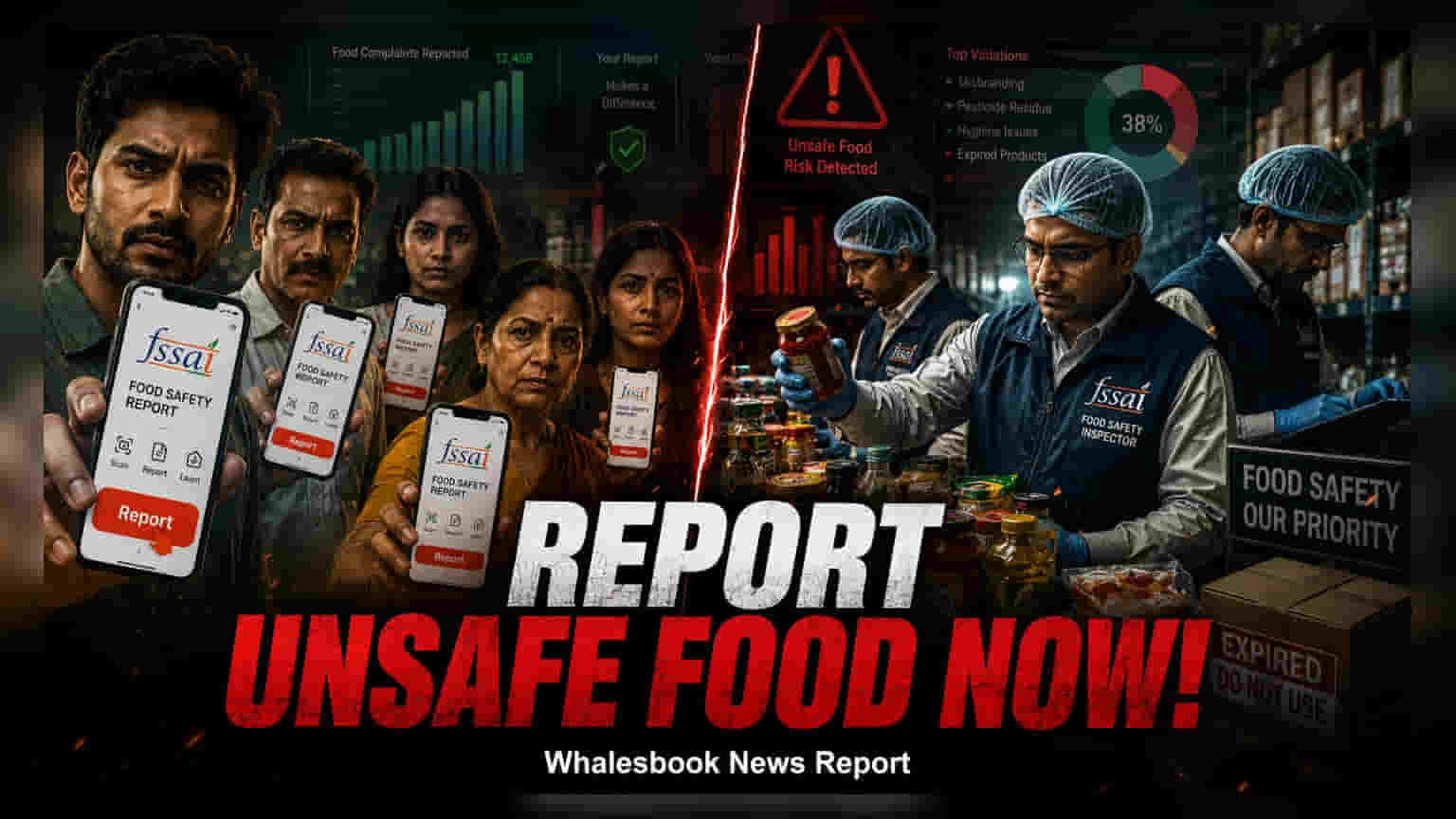
The FSSAI has issued nine notices to Swiggy Instamart following consumer complaints about spoiled and expired food products. The regulator is demanding a detailed explanation regarding quality control and licensing compliance, warning of potential legal action. This move is part of a broader push to tighten safety standards in the quick-commerce sector through increased inspections and public reporting.
The Food Safety and Standards Authority of India (FSSAI) is tightening its oversight of the quick-commerce sector following a series of consumer complaints regarding the quality of goods delivered by Swiggy Instamart. The regulator has issued nine formal notices to the platform, citing multiple grievances that include the delivery of expired, spoiled, and contaminated food items. Reported issues range from damaged packaging to the presence of spoiled perishables like eggs and expired health supplements.
Regulatory Scrutiny and Compliance Requirements
Beyond product quality concerns, the FSSAI is investigating potential licensing irregularities and gaps in seller compliance on the Swiggy Instamart platform. The regulator has officially asked the company to provide a comprehensive explanation regarding its inventory management, quality assurance protocols, and internal systems for resolving consumer grievances. This is a critical monitorable for the business, as failure to provide a satisfactory compliance report could trigger legal proceedings under the Food Safety and Standards Act, 2006. In response to the regulatory action, Swiggy Instamart has indicated it is reviewing the specific listings mentioned and is working with food safety authorities to address the raised concerns.
Broader Impact on Quick-Commerce
This enforcement action highlights the rising pressure on quick-commerce platforms as they scale their operations. While these companies promise rapid delivery, the challenge of maintaining strict quality and hygiene standards across a vast network of dark stores and third-party sellers remains significant. The FSSAI has also recently demonstrated its intent to enforce standards more strictly in other parts of the supply chain, such as its recent closure of a spice manufacturing unit in Lucknow due to alleged adulteration. By encouraging citizens to use the Food Safety Connect App to report hygiene violations, the regulator is shifting toward a model that relies on both institutional inspections and grassroots monitoring.
Investors and stakeholders will now watch how platforms like Swiggy Instamart adjust their seller vetting and quality-check processes. The primary risk for such companies is that heightened regulatory scrutiny could lead to increased operational costs or potential disruptions if platforms are forced to pause operations for certain sellers or categories to ensure safety compliance. The next key update will be the outcome of the compliance report submitted by the company and whether the regulator takes further penal action.