

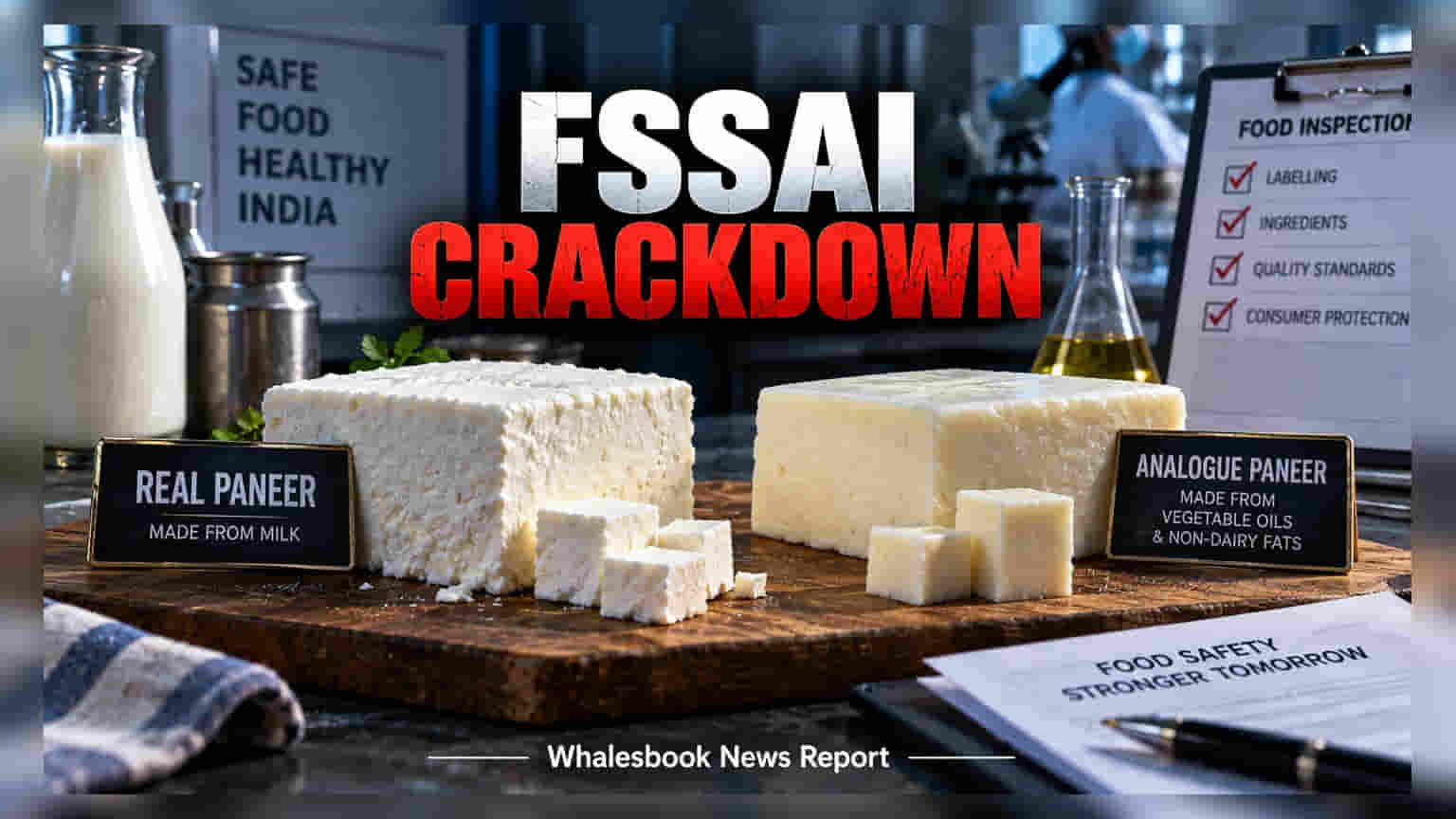
The Food Safety and Standards Authority of India (FSSAI) has issued draft regulations to prohibit the use of the term 'paneer' for non-dairy imitation products. This move aims to standardize dairy labeling and prevent consumer confusion. Established dairy companies may benefit from reduced price-based competition, while firms selling synthetic alternatives must now prepare to revise their branding strategies.
The Food Safety and Standards Authority of India (FSSAI) has initiated a significant regulatory update regarding the sale of 'analogue paneer.' Through a new draft amendment, the regulator aims to restrict the use of the 'paneer' label exclusively to traditional dairy-based products. This move effectively targets food manufacturers who use non-dairy fats, vegetable oils, or other synthetic components to create products that mimic the texture and appearance of paneer but lack its nutritional profile.
Impact on Dairy Market and Labeling
For the Indian dairy industry, this regulation is a critical development. Genuine dairy companies, which rely on milk procurement from farmers, have often faced pricing pressure from cheaper, vegetable-fat-based alternatives marketed under the same name. By requiring a distinct identity for these products, the FSSAI seeks to eliminate the unfair price undercutting that genuine dairy players have struggled with in retail shelves. Companies currently selling these imitation products under the 'paneer' tag will now be forced to overhaul their branding and packaging, as they will be strictly prohibited from using the term 'paneer' in any marketing or product descriptions.
Regulatory Precedence and Enforcement
The federal move comes after nine states, including major dairy markets like Maharashtra, Gujarat, Madhya Pradesh, and Karnataka, already implemented localized bans or strict restrictions on the production and distribution of analogue paneer. By moving towards a national standard, the FSSAI intends to close loopholes that allowed these products to circulate in regions without existing bans. The regulator has also tasked state-level Food and Drug Administrations with enhancing surveillance, particularly ahead of the festival season when demand for dairy products spikes and the risk of food adulteration typically increases.
Investor and Consumer Perspective
For investors, this directive highlights the growing regulatory focus on transparency in the food and beverage sector. While the immediate impact is a compliance challenge for producers of dairy analogues, it provides a more level playing field for established dairy firms. Investors should monitor how these affected companies pivot their marketing strategies—either by transitioning to purely plant-based labeling or by adjusting their product portfolios to comply with the new dairy-specific definitions. The final implementation timeline will be determined after the current period of stakeholder consultation, which serves as a critical watchpoint for the industry.