

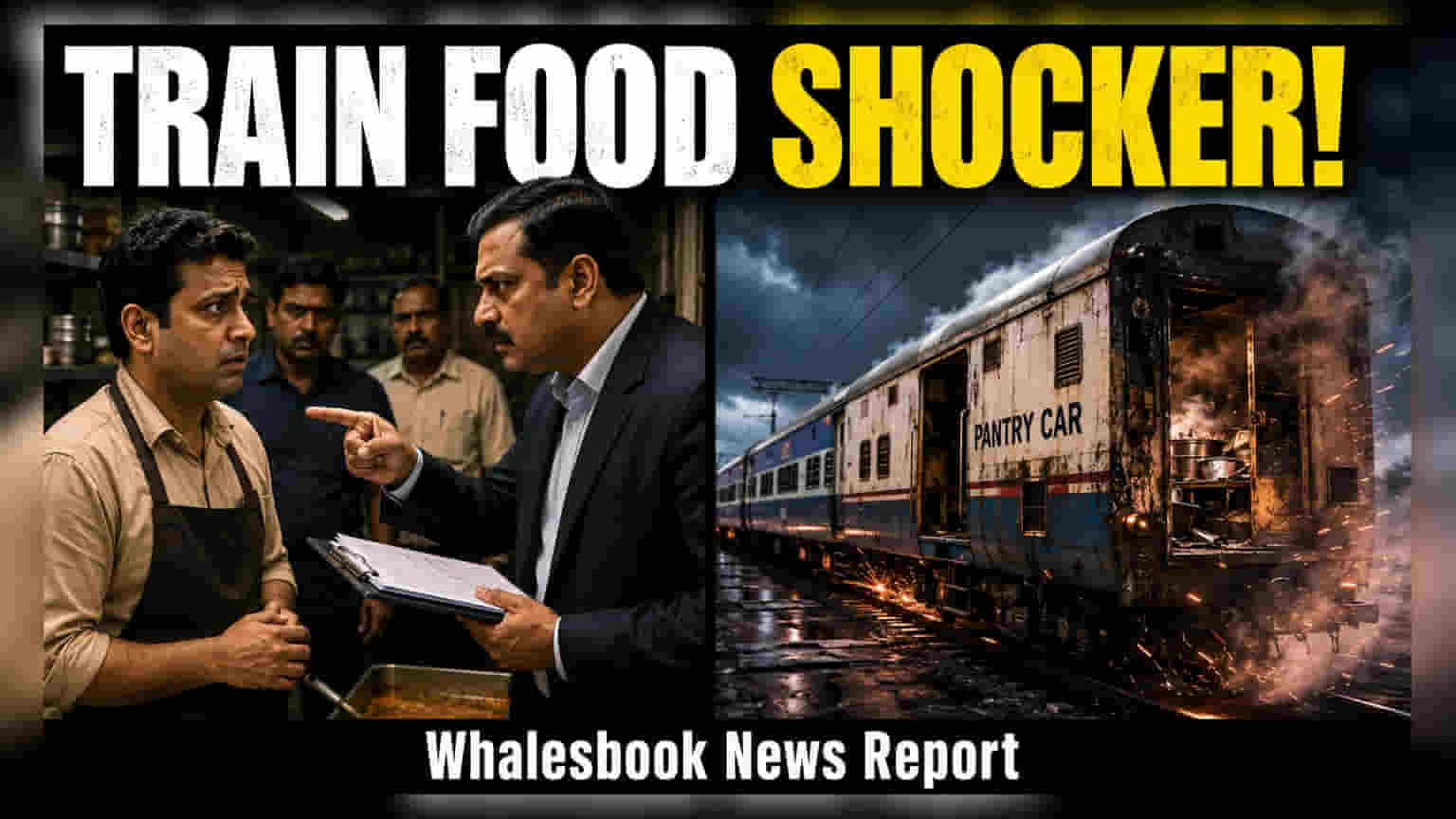
The food safety regulator FSSAI has fined Sopan Restaurant for serving substandard milk on the Chandigarh-Dibrugarh Express. The penalty follows lab results declaring a milk sample failed quality standards. This action highlights the regulator's intensified focus on food quality compliance across rail pantry services and manufacturing units.
Detailed Coverage
The Food Safety and Standards Authority of India (FSSAI) has taken enforcement action against Sopan Restaurant following the discovery of low-quality milk products in its operations. The regulator imposed a financial penalty after a sample of 'Nova Flavoured Double Toned Milk,' collected from the pantry car of the Chandigarh-Dibrugarh Express, was tested by the State Public Health Laboratory in Assam. The analysis concluded that the product did not meet the quality requirements established under the Food Safety and Standards Act, 2006.
Following the laboratory results, the Designated Officer for the Northeast Frontier Railway initiated formal legal proceedings against the operator. The adjudicating officer responsible for the case issued the final order confirming the violation and the subsequent penalty. While the exact financial amount of the fine was not publicly disclosed by the regulator, the case represents a formal regulatory intervention regarding food safety protocols in railway catering.
This incident is part of a larger, intensified enforcement drive by the FSSAI to address food safety concerns across India. The regulator has been increasing its scrutiny of food business operators, ranging from railway pantry contractors to large-scale manufacturing facilities. Recent regulatory actions include the suspension of manufacturing licenses for units found to be in violation of health norms and increased monitoring of labeling practices in the food and beverage industry.
For investors and stakeholders, these developments underscore a period of stricter regulatory oversight in the food service and processing sectors. The regulator is increasingly utilizing social media and public disclosure to highlight these enforcement actions, which can impact the brand reputation and operating continuity of food service providers. Moving forward, the industry is expected to face higher compliance costs as businesses upgrade quality control systems to avoid similar penalties. Investors may track whether such regulatory interventions lead to increased capital allocation toward food safety infrastructure and compliance management among companies operating in public catering and mass-scale food distribution.