

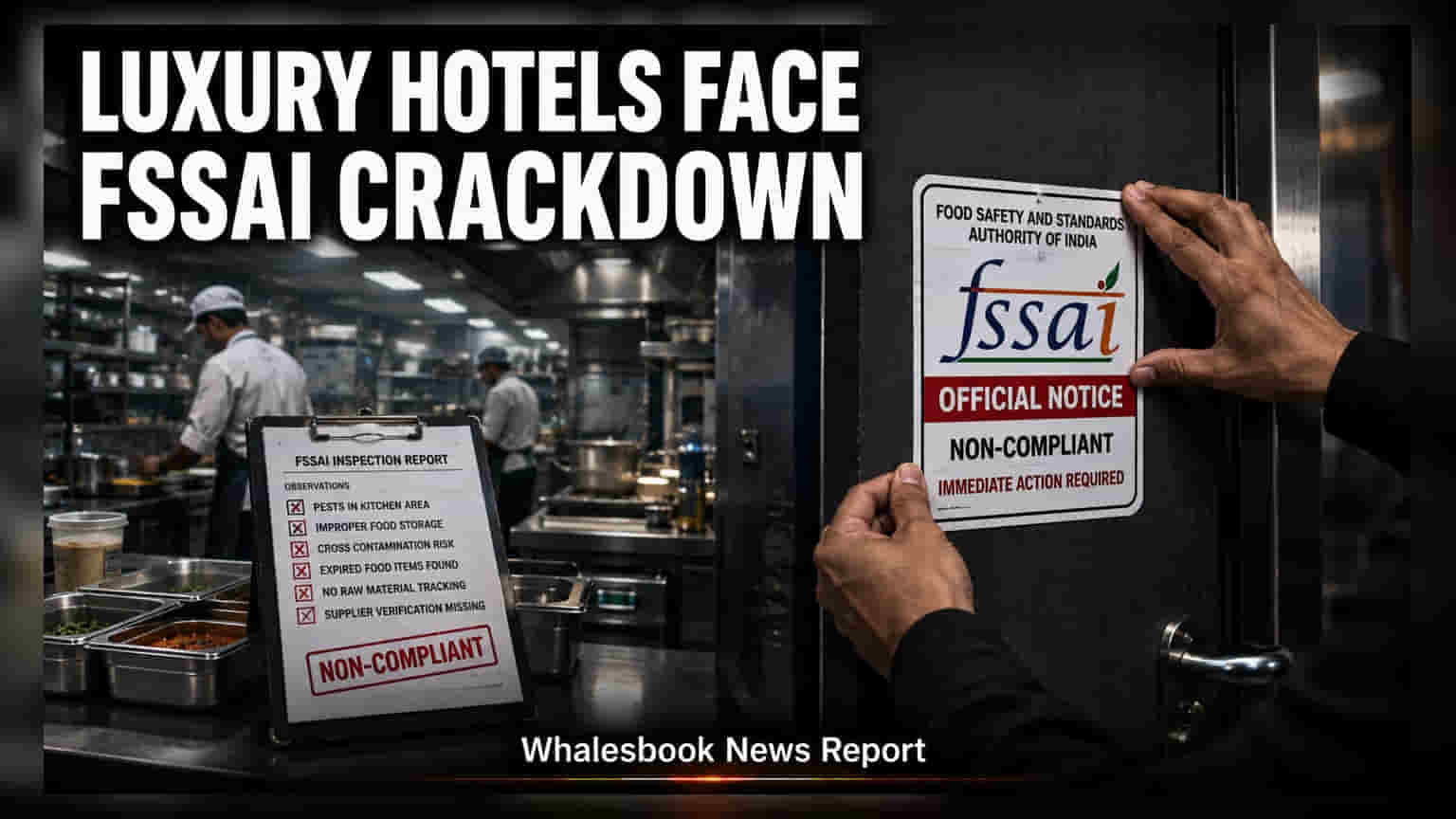
The Food Safety and Standards Authority of India (FSSAI) has issued formal notices to JW Marriott and Andaz Aerocity, both managed by Juniper Hotels, following inspections that uncovered severe hygiene and storage violations. The discovery of pests and expired food items at these luxury properties raises regulatory and reputational concerns, forcing the operator to initiate immediate corrective actions to comply with food safety standards.
The Food Safety and Standards Authority of India (FSSAI) has launched an enforcement action against two high-end hospitality properties in New Delhi—JW Marriott and Andaz Aerocity—after inspections revealed multiple violations of food safety and hygiene protocols. Both hotels are operated by Juniper Hotels. The regulator has issued formal notices requiring the company to address these issues immediately.
During the inspections, officials reported serious lapses in kitchen sanitation and food storage. Findings included the presence of pests such as cockroaches and flies in food preparation areas, as well as improper storage conditions that could lead to cross-contamination between vegetarian and non-vegetarian food. At the Andaz Aerocity location, inspectors flagged the presence of approximately 87 kilograms of expired items, including sweets, cake bases, and bread packets. Additionally, authorities noted that the facility lacked proper tracking for incoming raw materials and supplier verification.
For a luxury hospitality operator like Juniper Hotels, maintaining premium brand standards is essential for revenue and customer trust. This regulatory action brings both reputational and operational risks. The company is now required to rectify these non-compliances and provide documented proof to the regulator. If the issues are not resolved promptly or if lab reports from the seized samples indicate further health risks, the company could face financial penalties under the Food Safety and Standards Act of 2006.
Beyond immediate fines, the operational cost of implementing stricter sanitation protocols and the potential need for staff retraining could impact operational efficiency in the short term. The incident also highlights the importance of internal quality controls and supply chain management for hospitality chains managing high-volume, premium properties.
Investors may monitor the company’s official response and any further updates from the FSSAI regarding the sample analysis results. The key monitorable for shareholders is how quickly the management resolves these regulatory hurdles and whether the incident affects the brand reputation or guest occupancy at these specific properties in the upcoming quarters.