

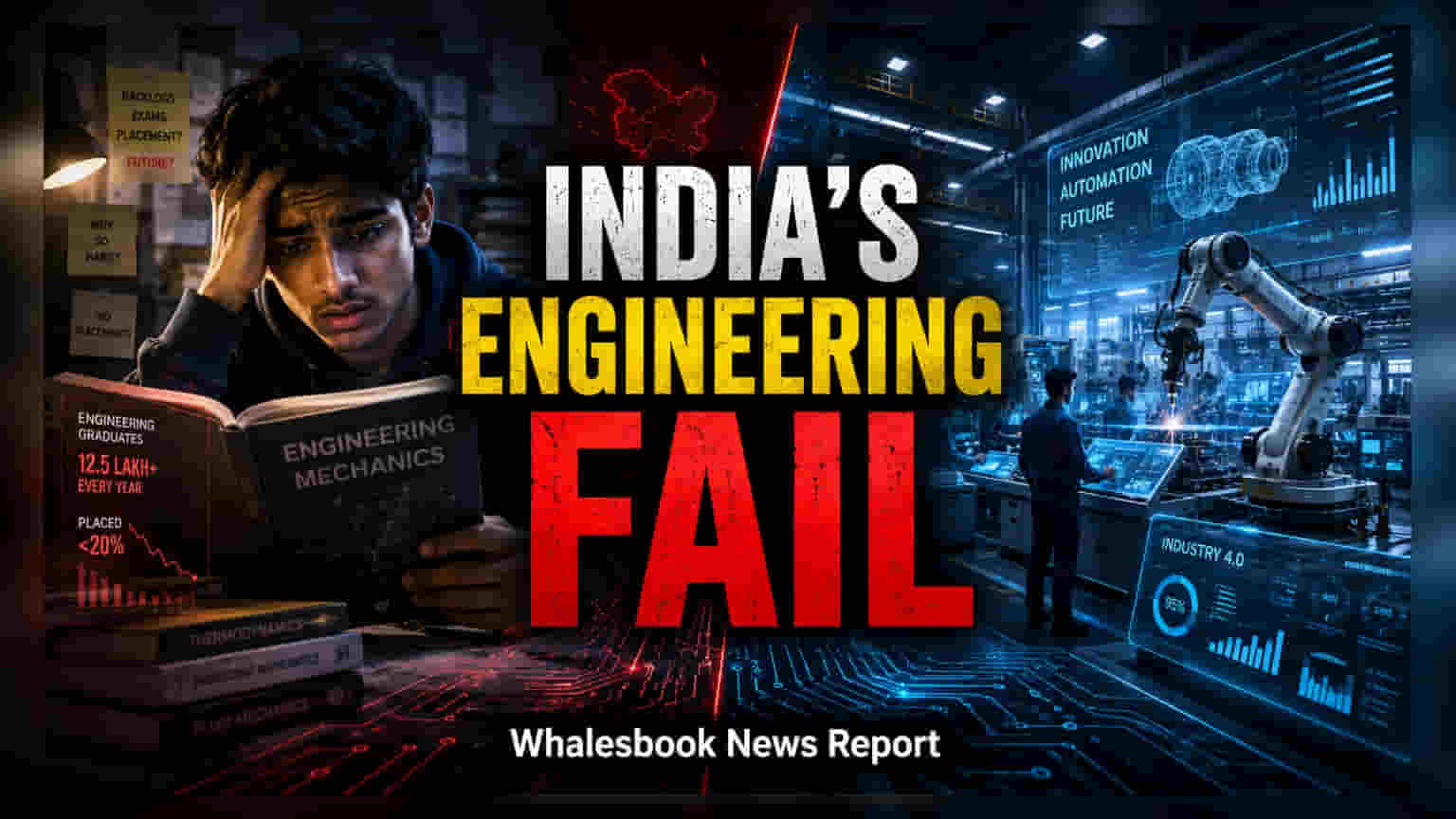
India’s engineering education system faces a mismatch with the specialized skill needs of high-growth sectors like clean energy, med-tech, and advanced manufacturing. This gap, highlighted by a reliance on outdated curricula, could limit domestic innovation and industrial efficiency. Investors should track how technical institutions adapt their programs to meet the demands of modern national missions.
Detailed Coverage
India’s current engineering education framework is facing scrutiny for its inability to align student skills with the country’s evolving economic priorities. While India continues to advance in areas like renewable energy, automotive manufacturing, and medical technology, the academic curricula in many institutions remain rooted in traditional departmental structures. This structural lag risks creating a workforce shortage in the specialized fields required for Industry 4.0 and beyond.
Challenges in Manufacturing and Energy
The manufacturing sector, which contributes approximately 17 percent to India's GDP, is undergoing a shift toward cyber-physical systems, digital twins, and additive manufacturing. Despite this transformation, many undergraduate programs lack specific tracks for these technologies. Similarly, in the energy sector, while India has made significant progress in renewable capacity, including investments in green hydrogen and battery storage, the absence of specialized academic pathways could slow the pace of domestic innovation in these high-value areas.
Med-Tech and Mobility Gaps
The medical technology sector presents a clear example of the current skill mismatch. Although India is a notable exporter of medical equipment, it continues to import roughly 75 percent of its medical devices. This dependency suggests that graduates are entering the workforce without the technical proficiency required for advanced fields like robotic surgery, implantable cardiac devices, and point-of-care diagnostics. In the mobility sector, which has become a complex integration of battery systems, hydrogen power, and autonomous driving, the lack of interdisciplinary programs often prevents students from grasping the full requirements of modern vehicle engineering.
The Future of Agricultural Technology
With nearly 40 percent of the Indian workforce still engaged in agriculture, the sector's modernization through IoT-based water management, AI-driven pest control, and precision farming represents a significant economic opportunity. However, these advancements require engineers skilled in data science and systems engineering rather than just traditional mechanical or civil disciplines. The slow pace of curriculum reform may prevent the industry from fully realizing its potential in productivity and food processing.
Investor Monitorables
The alignment of engineering education with national goals is a structural theme that can influence the long-term competitiveness of Indian industries. Investors may track whether higher education institutions begin to implement mission-driven programs in Agricultural Technologies, Mobility, and Energy. Success in these areas will be essential for the domestic scaling of industries that currently rely on imported technology or foreign specialized talent. Monitoring partnerships between industry leaders and universities for custom training programs may provide insights into which sectors are successfully addressing these skill gaps.