

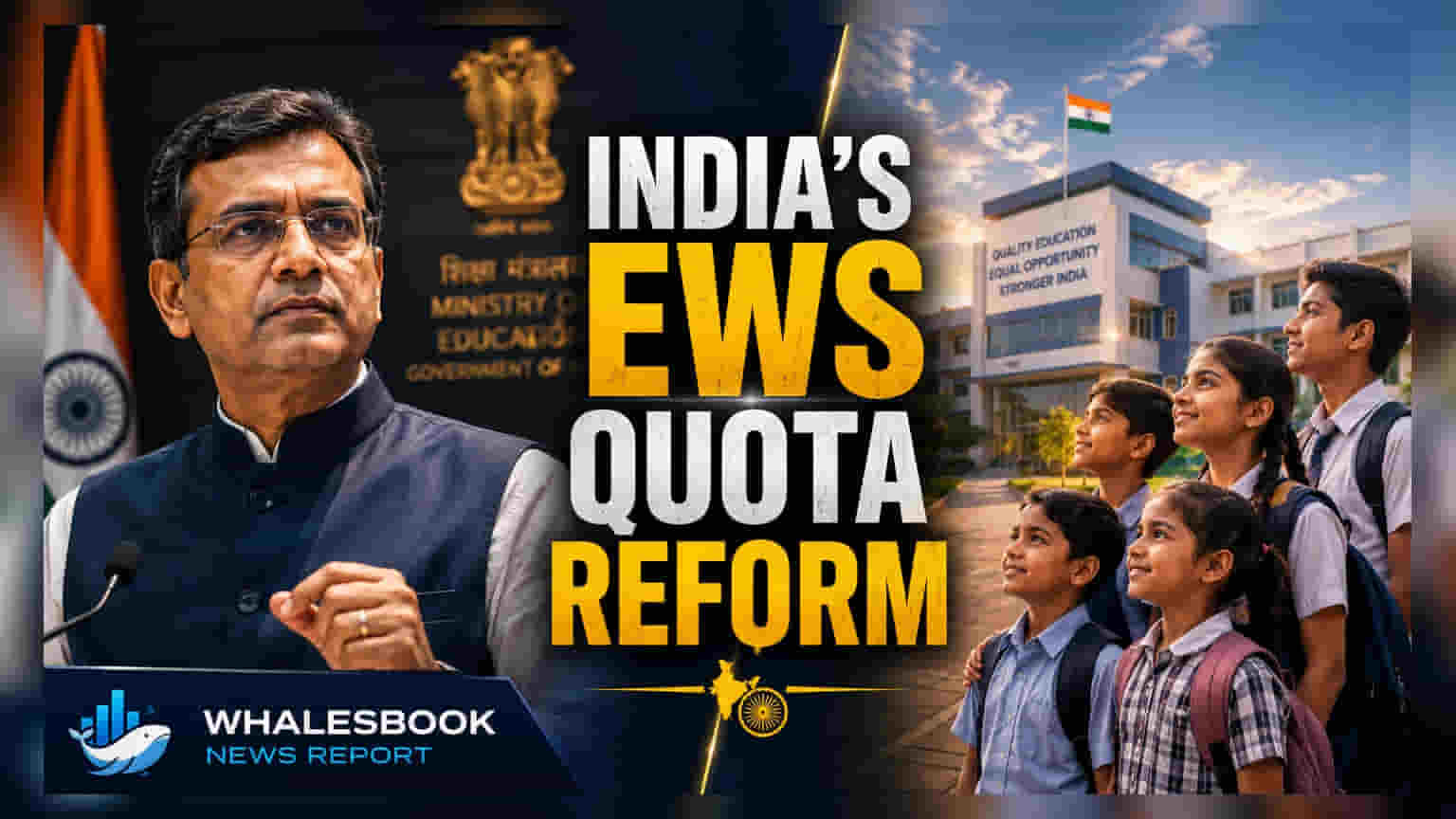
The Ministry of Education is directing states to formalize and reform rules for the 25% EWS quota under the Right to Education Act. The move follows a Supreme Court order aiming to remove admission barriers and ensure timely reimbursements for private schools. States are now working to update their regulatory frameworks to align with these legal directives.
The Ministry of Education has launched a nationwide initiative to standardize and simplify admission rules under the Right to Education (RTE) Act. This push follows a specific January 2026 Supreme Court directive in the Dinesh Biwaji Ashtikar vs State of Maharashtra case, which emphasized the mandatory 25% quota for children from economically weaker sections (EWS) in private schools.
Addressing Administrative and Financial Barriers
Central to these reforms is the effort to provide flexibility regarding the '1-km neighbourhood' norm, which often creates logistical challenges for student admissions. By potentially relaxing this geographic requirement, the ministry aims to increase the accessibility of private education for EWS students. Furthermore, the ministry is focusing on streamlining the reimbursement mechanism for private schools. Many private institutions have historically faced delays in receiving government compensation for the cost of educating EWS students. A more predictable and timely reimbursement process is intended to encourage better compliance from private school operators.
Implementation Across Indian States
During recent Samagra Shiksha Project Approval Board meetings held in June, the ministry engaged with 26 states and union territories. The objective is to transition from temporary executive orders to formal, state-level legislation that aligns with the Right to Education Act. States such as Assam, Haryana, Punjab, Kerala, and Andhra Pradesh are currently in the process of forming committees or setting specific timelines to draft and implement these updated rules.
For investors and stakeholders in the private education sector, these changes are significant. Private schools that have faced operational pressure due to unclear reimbursement schedules or strict geographic constraints may see increased clarity in their administrative obligations. The successful implementation of these rules will depend on how efficiently state governments process these reimbursements and whether the simplified norms lead to higher utilization of the reserved seats. The next monitorable for stakeholders will be the formal notification of these amended rules by individual state governments and the subsequent release of pending reimbursement payments to private institutions.