

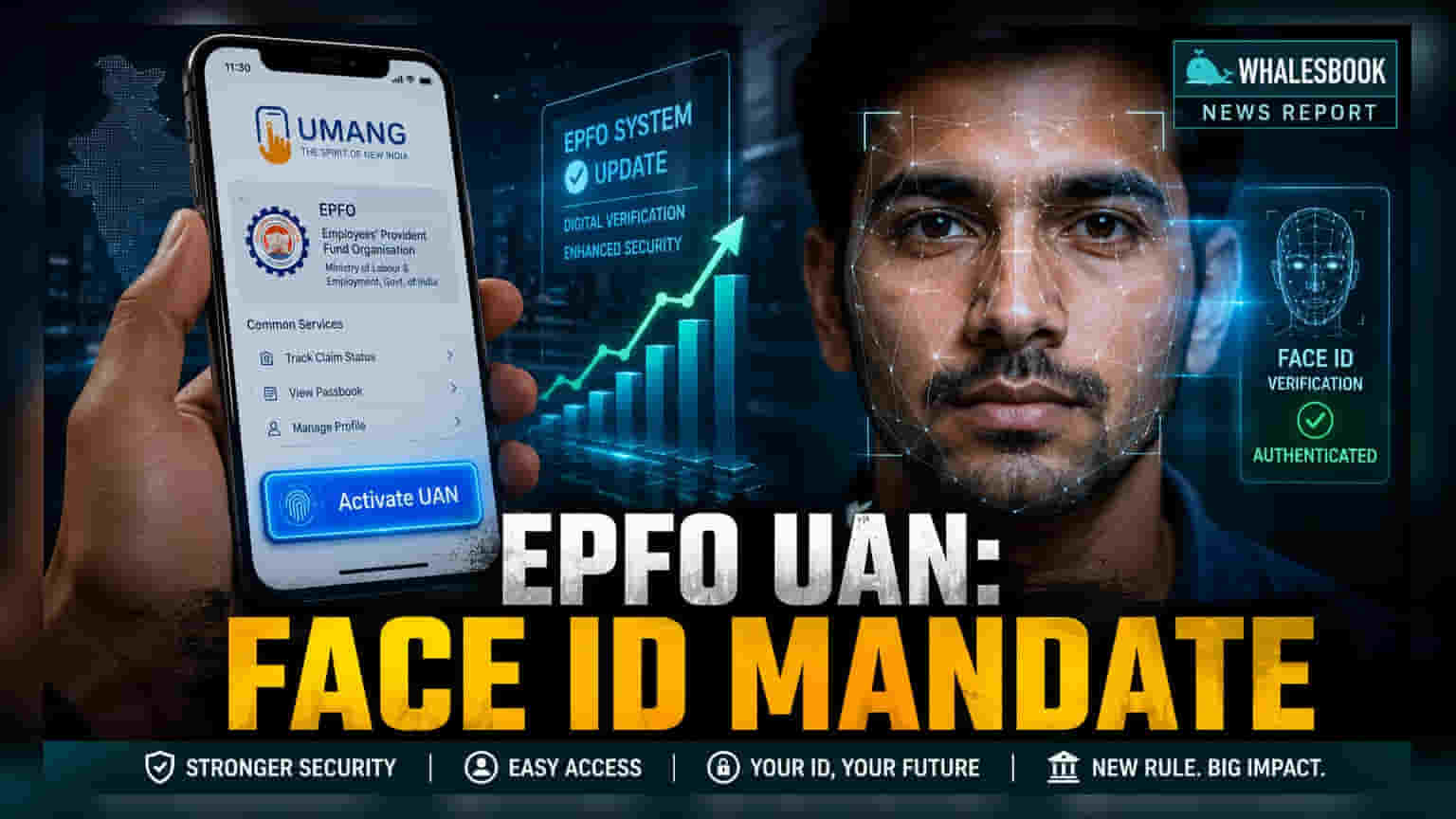
The Employees' Provident Fund Organisation has shifted all UAN activation and new generation services to the UMANG mobile application. This update, following a recent system upgrade, requires Aadhaar-based face authentication for all users. The move is designed to improve identity security and prevent the unauthorized use of member accounts.
The Employees' Provident Fund Organisation has officially completed a major system migration that significantly changes how members interact with their retirement accounts. Following a period of temporary service unavailability between June 26 and July 1, 2026, the retirement body has restructured its digital access points to prioritize tighter security measures.
Transition to UMANG for UAN Services
Previously, members could activate their Universal Account Numbers directly through the main EPFO web portal. Under the new guidelines, this process is no longer supported on the web interface. Instead, all members must now use the UMANG mobile application to perform tasks related to UAN activation and new UAN generation. This change marks a shift toward mobile-first governance for retirement services, aimed at streamlining user identity verification.
Enhanced Identity Verification Protocols
The central feature of this update is the mandatory use of Aadhaar-based face authentication. By moving these processes to the UMANG platform, the EPFO intends to reduce the reliance on traditional password-based or OTP-based verification, which have historically been vulnerable to phishing or unauthorized access. Users are required to navigate to the EPFO services section within the UMANG app and select the specific options for UAN activation or allotment. The system then prompts for face verification, which matches the user against their Aadhaar database records.
For millions of Indian employees, this update is a mandatory requirement for managing their provident fund contributions and withdrawal eligibility. While the shift increases security, it also necessitates that members ensure their Aadhaar details are updated and linked correctly to their mobile numbers. If a member's Aadhaar data does not match or if their device does not support high-resolution camera functions for face authentication, they may face difficulties in accessing these services.
Future Monitoring for Members
Investors and employees should track whether this transition leads to improved service uptime and reduced instances of fraudulent account activity. The next important update for members will be whether the EPFO expands this face authentication requirement to other services, such as final settlements or partial withdrawals, which are currently processed through existing portal methods. Members struggling with the app-based transition may need to verify their status through their respective employers or by visiting a local EPFO field office if the digital verification fails repeatedly.