

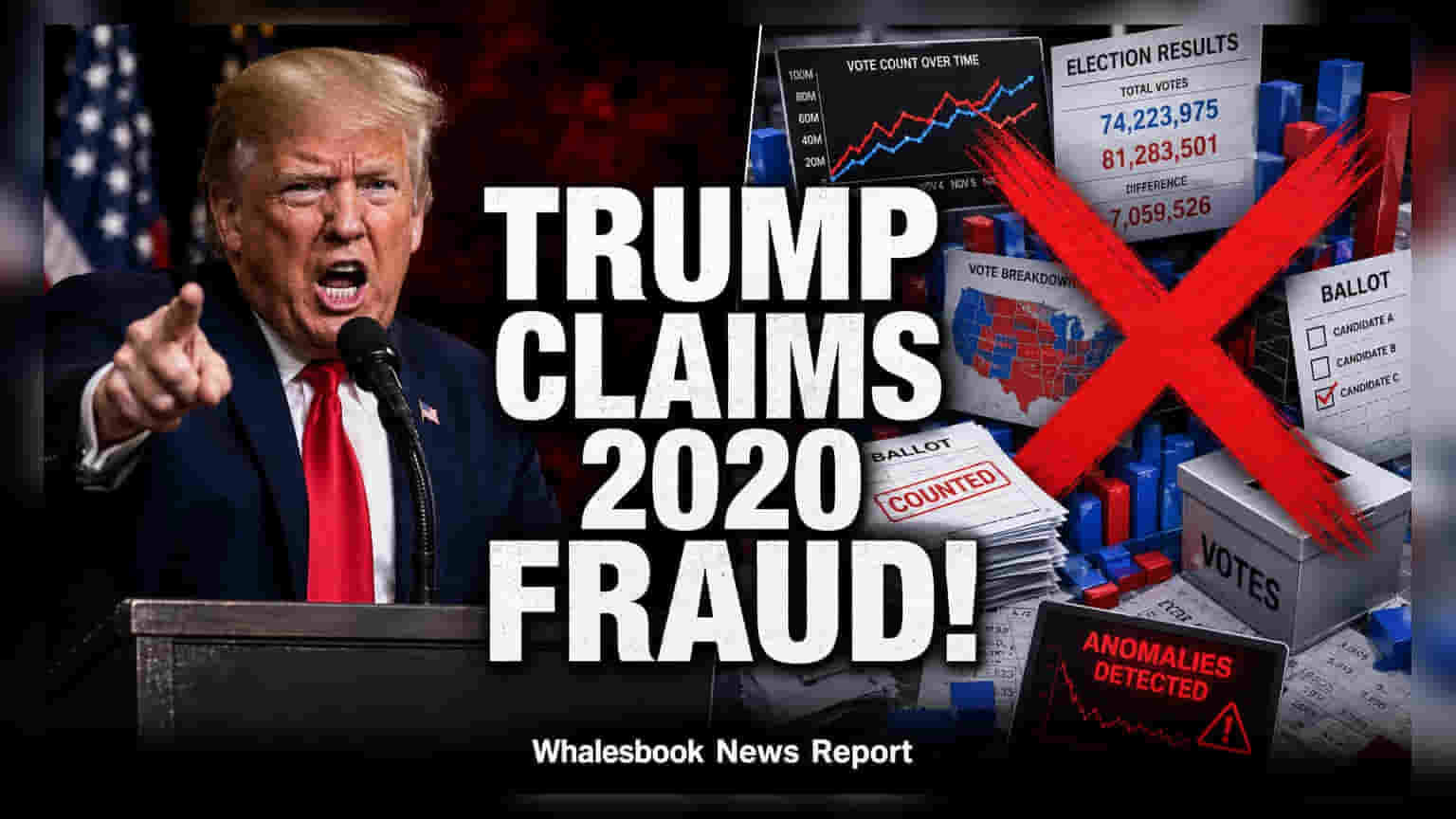
Former U.S. President Donald Trump addressed primetime television to revive claims regarding 2020 election irregularities and to support new voter ID legislation. The address faced limited live broadcast coverage by several major networks, prompting public debate over media editorial policies and political discourse ahead of the 2026 midterms.
Former U.S. President Donald Trump delivered a primetime speech on Thursday that returned the focus to the integrity of past elections. In his address, he centered his remarks on his 2020 election defeat and announced plans to release previously classified documents related to the 2018 and 2020 election cycles. The former president utilized this platform to advocate for the implementation of stricter national voter identification requirements, arguing that current systems fail to provide sufficient security for electoral processes.
The event drew significant attention due to the editorial decisions made by major U.S. television networks. Outlets such as ABC, NBC, and CNN opted against providing live broadcast coverage of the speech, choosing instead to carry the address on their respective digital streaming platforms. This decision sparked a public dispute, with the former president alleging that the networks were intentionally suppressing his message. Conversely, the networks' actions reflect an ongoing trend in media management regarding the live broadcast of political figures who frequently repeat claims that have been widely debunked or lack official verification.
The political reaction to the speech was sharply divided. Democratic lawmakers, including Senator Mark Warner and Senator Andy Kim, publicly criticized the address. They argued that the revival of these claims is intended to undermine public trust in the upcoming 2026 midterm elections and serves to distract from current legislative priorities. Supporters of the former president, however, framed the speech as a necessary effort to increase transparency and reform electoral laws.
While the latter half of the address focused on his policy record, including previous efforts to manage pharmaceutical drug pricing, the core impact of the speech remains its influence on the political environment ahead of the 2026 midterms. Investors and market observers generally monitor such political rhetoric for potential impacts on legislative agendas, regulatory stability, and public sentiment toward government institutions. The primary monitorable for the coming months will be how these claims influence the discourse around election administration laws in Congress and whether such debates begin to affect broader voter participation or market expectations regarding political stability.