 Whalesbook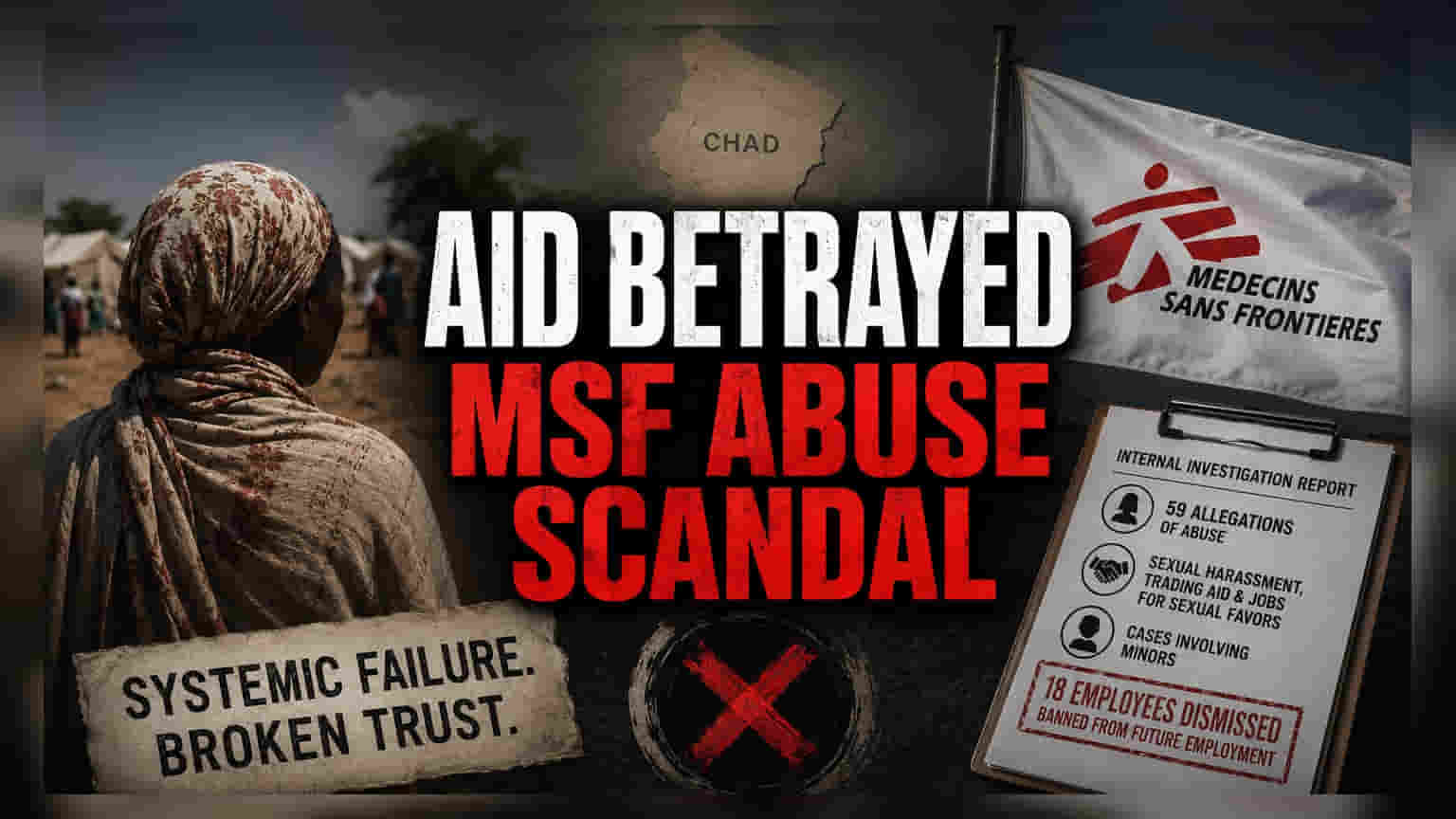


An internal report from Doctors Without Borders (MSF) has confirmed 59 allegations of abuse and exploitation by its staff against refugees in Chad. Following these findings, the organization has dismissed 18 employees. This incident highlights significant failures in internal governance and safeguarding protocols. For stakeholders, the focus is now on how the organization will restructure its operations and rebuild trust following these severe operational and ethical lapses.
What Happened
Doctors Without Borders (MSF) has released an internal report confirming that local and international staff members engaged in the exploitation of refugees in Chad. The investigation uncovered 59 allegations of abuse, ranging from sexual harassment to the trading of food aid and employment opportunities for sexual favors. The report also found that some of these cases involved minors. As a direct consequence of the investigation, 18 employees were dismissed and have been banned from future employment with the organization.
Governance and Internal Control Failures
The organization admitted that the findings reflect a systemic failure to protect the people it serves. The report acknowledged that the true number of incidents is likely higher, as many survivors were afraid to speak out, fearing that reporting the abuse would lead to a loss of access to essential humanitarian aid. Furthermore, the report identified that in instances where abuse was reported, the internal support and follow-up processes were inadequate. This indicates a breakdown in the accountability mechanisms that are expected to be present in large, multi-national humanitarian operations.
Context and Background
This internal probe was initiated following an investigation by the Associated Press in November 2024. That report initially brought to light allegations of aid workers and security forces soliciting sexual favors from Sudanese women who had fled a four-year civil war and sought refuge in eastern Chad. Despite the organization having previously allocated resources toward abuse prevention and staff training, the internal investigation concluded that these measures failed to have a lasting or sufficient impact on the ground.
Organizational Risks and Reputational Impact
For any large institution, such events represent a critical failure in organizational culture and operational risk management. When internal safeguards are bypassed or ignored, it poses a long-term risk to institutional credibility. The inability of previous training programs to prevent such widespread abuse suggests deep-seated operational issues. Beyond the ethical tragedy, such failures can lead to significant reputational damage, potentially affecting future funding, donor confidence, and the ability to maintain necessary access to conflict zones. The loss of trust from the communities served is often the most difficult risk to mitigate.
What Stakeholders Should Monitor Next
The key focus for those observing the organization will be on the efficacy of its corrective actions. Stakeholders will likely monitor whether the organization can implement structural changes that move beyond basic training to ensure actual accountability on the ground. Key monitorables include the transparency of future governance audits, the implementation of new, rigorous third-party safeguarding protocols, and the organization's ability to maintain its operational license in challenging conflict regions. The focus remains on whether these dismissals are part of a broader, sustained effort to fix systemic operational failures or if the underlying issues within its local leadership and field operations will persist.