 Whalesbook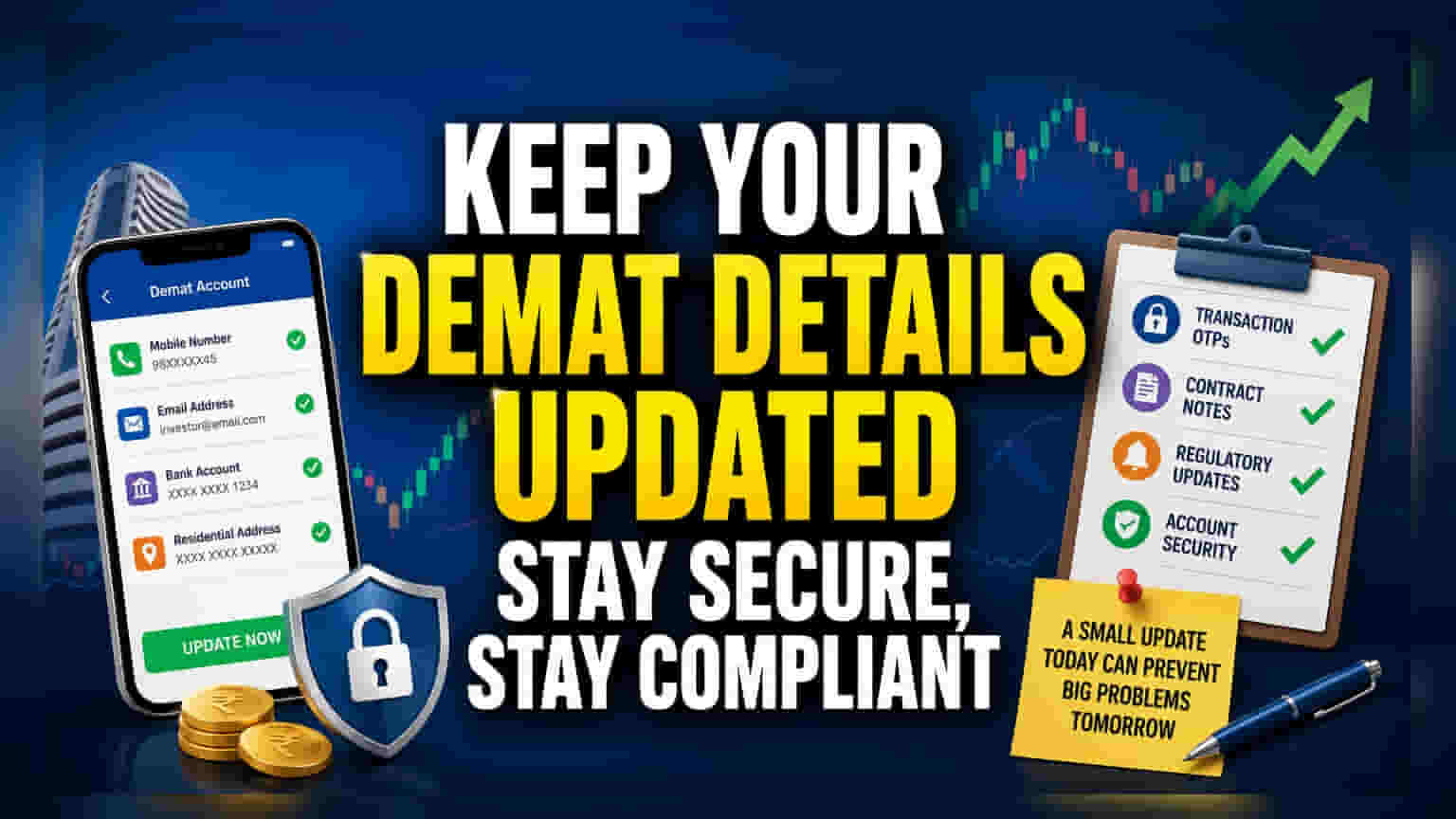


Keeping your mobile number, email, and bank details updated in your Demat account is vital for compliance. Inaccurate data can lead to blocked trading capabilities or missed corporate action alerts, as regulators prioritize strict KYC verification to protect investor assets.
Why Contact Details Matter
For many stock market investors, updating contact information in a Demat account is often a low-priority task. However, maintaining accurate records is a fundamental requirement for the smooth operation of your investment portfolio. Your registered mobile number and email address serve as the primary channels for vital communication, including transaction OTPs, contract notes, and essential regulatory updates. When these details become outdated, it creates a ripple effect of operational hurdles, ranging from failed trade authorizations to the inability to access account statements.
The Regulatory Angle
This is not merely a matter of administrative convenience; it is a core component of regulatory compliance. The Securities and Exchange Board of India (SEBI) has been consistently tightening Know Your Customer (KYC) norms under the Prevention of Money Laundering Act (PMLA). The goal is to ensure that the actual beneficial owner of the account is reachable and verified. Brokers and Depository Participants (DPs), such as CDSL and NSDL, are required to keep investor records current to prevent misuse of accounts. If a regulator or broker cannot verify your identity or contact you regarding suspicious activity, they may be forced to place restrictions on your account.
The Risks of Outdated Information
Investors who neglect to update their details face several specific risks. The most immediate is the failure of transaction authentication. Today, most selling of shares and pledging requires an OTP sent to your registered mobile number. If the number is inactive or belongs to someone else, you could be locked out of your own holdings during a critical market move. Furthermore, incorrect bank account details linked to your Demat profile can lead to the failure of dividend payouts or corporate action payments, as these funds are directly credited to the linked account. Additionally, failing to update your residential address can cause issues with receiving physical documents or official notices from the company or the exchange.
Simple Steps for Compliance
Most modern stockbrokers allow investors to update these details through their mobile applications or web portals. Changing a mobile number or email ID is generally a quick process, often involving an OTP-based verification or e-KYC (electronic Know Your Customer) method. For more significant changes, such as a bank account update, brokers typically require supporting documentation like a cancelled cheque or a recent bank statement to ensure security.
What Investors Should Monitor
Investors should treat their Demat account profile with the same level of security as a bank account. Periodically logging into your broker’s portal to verify that your email, mobile number, and bank account are current is a good practice. If you have recently changed your phone plan, moved to a new city, or closed an old bank account, updating the Demat records should be one of the first actions on your list. Being proactive ensures you remain compliant with exchange norms and avoids the stress of sudden account restrictions during trading hours.