

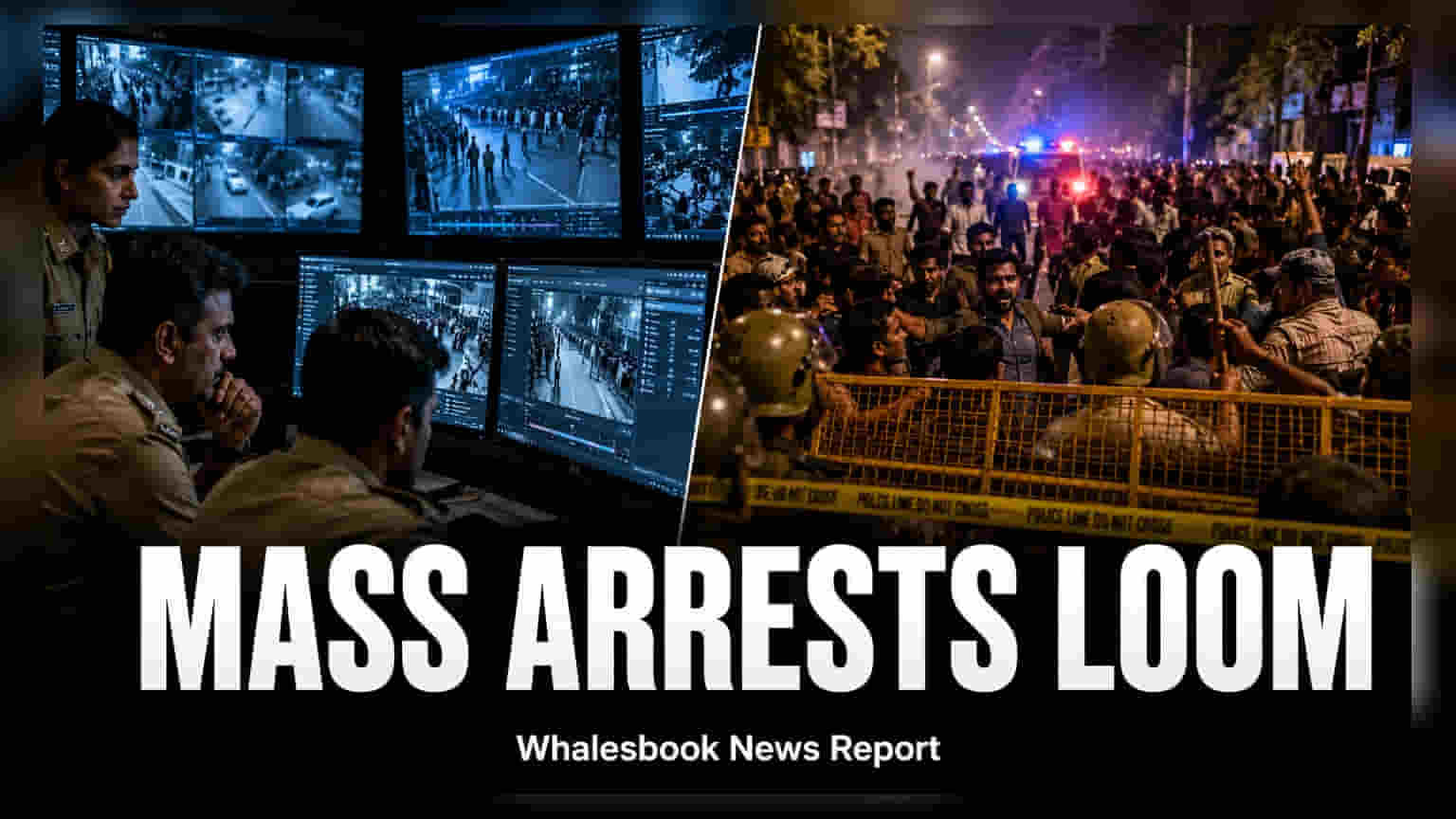
Delhi Police have filed four FIRs following violent clashes during a Cockroach Janta Party (CJP) protest in the capital. The incident resulted in injuries to over 118 police personnel and nearly 60 protesters due to stone-pelting and property damage. Security has been tightened across major city districts to maintain order as authorities review video evidence to identify those involved.
Detailed Coverage
The Delhi Police have initiated legal action by registering four First Information Reports (FIRs) following a protest march organized by the Cockroach Janta Party (CJP) that turned violent. The charges filed under the Bharatiya Nyaya Sanhita include rioting, assaulting public servants, and causing damage to public property. Additionally, one specific FIR was registered concerning unauthorized drone activity near the Parliament area during the demonstration.
According to official statements, the situation escalated when protesters allegedly ignored prohibitory orders, breached security barricades, and engaged in stone-pelting. The violence resulted in injuries to more than 118 police personnel, including senior officials such as Special and Joint Commissioners. Approximately 60 protesters also sustained injuries during the unrest. The injured officers are currently receiving medical care, while forensic and medico-legal examinations are being conducted as part of the ongoing investigation.
Investigation and Security Response
Law enforcement agencies are currently using CCTV footage and various electronic recordings to identify individuals responsible for the vandalism and the attacks on security personnel. Authorities have indicated that more cases could be filed as the investigation progresses. In response to the breach of peace, security arrangements have been scaled up across Central, North, South, South West, and South East Delhi. These measures include the installation of multi-layered barricades and increased vehicle inspections, particularly around key government installations.
While this event involves political and social unrest, it underscores the operational challenges for security forces in maintaining order in highly sensitive administrative zones. For observers tracking developments in the capital, the key monitorable will be whether authorities implement further restrictions on public gatherings or if the situation stabilizes as the police investigation into the identified culprits continues.