

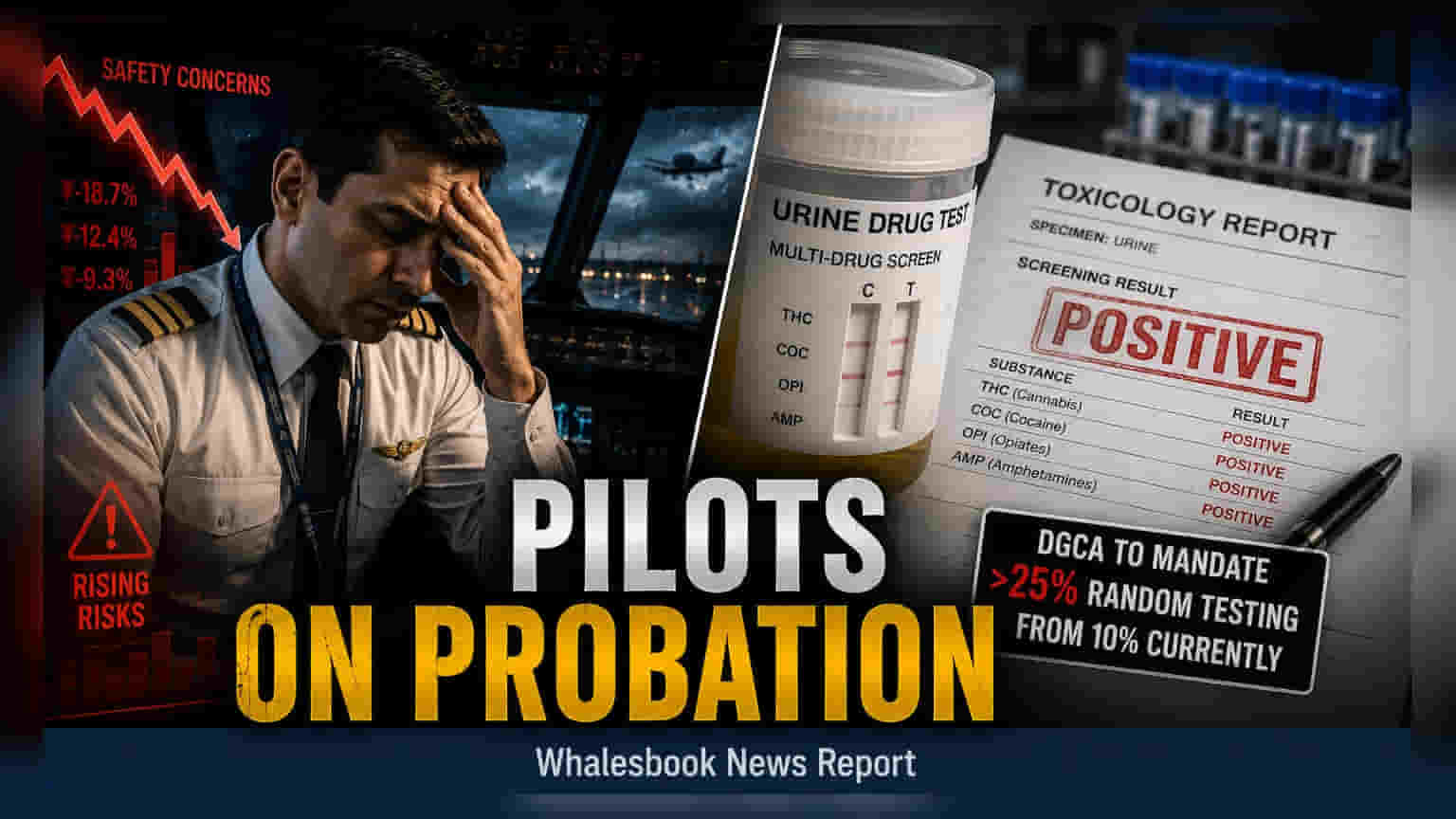
The DGCA is planning to raise random drug testing for airline flight crews to over 25% annually, up from the current 10%. This regulatory move follows recent safety concerns and may impact airline operations and compliance costs. Investors should watch for potential scheduling hurdles and the industry's adoption of new testing technologies like oral-fluid screening.
The Directorate General of Civil Aviation (DGCA) is set to significantly tighten drug testing protocols for flight crews across Indian airlines. The regulator is preparing to mandate that airlines randomly screen over 25% of their pilots and flight personnel annually, more than doubling the existing minimum requirement of 10%. This initiative follows a series of recent safety incidents that have intensified scrutiny over pilot well-being and regulatory compliance within the aviation sector.
Impact on Airline Operations
The move is a direct response to rising safety concerns, notably the recent Air India flight AI-2379, where a pilot tested positive for prohibited substances following a mid-flight incident. In response, Air India has already launched a comprehensive, one-time drug screening for its group pilots, highlighting the industry's urgent focus on safety protocols. For airlines, this regulatory shift implies more than just increased safety oversight; it introduces a new layer of operational complexity. Airlines will need to manage the logistics of a higher volume of tests without disrupting flight schedules, which is critical for maintaining efficiency.
From a financial and operational standpoint, the risk lies in managing the testing process effectively. Increased screening frequency means higher compliance costs, including laboratory expenses and administrative overhead. Furthermore, the industry faces the challenge of potential false positives. If a pilot tests non-negative due to common medications, they must be immediately de-rostered or grounded pending confirmatory analysis. Such occurrences can lead to sudden pilot unavailability, causing last-minute flight delays or scheduling pressure, which may impact operational consistency.
Shift Toward New Testing Methods
To address concerns regarding efficiency, the Federation of Indian Pilots (FIP) has recommended that the DGCA introduce oral-fluid testing alongside standard urine-based screenings. The FIP suggests that oral-fluid tests could serve as a faster, less intrusive, and more scalable method for random checks. If the DGCA adopts this, it could allow airlines to meet the new 25% testing mandate with lower operational friction. The FIP has also advocated for a structured process, including medical assessments, to ensure that only confirmed cases of impairment, rather than the mere presence of substances, are treated as safety violations.
Investors monitoring the aviation sector should look for official notifications regarding the final implementation timeline. The focus will remain on how airlines navigate the increased compliance burden, the costs associated with upgrading testing technologies, and whether the new protocols effectively mitigate the risks of false positives and pilot unavailability.