

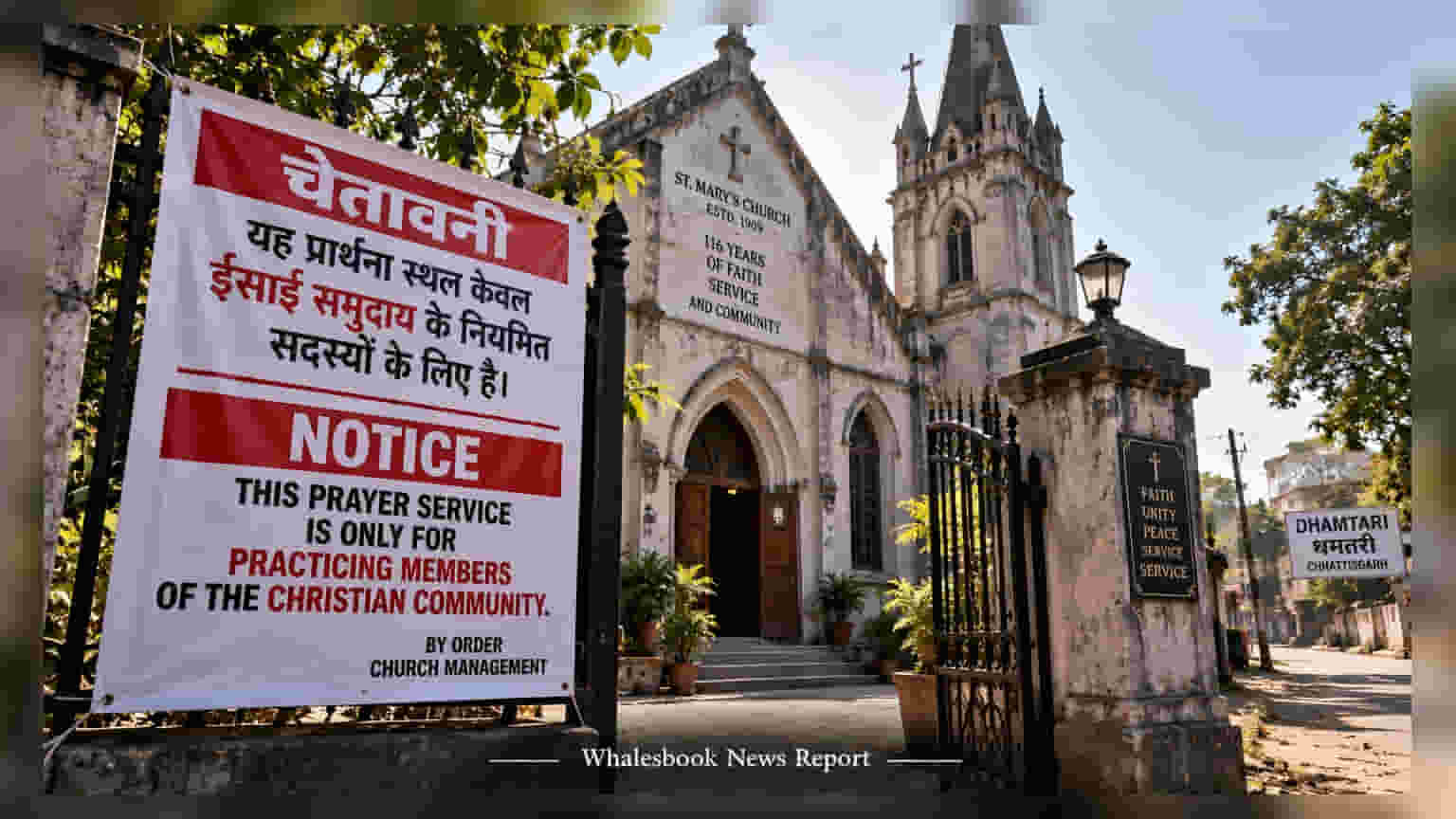
Religious institutions in Dhamtari, Chhattisgarh, have limited prayer service access to practicing members to mitigate risks related to strict anti-conversion laws. This shift follows increased administrative scrutiny and legal uncertainty, with authorities imposing heavy penalties for unauthorized activities. The move reflects the ongoing tension between local religious groups and regulatory bodies in the region.
Churches in Dhamtari, Chhattisgarh, have officially restricted access to their prayer services, permitting entry only to practicing members of the Christian community. This decision, led by the local church management, serves as a proactive measure to shield organizers from potential legal repercussions stemming from the state’s stringent anti-conversion legislation.
The regulatory landscape in the state has become significantly stricter, creating an environment of uncertainty for religious institutions. Current laws dictate severe penalties for unauthorized conversions, with fines reaching up to ₹25 lakh. In cases involving mass conversions, the statutes allow for sentences as severe as life imprisonment. Facing this climate, church leaders are now displaying signage to clarify that only members are allowed to attend, effectively shifting the legal liability of presence onto the individual visitor rather than the institution.
This policy change follows a strained meeting at the district Collectorate on September 15. Christian representatives stated they were called to the meeting without prior warning that right-wing groups would also be present. During the discussion, these groups demanded a total halt to non-Christian participation in prayer services, a demand that reportedly received backing from local officials.
In response, the Dhamtari District Christian Forum instructed churches across the area to implement strict access controls. This follows a period where over 1,000 individuals had submitted self-declaration forms to the district office to confirm that their attendance at these services was voluntary. Despite these filings, the situation remains fluid. The district administration has not yet provided a formal resolution, keeping the local community in a state of unease. For observers and residents, the key monitorable remains whether these restrictive policies will satisfy local administrative demands or if the volatility regarding the implementation of conversion laws will continue to persist in the region.