

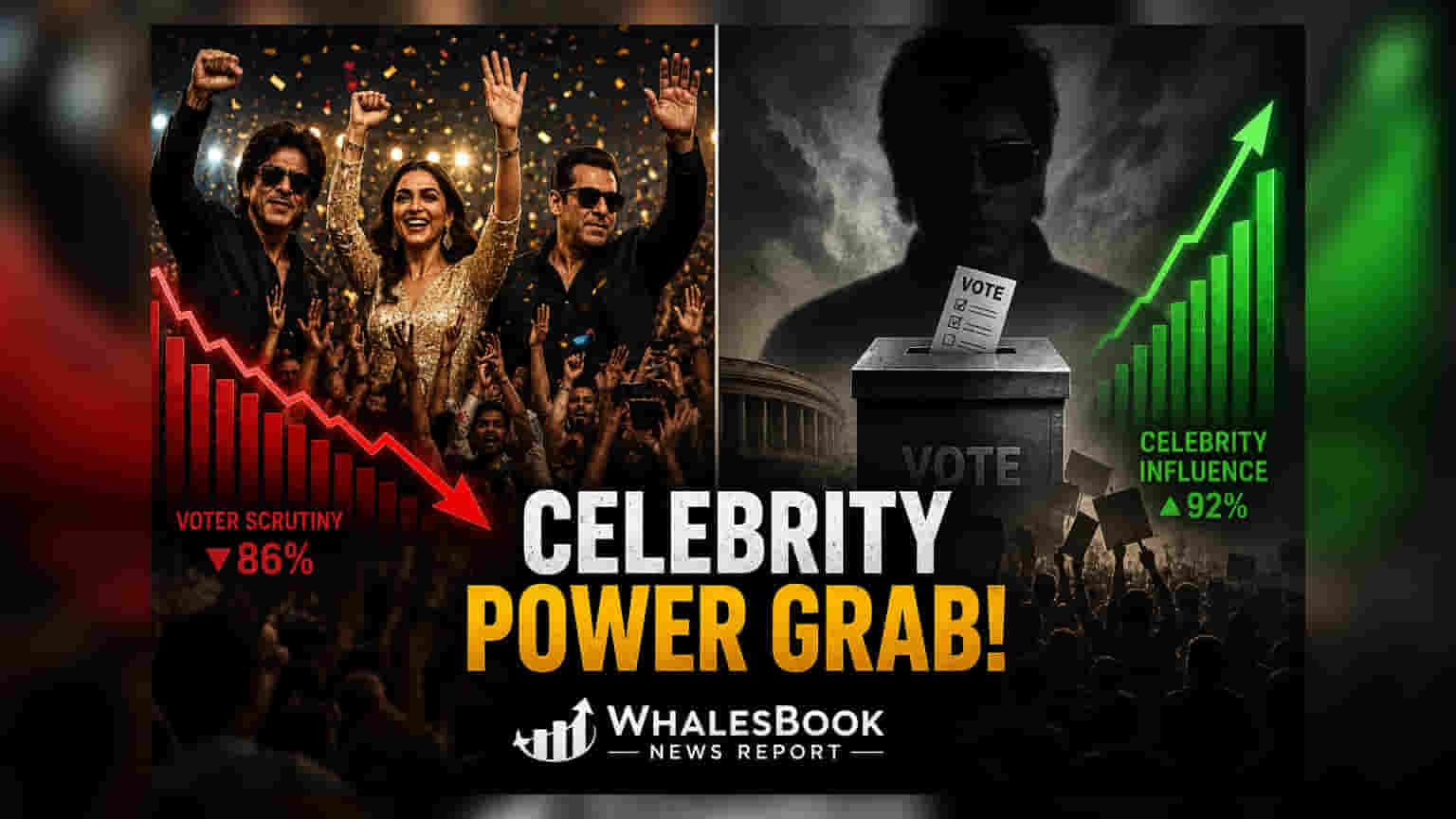
The rise of celebrity candidates in global and Indian elections often prioritizes name recognition over traditional governance experience. This trend, driven by intense fan connections, can impact how voters judge political accountability and policy outcomes.
The intersection of celebrity fame and political office has become a significant factor in modern democratic systems. While public figures have always played a role in social advocacy, the recent trend of actors and athletes transitioning directly into governance roles highlights a shift in how political capital is built and used during election cycles.
The Mechanics of Fan Influence
Political analysts often observe that voters form deep emotional connections with public figures, a concept known as parasocial relationships. In this dynamic, supporters may feel a personal bond with a celebrity, which can influence their political preferences. Unlike traditional candidates whose records are often scrutinized through policy debates or previous administrative work, celebrity candidates frequently enter the electoral race with a pre-existing base of support rooted in admiration for their career rather than their political agenda.
Impact on Electoral Dynamics
Cinema and sports provide a unique platform that helps public figures build massive name recognition. In competitive electoral environments, this visibility can act as a significant advantage, potentially overshadowing candidates who have spent years in community service or policy work. Research suggests that when high-profile figures run for office, the focus of the campaign may shift from governance goals to the maintenance of the candidate’s image. This can make it challenging for the electorate to hold officials accountable, as criticism of the politician’s actions may be perceived by their core supporters as an attack on the individual they admire.
Evaluating Political Motives
In India and globally, the success of film stars in politics—such as the recent electoral success of C.J. Vijay in Tamil Nadu—serves as a primary example of how cinematic popularity can be converted into electoral votes. For investors and the public, the key distinction often lies in a candidate's background. Figures who enter public life with a track record of civic engagement may approach governance differently than those who transition into politics primarily when electoral opportunities present themselves. When the wealthy and famous seek state power, the alignment between their personal interests and the public interest becomes a critical area for voters to monitor.
Scrutiny and Voter Responsibility
The rise of digital media has accelerated this trend by creating echo chambers where celebrity identities are reinforced daily. This can reduce the space for balanced public debate, as the electorate's capacity for independent, policy-based judgment may be sidelined by hero worship. As these trends continue to shape political landscapes, the primary monitorable for observers remains whether voters prioritize the measurable administrative track record of a candidate over the illusion and name recognition associated with their previous entertainment career.