

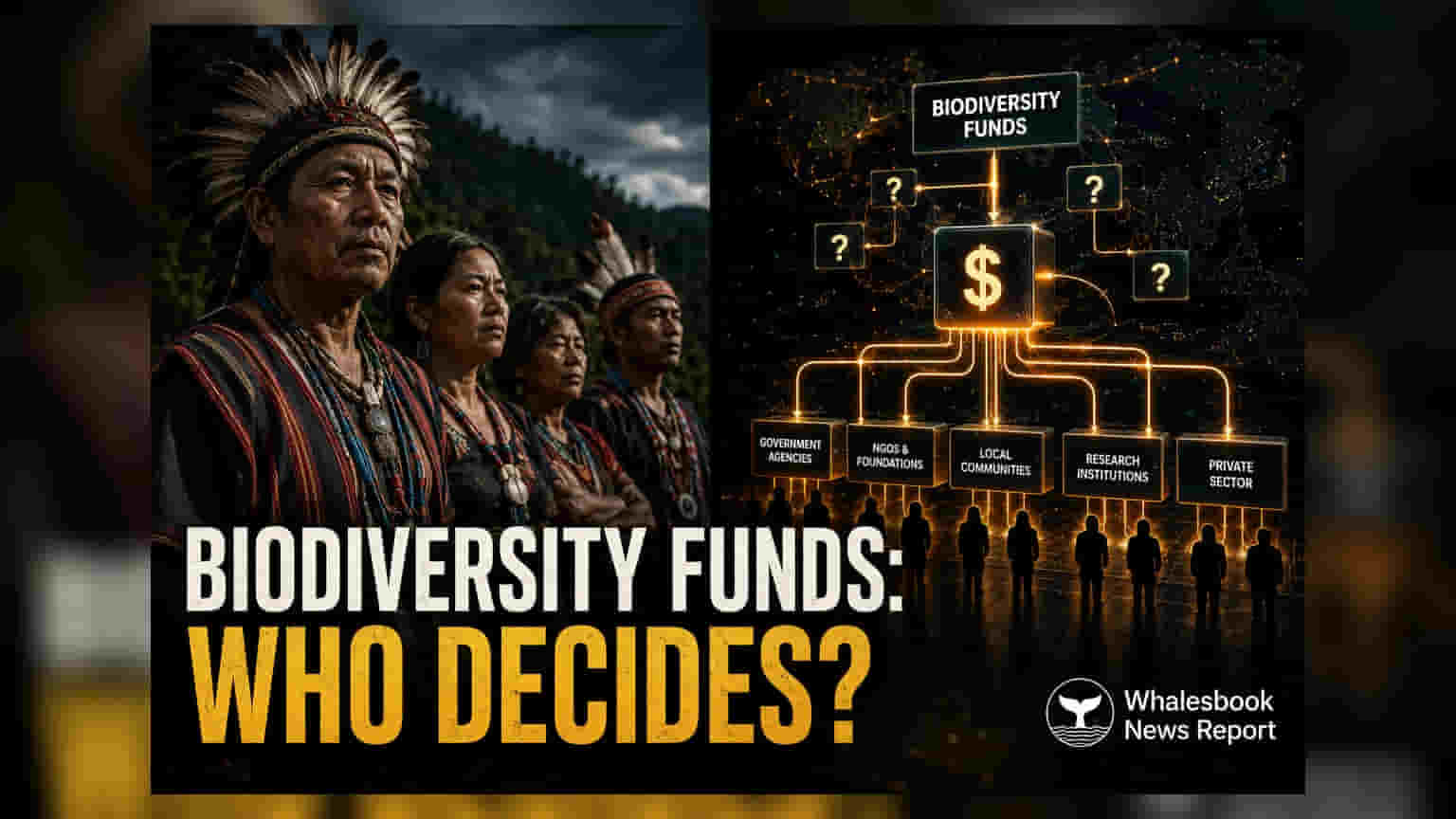
The newly established Cali Fund aims to distribute biodiversity finance directly to Indigenous communities, with a commitment to allocate 50% of capital to their priorities. While funding access is improving, the primary debate shifts to whether these communities will hold actual decision-making power or merely serve as project implementers.
A significant change is taking place in how global conservation finance is managed. Recent meetings of the Global Environment Facility showed that nearly 39% of new biodiversity funding is now directed toward Indigenous Peoples and local communities, a sharp increase from historical levels where these groups received less than one percent of available support. This shift reflects a growing recognition of the role these communities play in protecting global biodiversity.
The Cali Fund and Indigenous Governance
The Cali Fund, established during the COP16 climate summit, introduces a mechanism where companies that profit from nature's genetic data contribute to a pool that benefits the source countries and communities. A core principle of this fund is the commitment to designate 50% of raised capital toward priorities identified by the communities themselves. However, experts and representatives, including Indigenous leaders, note that having access to funds is different from having true control over how they are used.
The central issue for these communities is self-determination. There is an ongoing debate regarding how this money should reach the intended recipients. Many advocates are pushing for direct access, arguing that channeling funds through national governments creates unnecessary administrative layers and delays. By bypassing traditional governmental paths, proponents believe Indigenous organizations can better align conservation efforts with their own territorial rights and governance systems.
Challenges in Implementation and Accountability
While the increase in financial support is a positive trend, there are practical hurdles to overcome. Many local groups lack the formal legal and administrative structures required to handle large-scale institutional funding. Furthermore, standard project reporting cycles often conflict with the long-term, generational perspectives held by many Indigenous communities. If these funds are managed using rigid, externally imposed success metrics, they may inadvertently weaken the local governance structures they are intended to protect.
Building credibility for the Cali Fund is another significant challenge. Because contributions from corporations remain voluntary, the total capital available is currently modest. To scale this effort, the fund must establish strong trust between governments, the private sector, and local communities. The institutional framework to manage this direct-funding model is still in its early stages of development.
Investors and stakeholders interested in Environmental, Social, and Governance (ESG) frameworks will likely track the fund’s progress in two key areas. First, they will monitor the adoption rate of voluntary contributions by major companies. Second, the effectiveness of the fund will be measured by its ability to create simple, direct channels that empower communities to set their own conservation agendas rather than simply complying with standardized reporting requirements.