

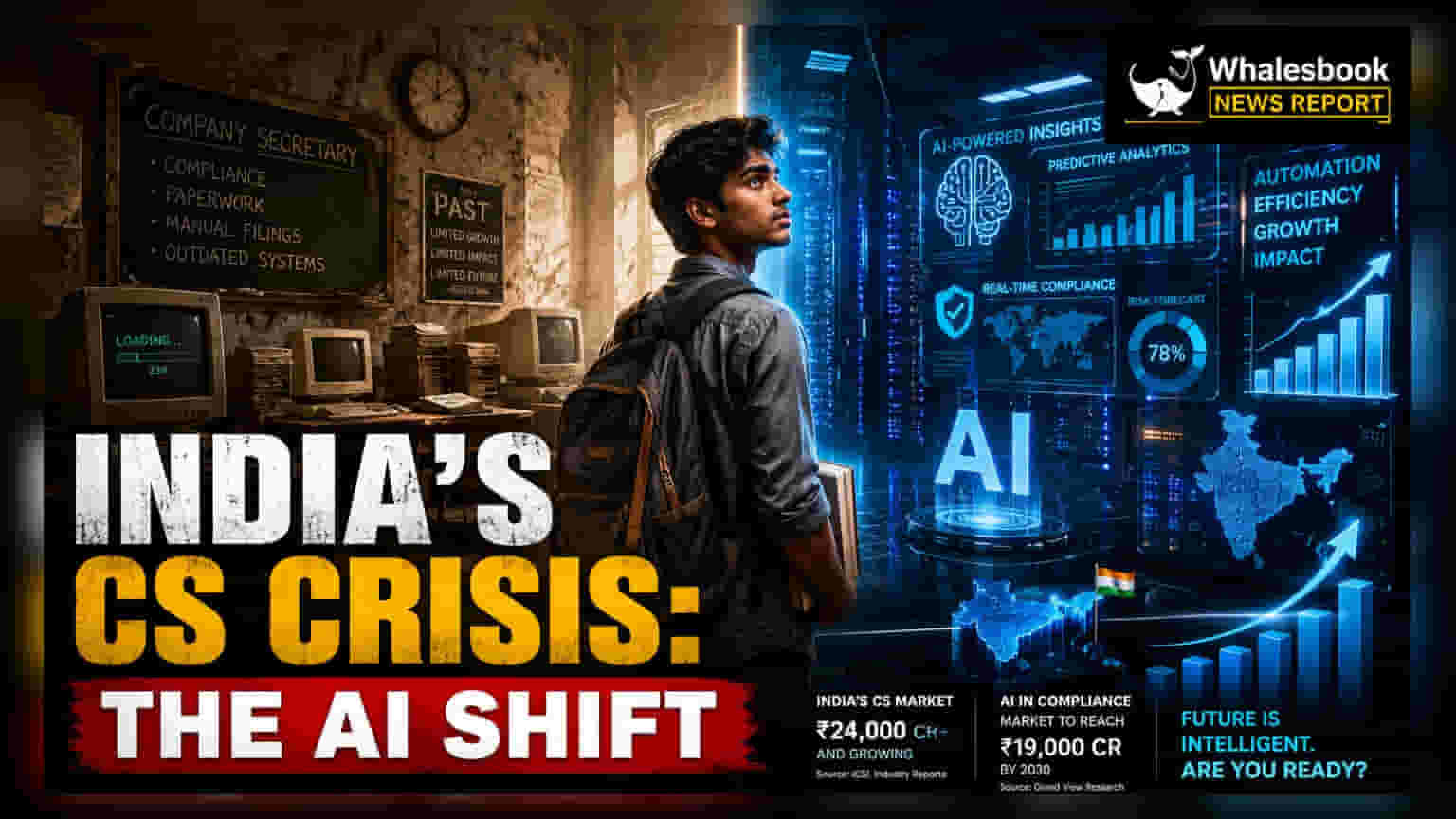
A startup founder has criticized the disconnect between high Indian engineering college fees and outdated computer science syllabi. The debate centers on whether traditional four-year degrees still guarantee jobs in an AI-driven market where industry needs have shifted rapidly.
The recent critique of India’s computer science education sector has ignited a significant discussion regarding the return on investment for engineering students. The core of the issue lies in the widening gap between the rising costs of higher education, where tuition can exceed ₹12 lakhs, and the relevance of curricula that critics claim have remained largely stagnant for a decade. This mismatch raises concerns about graduate employability, particularly as Artificial Intelligence and automation reshape hiring practices across the IT and technology sectors.
Impact on Graduate Employability and Debt
For many Indian families, an engineering degree has long been viewed as a secure path to high-paying employment, often funded through significant bank loans. The concern now is that these financial commitments are being made based on outdated expectations. If the skills taught in classrooms do not align with the needs of modern technology firms, graduates may face intense competition for fewer roles, potentially leading to underemployment or difficulty in repaying educational debt. This situation puts pressure on students and parents to evaluate the quality and industry-readiness of courses before investing large sums.
Shifting Hiring Trends in the AI Era
The rapid adoption of AI has fundamentally altered what employers look for in entry-level hires. Companies are increasingly prioritizing practical skills, project portfolios, and the ability to adapt to new tools over theoretical knowledge acquired from rigid, decade-old syllabi. While engineering colleges have historically focused on standardized academic performance, the current market environment suggests that traditional degree paths may no longer provide the same competitive advantage they once did. This shift may compel educational institutions to modernize their teaching methods or risk becoming irrelevant to the rapidly changing needs of the corporate sector.
Strategic Student Approaches
In response to this gap, experts and industry observers are encouraging a more proactive approach to professional development during college. This includes focusing on real-world application early in a student's career, such as building active repositories on platforms like GitHub and pursuing internships with startups. By gaining hands-on experience, students aim to bridge the gap between classroom theory and industry requirements. The ultimate monitorable for investors and stakeholders in the education sector will be whether colleges can successfully update their programs to improve placement outcomes and whether families will begin to pivot toward institutions or training models that demonstrate high, verifiable career readiness.