

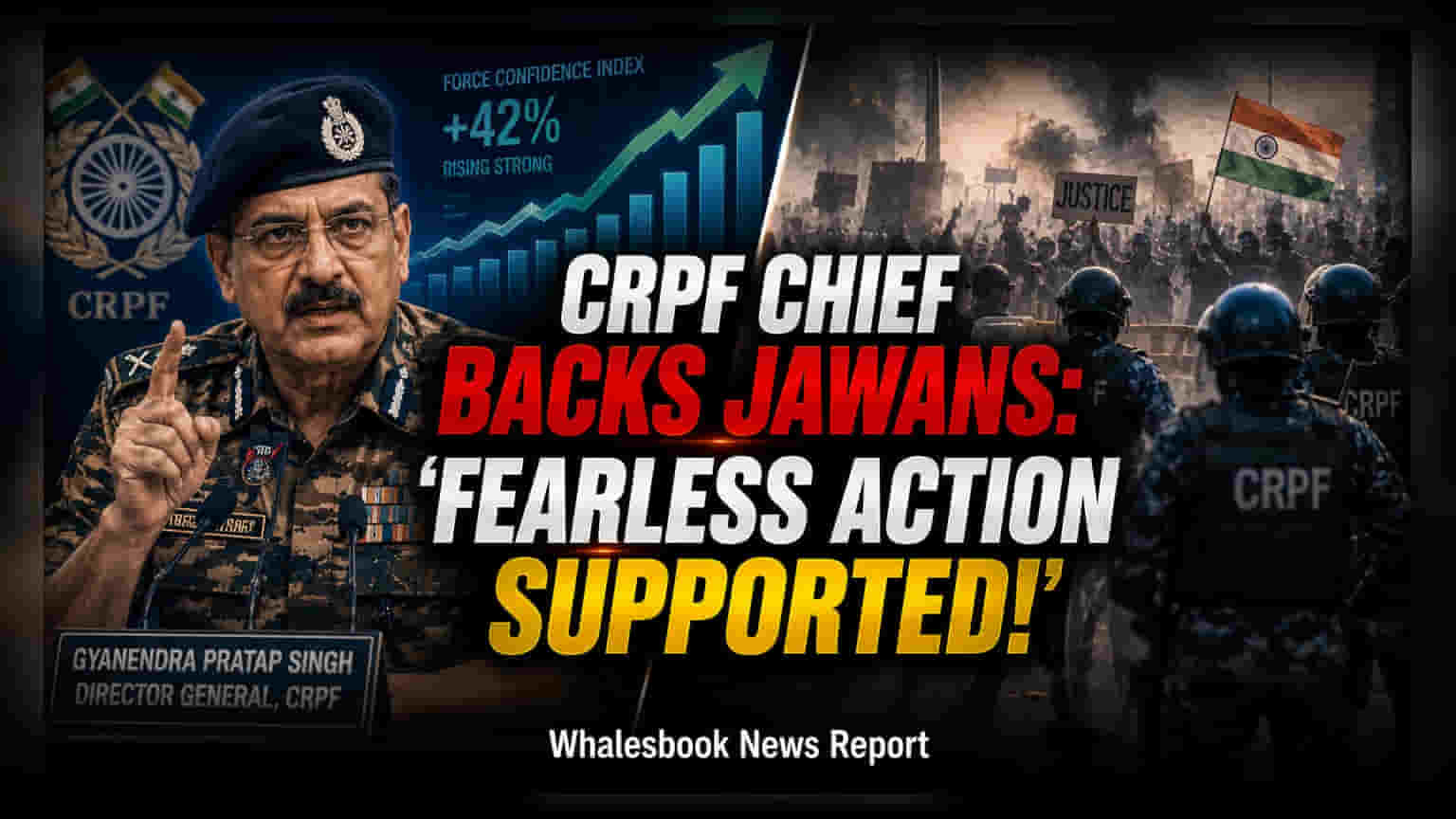
CRPF Director General Gyanendra Pratap Singh has committed to supporting 'bona fide' actions taken by security personnel during the July 20 Delhi NEET protests. The force is currently investigating allegations of excessive force while balancing internal morale with public accountability following the controversial 'Sansad Chalo' march.
Central Reserve Police Force (CRPF) Director General Gyanendra Pratap Singh has publicly affirmed his commitment to standing behind personnel for decisions made in the line of duty. During an investiture ceremony on July 27, Singh stated that he takes responsibility for actions taken in the bona fide discharge of duties, urging the force to continue their work without fear. This public reassurance serves as a strategic move to maintain morale within the ranks following intense scrutiny over the force's handling of the July 20 anti-NEET paper leak protests in Delhi.
Accountability Amidst Internal Probe
While the leadership has voiced support for its officers, the organization is concurrently managing the risks associated with allegations of disproportionate force. The Rapid Action Force, a specialized unit of the CRPF, has initiated a formal investigation into the events of July 20, where security personnel were tasked with managing the 'Sansad Chalo' march organized by the Cockroach Janta Party. This inquiry is currently examining video footage and personnel statements to determine if established standard operating procedures were followed.
Official documents indicate that tear gas, lathi charges, and plastic pellets were deployed in the Jantar Mantar area. While Delhi Police have denied reports of pellet fire against peaceful demonstrators, the incident has drawn significant legal and political attention. The matter has reached both Parliament and the Supreme Court, with a public interest litigation seeking a ban on the use of metallic pellets for crowd control. The outcome of the Rapid Action Force probe will be a critical monitorable, as it may determine whether a formal Court of Inquiry is required or if existing protocols need revision.
Investor and Institutional Context
For investors and observers tracking the security and defense sector, the situation highlights the operational risks inherent in crowd control and public order management. Organizations involved in supplying equipment such as non-lethal deterrents, tear gas, and protective gear face ongoing regulatory and ethical scrutiny. Future policy shifts or judicial mandates regarding the types of crowd control weapons permitted could influence procurement patterns and the business environment for domestic defense and security suppliers. The focus remains on how the CRPF balances its operational mandate with evolving legal standards regarding the use of force.