 Whalesbook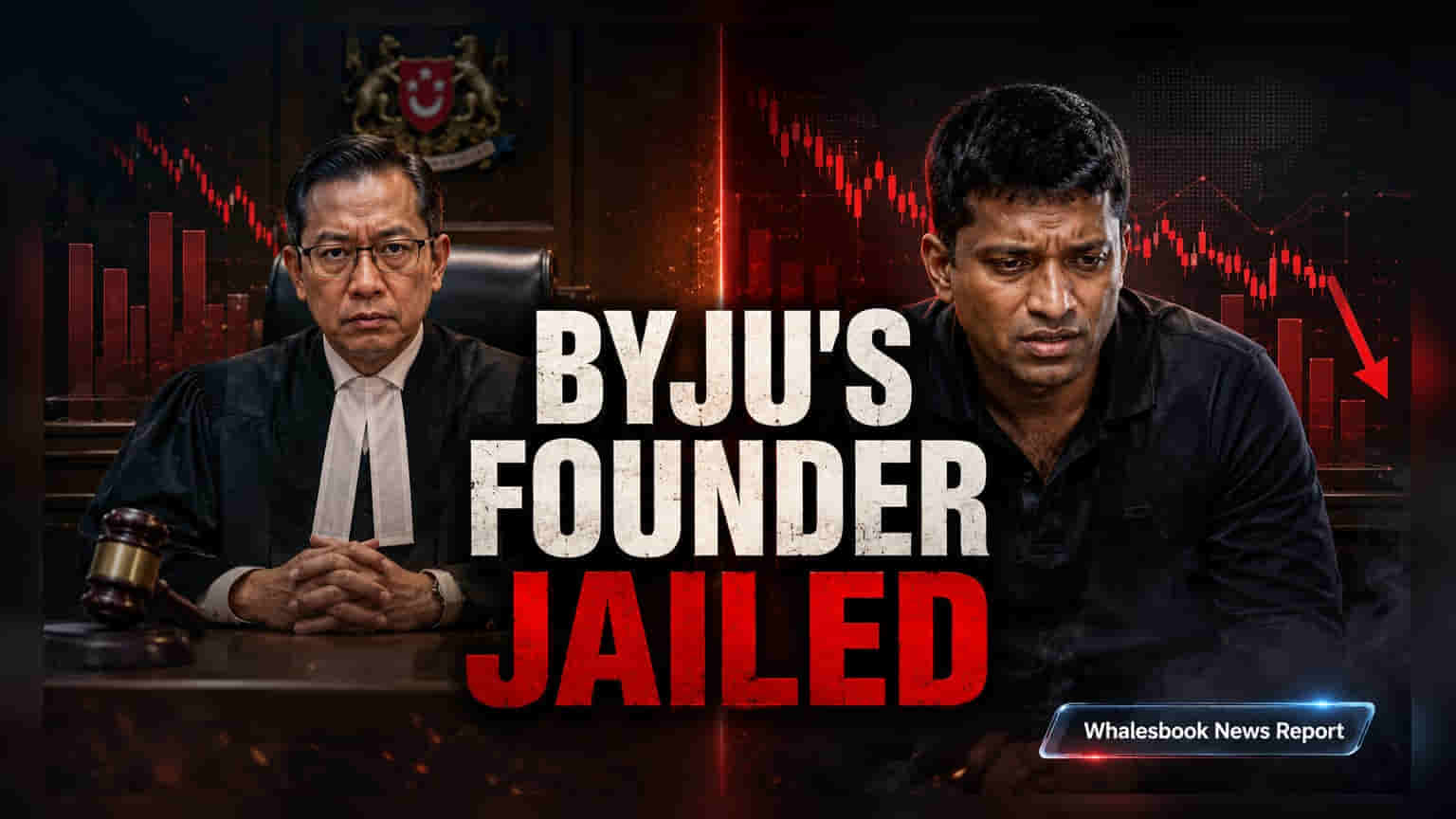


Singaporean Court Orders Jail Time
The sentencing of Byju Raveendran to six months in prison by a Singaporean court marks a significant escalation in his legal challenges. The order demands his immediate surrender to authorities, stemming from his repeated non-compliance with court directives regarding his assets since April 2024. The judiciary's decision to move from financial penalties to incarceration highlights their frustration with his defiance.
Global Legal Pressures Mount
This ruling in Singapore is part of a larger global legal offensive against Raveendran. He is currently involved in high-stakes insolvency proceedings in India, where the Supreme Court has backed the original Committee of Creditors. This committee, led by GLAS Trust Company LLC, controls the parent company, Think & Learn Private Limited. Additionally, Raveendran faces significant pressure from U.S. lenders concerned about the alleged misuse of $533 million from a $1.2 billion term loan. Although a default judgment was temporarily reversed in late 2025, claims of fraudulent fund transfers continue to be pursued in U.S. courts.
Company's Legal Stance Under Scrutiny
Critics have noted the company's leadership's persistent refusal to disclose asset locations or comply with discovery orders, drawing parallels to past corporate failures. Skeptics view Raveendran's reliance on travel restrictions and jurisdictional issues as tactics to delay legal proceedings. Unlike competitors who have adapted to market changes, his company is hampered by ongoing litigation and a loss of institutional trust. U.S. legal findings have previously described his actions as a pattern of willful failure, suggesting that patience has run out. The combination of unpaid contempt sanctions in the U.S. and the new Singapore mandate severely limits Raveendran's legal options.
Outlook for Creditors and Founder
With the Indian Supreme Court indicating an end to prolonged delays and the Singaporean court criminalizing non-compliance, opportunities for a favorable settlement are diminishing. Legal experts observe that the focus has shifted from internal restructuring to a court-supervised liquidation of assets for creditors. The founder's future likely involves extradition and enforcement proceedings as creditors aim to recover claims that now exceed the company's former market value.