

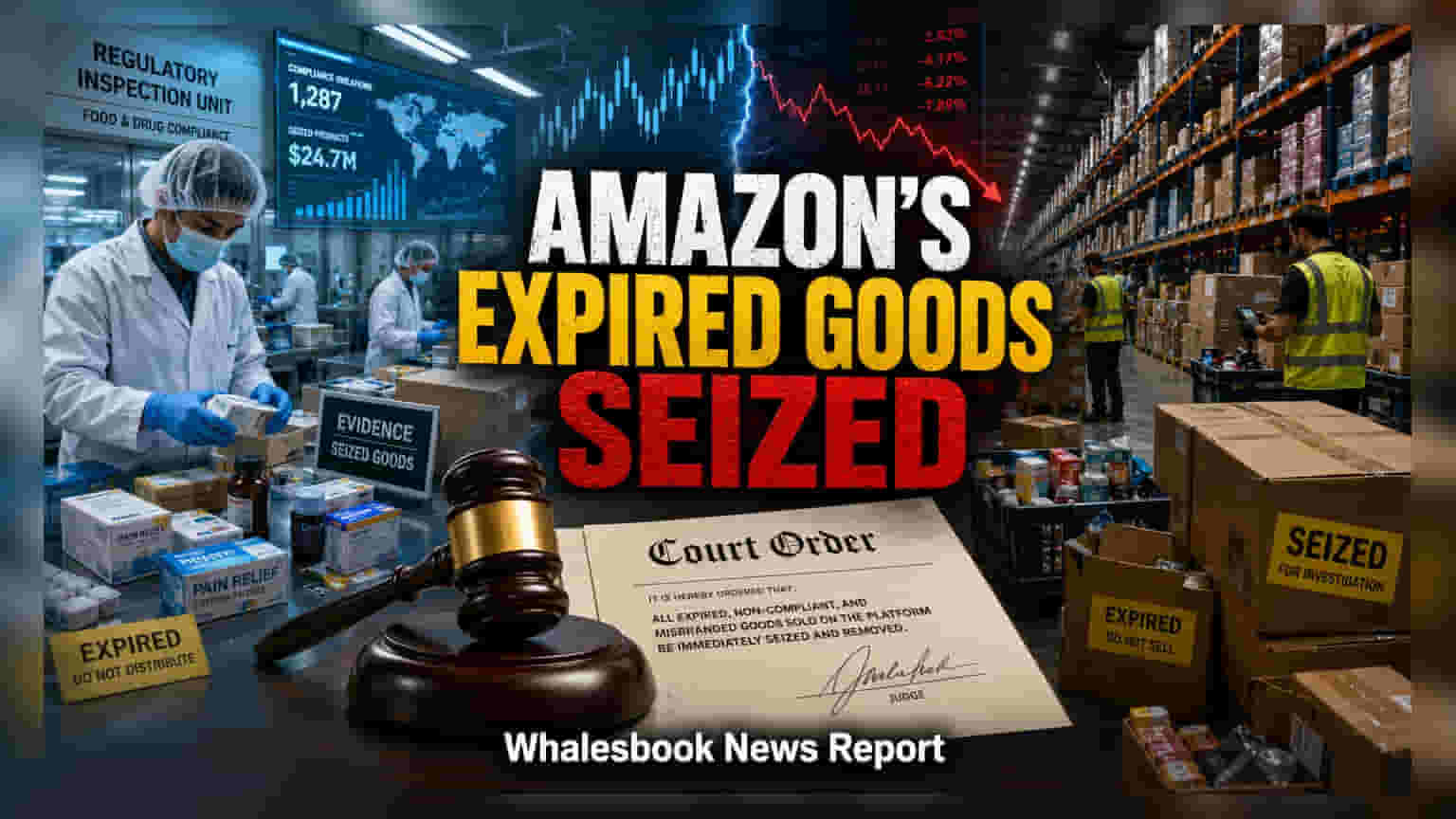
The Bombay High Court has directed Amazon Retail India to transfer all expired and perishable goods from its Bhiwandi warehouse to the Food and Drug Administration (FDA) for scientific disposal. This interim order is part of an ongoing legal dispute regarding the suspension of the facility's warehouse license. The court has set August 27 as the next deadline for the FDA to file its formal response in the matter.
The Bombay High Court has issued an interim directive to Amazon Retail India, ordering the company to surrender all expired and perished goods from its Bhiwandi warehouse to the Maharashtra Food and Drug Administration (FDA) for scientific disposal. This judicial intervention is designed to ensure the proper removal of compromised inventory while the broader legal battle concerning the warehouse’s operating license remains ongoing.
The directive stems from a challenge filed by Amazon against the state regulator’s decision to suspend and subsequently cancel the operating license for the Bhiwandi facility. The regulatory action was triggered by allegations concerning the management and storage of food products within the warehouse. As part of the court's latest order, Amazon has been instructed to bear the expenses related to the scientific disposal of these items.
During recent hearings, the judiciary raised questions regarding the regulatory approach taken by the FDA. The court previously remarked that the decision to shut down the facility without following due process—such as providing clear improvement notices—appeared disproportionate to the situation, describing the action as using a heavy-handed approach to address a specific issue.
For investors and market observers, this case highlights the significant regulatory and operational risks inherent in the e-commerce sector, particularly regarding supply chain compliance. Warehousing operations for perishable goods require strict adherence to quality control and expiry tracking protocols. When these systems fail, the resulting regulatory scrutiny can lead to severe operational disruptions, such as facility closures, which can hinder fulfillment capabilities and impact business reputation.
The financial impact of this specific event includes the direct costs of disposing of the expired goods and the potential for lost efficiency if the facility remains under regulatory pressure. More broadly, the case serves as a reminder of the increasing focus by Indian regulators on e-commerce logistics hubs, which are critical components of the retail supply chain.
The next crucial update in this matter is scheduled for August 27, by which time the FDA must file an affidavit in response to the company’s plea. The outcome of these legal proceedings will determine the status of the Bhiwandi facility's license and could clarify how regulators apply compliance standards to large-scale e-commerce logistics centers in the future.