

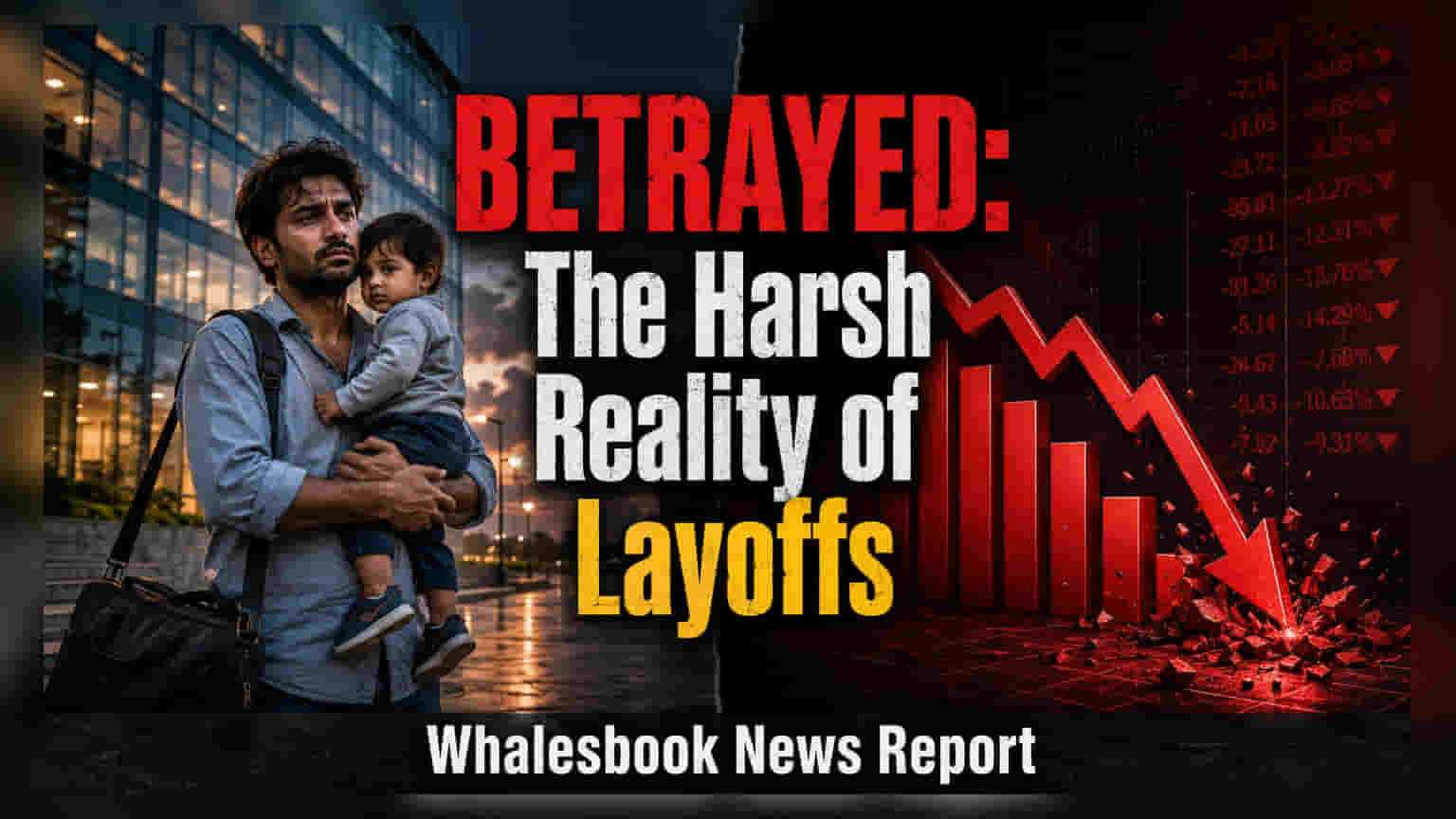
A Bengaluru-based employee recently shared a difficult exit experience involving a laptop return to Preqin, a BlackRock subsidiary, after being laid off. The incident has drawn attention to corporate exit processes and the broader reputational risks companies face during workforce restructuring.
A Bengaluru-based technology professional recently detailed a challenging experience following his layoff from Preqin, a data firm acquired by BlackRock in 2025. The employee shared that while attempting to return his company-issued laptop to the office, he was denied entry for his two-year-old son. Due to a lack of childcare options, he had to coordinate with a colleague to complete the equipment handover outside the premises.
Corporate Context and Reputation
For investors and market observers, the incident provides insight into how large multinational organizations manage personnel changes. BlackRock, a global investment manager, acquired Preqin in 2025 to expand its presence in private markets data. While administrative and security policies are standard in large offices, the handling of employee exits during layoffs frequently influences public perception and employer branding.
In the competitive landscape of technology and financial services in India, employer branding is a material factor. High-profile negative feedback can influence the ability of a firm to attract and retain top talent. When companies undergo restructuring, the process of separating from employees involves both operational and reputational risks. Investors typically monitor how companies manage these transitions, as poor handling can lead to public backlash, potentially impacting morale and productivity among remaining staff.
Sector Trends in Restructuring
The technology and financial data sectors in India have experienced notable volatility, leading to multiple rounds of layoffs across various firms. As companies realign resources, the disconnect between standard corporate policies—such as restricted office access—and the personal realities of employees can create friction. This specific incident has sparked broader online discussions about the importance of empathy in professional environments, even when business decisions necessitate staff reductions.
From a corporate governance perspective, the focus remains on whether firms can balance operational security with flexible policies that account for individual circumstances. While specific security protocols are often necessary for protecting intellectual property and sensitive data, the rigidity of such processes during emotional events like layoffs remains a point of debate in workplace culture.
Moving forward, market participants and analysts often look for signs of how firms manage their human capital, especially during periods of integration or downsizing. The effectiveness of HR policies in handling these moments is a factor that contributes to the long-term culture and organizational stability of large global enterprises.