

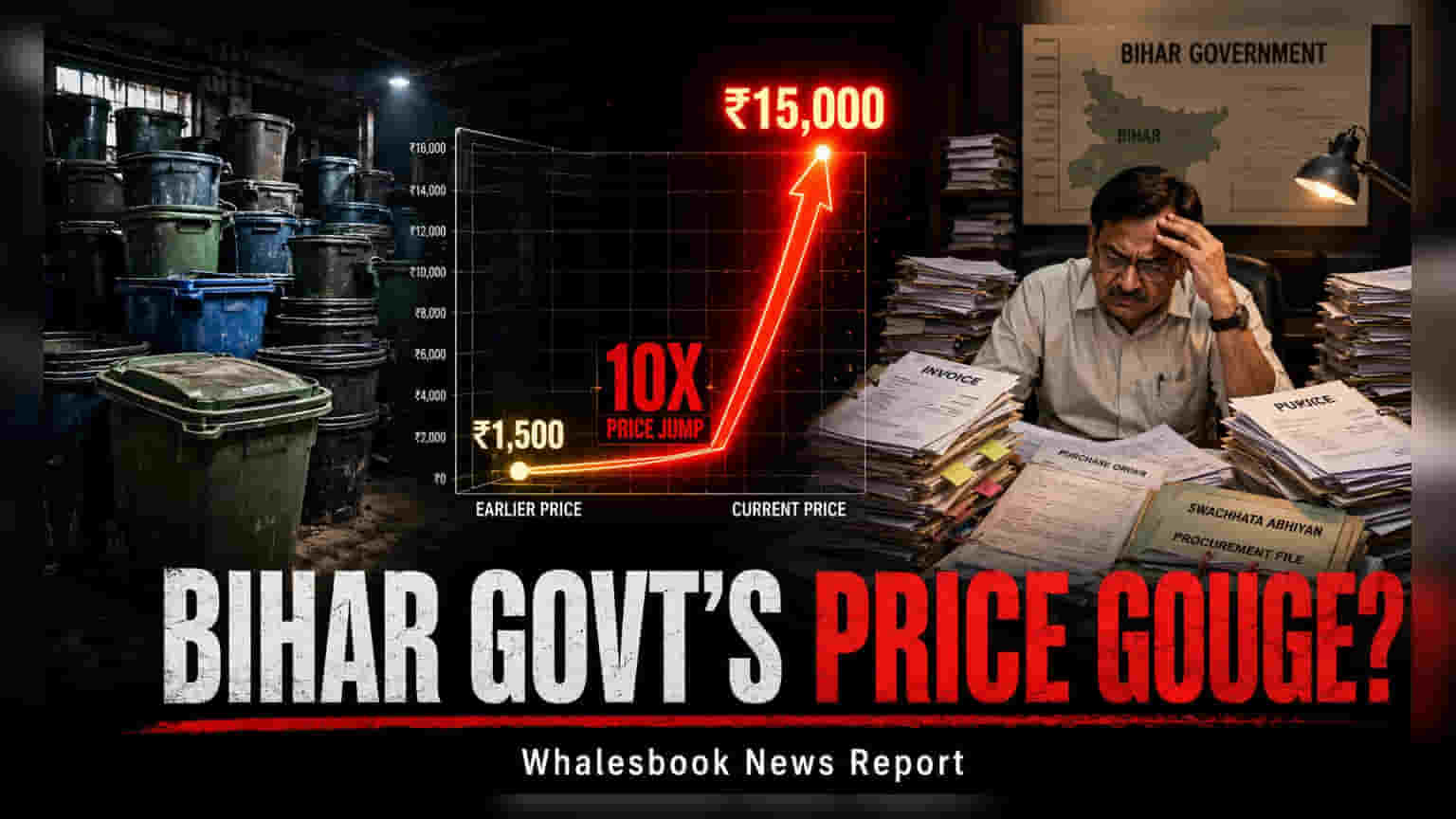
The Bihar health department is facing allegations regarding the purchase of dustbins at a price of ₹15,450 each, significantly higher than the estimated market rate of ₹1,500. Political leaders have demanded transparency, and the ruling party has suggested an audit by the Comptroller and Auditor General (CAG). This issue pertains to public procurement and fiscal governance.
The Bihar state health department has become the center of a public procurement controversy following allegations of inflated spending on dustbins. Reports indicate that the department procured these items at a cost of ₹15,450 per unit, while industry estimates suggest a market price ranging from ₹1,200 to ₹1,500. These transactions reportedly took place during the term of former health minister Mangal Pandey, utilizing funds from the state’s medicine procurement budget.
Allegations and Political Response
The issue gained attention after opposition leader Rohini Acharya publicly questioned the procurement process on social media. She challenged the government, specifically Deputy Chief Minister Samrat Choudhary and former health minister Mangal Pandey, regarding the rationale behind the high price. The opposition has labeled the incident as a failure in financial oversight, raising concerns about how public funds are utilized for routine administrative supplies.
In response to these allegations, the ruling Janata Dal (United) party, represented by chief spokesperson Neeraj Kumar, has addressed the concerns by suggesting an official review. The party proposed that the Comptroller and Auditor General of India (CAG) is the appropriate body to examine the procurement receipts and bills to determine if any irregularities occurred. The ruling party also noted that the Public Accounts Committee of the Bihar Assembly, currently led by an opposition MLA, has the authority to investigate the matter.
Governance and Administrative Context
This development is purely an administrative and political matter concerning state government procurement and fiscal transparency. There are no publicly traded companies, stock market entities, or listed corporations involved in this event. For those following public governance, the key monitorable remains the potential for a formal investigation by the CAG or other regulatory bodies.
Investors and observers of public finance often track such incidents to understand the broader implications of government procurement policies. Issues of this nature highlight the risks associated with public sector spending, particularly the importance of rigorous tendering processes to ensure competitive pricing and fiscal discipline. The next important update to watch will be whether an official audit is formally commissioned and the subsequent findings regarding the procurement documentation.