

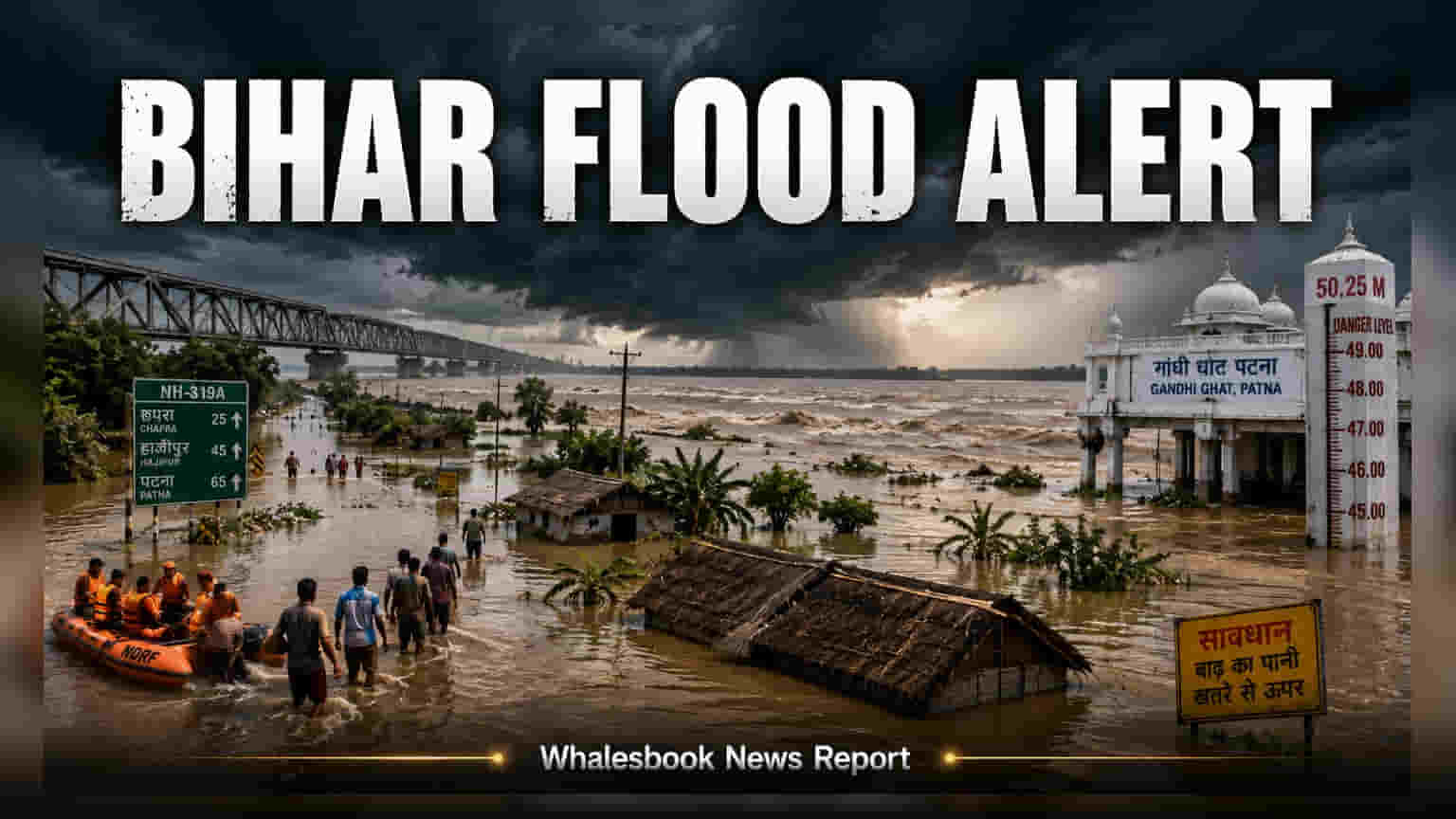
Bihar is facing a critical flood situation as the Ganga and multiple other rivers have surged above danger levels across 13 districts. The rising waters threaten standing crops and rural infrastructure, causing logistical and power disruptions. Authorities have deployed emergency teams to manage evacuations and protect embankments.
The flood situation in Bihar has reached a critical stage as the Ganga River, along with other major rivers like the Son, Punpun, Kosi, and Gandak, have surged above their danger marks. Official reports indicate that 13 districts are currently under threat, with eight regions, including Patna, Bhojpur, Saran, Vaishali, Nalanda, Begusarai, Lakhisarai, and Jehanabad, facing the most significant impact. At Patna’s Gandhi Ghat, water levels have reached 50.25 metres, placing them well above the danger threshold and raising concerns about potential breaches of the highest flood levels recorded in the region.
The economic impact of this hydrological event is becoming increasingly evident, particularly in the agricultural sector. The flooding has submerged vast tracts of 'diara' or riverine areas, which are primary zones for maize and vegetable cultivation. Farmers are facing potential losses of standing crops, which could affect local supply chains and agricultural output in the coming weeks. The damage to these crops is a key area for state authorities to assess as the flood waters recede.
Infrastructure and logistics are also facing significant pressure. Several sections of road networks, including parts of National Highway 319A, have been affected, leading to localized transport disruptions. In rural pockets, power infrastructure has been compromised, isolating villages and creating temporary shortages of essential services. These disruptions can impact the movement of goods and the reliability of essential services in the affected districts.
To mitigate these risks, the state government has mobilized the National Disaster Response Force (NDRF) and the State Disaster Response Force (SDRF) to oversee evacuation protocols and fortify river embankments. High-level review meetings are underway to manage the distribution of essential supplies such as food, medical kits, and clean drinking water to displaced populations. The release of large volumes of water from barrages, such as the Indrapuri Barrage, is being managed to control the outflow, but the situation remains fluid.
Moving forward, the primary monitorables for the region include the evolution of weather patterns, the pace of water recession at key monitoring points like Gandhi Ghat and Hathidah, and the extent of infrastructure repair required once the water levels stabilize. Assessments of agricultural damage will also be critical for understanding the medium-term impact on the local economy.