

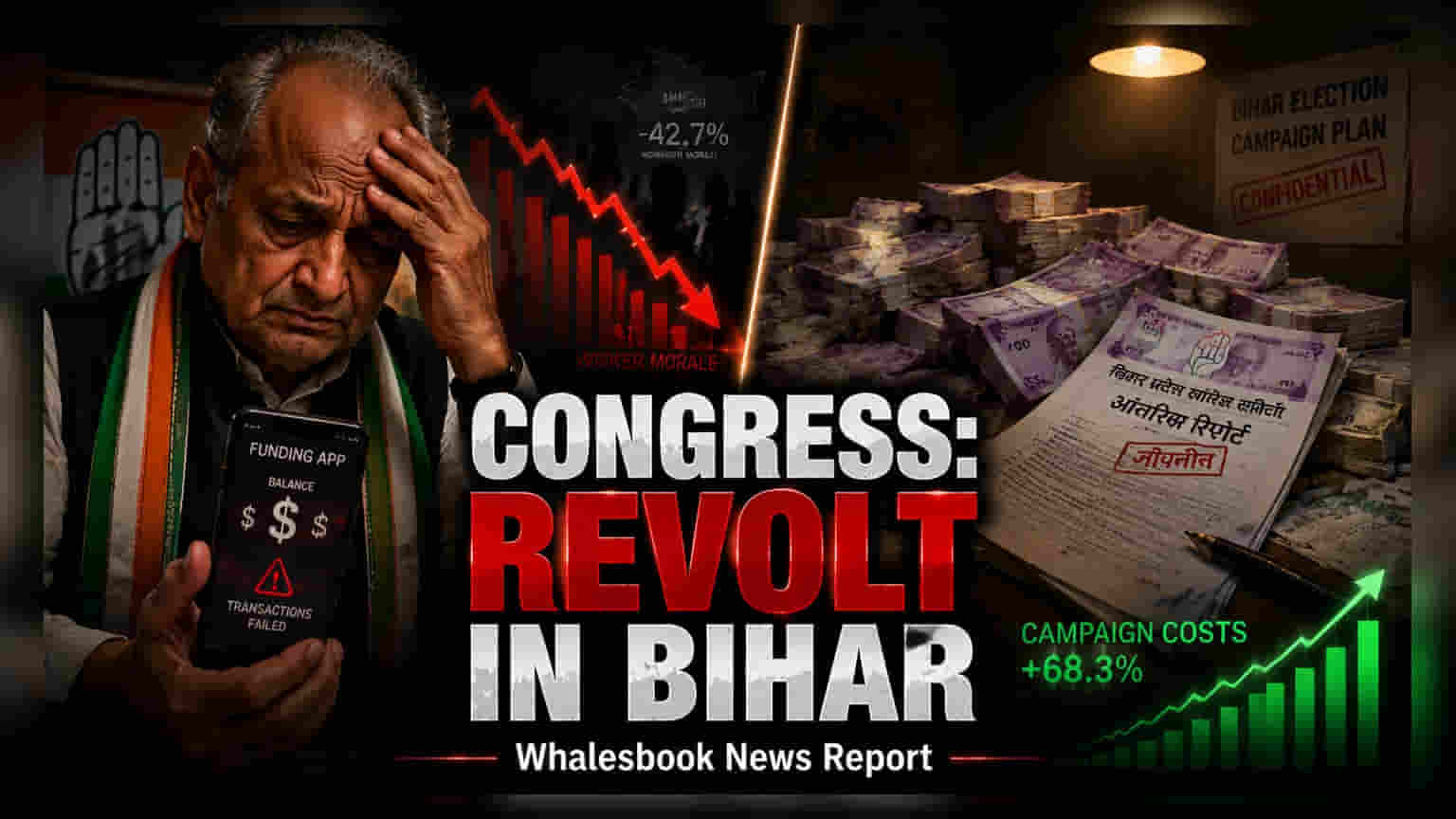
The Congress party's 'Sangathan Srijan Sathi' membership drive in Bihar is facing backlash from senior leaders over allegations that party positions are being sold. Critics argue the new digital system links leadership roles to financial contributions, creating internal dissent. The party's national leadership is observing this pilot program to decide on a potential nationwide rollout.
The Indian National Congress is currently navigating a significant internal dispute in Bihar, where its 'Sangathan Srijan Sathi' membership initiative has triggered backlash from party veterans. The program, which moved the membership process to a digital-only mobile application model, aims to build a centralized database and increase grassroots participation. However, the move has caused friction over how the party selects its office-bearers.
The Mechanics of the Membership Drive
Launched in April, the initiative requires party workers to enroll a specific number of new members to qualify for leadership roles. The requirements are performance-based, ranging from 200 members for a block-level post to 3,000 members for a Vice President position. Each membership costs ₹50. While the state leadership frames this as a way to reward grassroots activity and bypass traditional lobbying, dissenting leaders allege that the system forces aspirants to pay significant amounts of their own money to secure these designations. Some critics claim that an aspirant might spend approximately ₹1.5 lakh to reach targets for district-level roles.
Allegations and Internal Dissent
Internal opposition has grown as veteran leaders accuse the system of prioritizing financial capacity over ideological commitment or past service. These critics have expressed concerns that the model encourages an influx of members who may not have a long-term connection to the party's values. There are also concerns among dissidents regarding the potential for organizational infiltration by individuals from rival parties who may exploit the digital enrollment process. The situation has intensified to the point where some local leaders have reportedly directed their supporters to abstain from the drive, and public criticism has been directed toward Bihar Congress in-charge Krishna Allavaru and state president Rajesh Ram.
Leadership Perspective and Future Outlook
Despite the friction, Bihar Congress president Rajesh Ram maintains that the program is a vital restructuring effort supported by central leadership. According to the state unit, the drive has already enrolled over 300,000 members and is roughly 70% complete. The party emphasizes that the new data shows a demographic shift, with significant participation from OBC, EBC, and tribal communities, and nearly 40% of new sign-ups falling into the youth category.
As the program serves as a pilot project for a potential national organizational model, the way the party addresses these allegations of financial influence will likely be a key monitorable. The immediate focus for observers will be on how the high command in Delhi manages the mounting dissent and whether the current criteria for party appointments undergo any modifications to address concerns about the integrity of the selection process.