

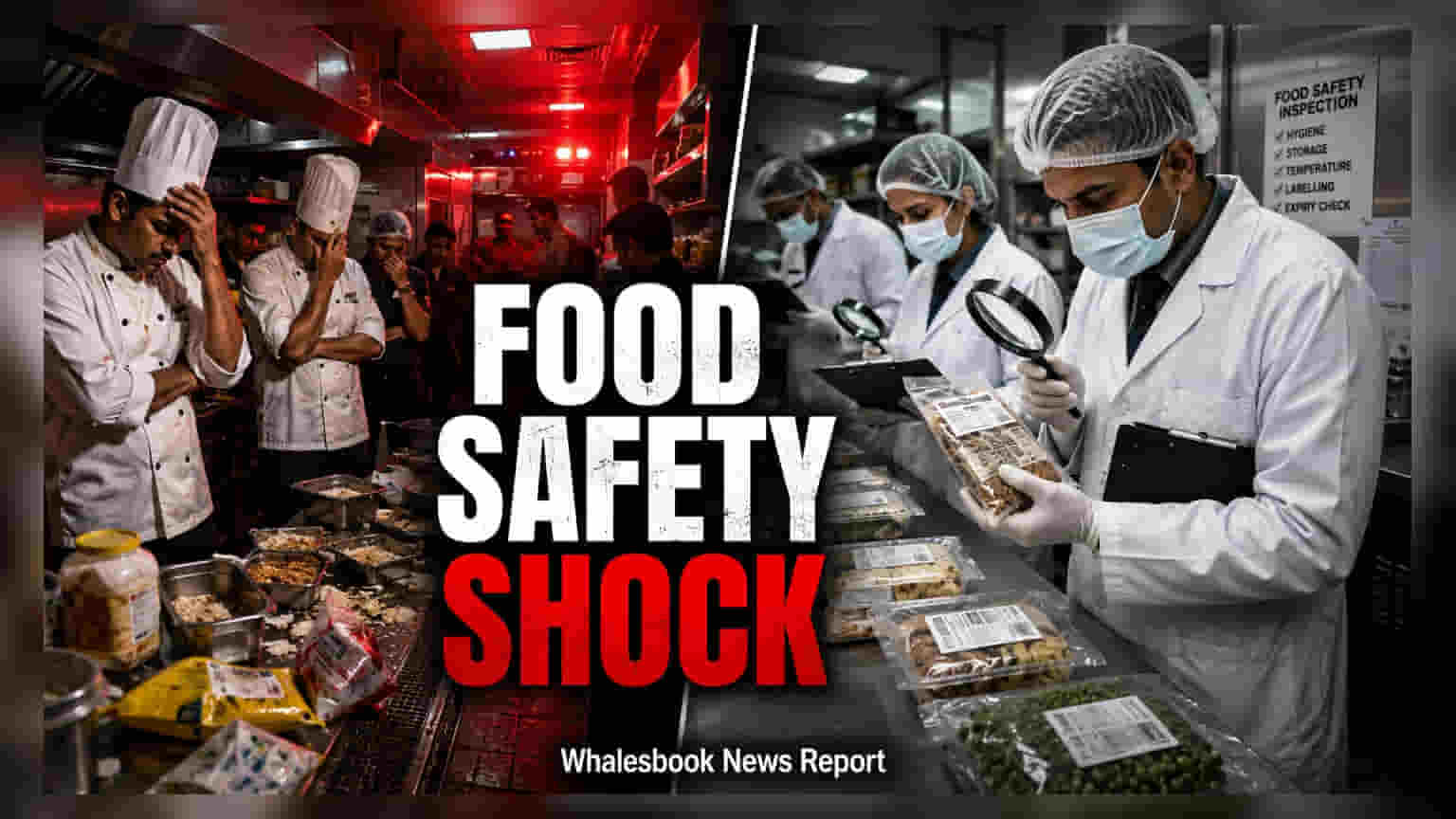
Karnataka authorities seized 1,089 kg of unsafe food during a three-day inspection drive across 60 luxury hotels in Bengaluru. The enforcement campaign, which included the closure of several premium kitchen facilities, highlights growing regulatory scrutiny on hygiene standards. Investors may monitor potential impacts on brand reputation and the rising cost of compliance for hospitality and food service operators.
The Karnataka Food Safety and Drug Administration has concluded a rigorous three-day enforcement campaign targeting food hygiene and safety standards across 60 three-star and five-star hotels in Bengaluru. Initiated by Health Minister UT Khader, the drive resulted in the seizure and destruction of 1,089 kg of food products. Inspectors identified multiple violations, including the storage of expired items, improper labeling, and unhygienic preparation practices.
Kitchen Closures and Enforcement
The inspection teams, comprising 30 special units, focused on identifying lapses in food storage and cleanliness. Several prominent establishments faced immediate operational action due to severe hygiene failures. Kitchens at locations such as Skyye Lounge and Hotel Sky in UB City were temporarily shut down following the discovery of critical violations, including the presence of fungal-infected meat and expired dairy products. Pegs & Bottles also faced similar enforcement actions. In addition to these closures, the authorities have issued notices to several other hotels, with legal proceedings and adjudication recommended for the identified non-compliances.
Broader Sector Scrutiny
While the primary focus was on premium hotels, the drive also extended to major international food chains, including outlets of KFC, McDonald's, and Subway. The department collected 77 food samples from these and other inspected establishments to undergo laboratory analysis. The results of these tests will determine further regulatory actions under the Food Safety and Standards Act, 2006. This systematic enforcement reflects a broader trend of state regulators tightening surveillance on the hospitality and food service sectors to ensure consumer safety.
Investor and Business Perspective
For investors in the hospitality and restaurant sector, incidents involving food safety standards pose significant risks. Brand equity in the premium dining space is closely tied to trust and quality. Any reports of hygiene failures or regulatory closures can lead to immediate reputational damage, potentially impacting footfall and revenue in the short term. Furthermore, heightened regulatory activity often leads to increased compliance costs, as operators may need to invest more in quality control, inventory management, and facility upgrades to meet stricter standards. Investors and stakeholders should track the outcomes of the ongoing laboratory tests, as any confirmed violations could lead to further penalties or extended operational restrictions for the affected outlets.